Rewire Your Brain for Recovery with CBT
Recovery from addiction is not a single event, but a profound, ongoing journey. It’s a path paved with courage, new discoveries, and, at times, significant challenges. One of the most daunting of these challenges is the fear of relapse, a shadow that can linger long after the decision to change has been made. But what if you had a map, a toolkit, and a guide to navigate that path with more confidence? This is precisely what Cognitive Behavioural Therapy, or CBT, offers, providing a structured, evidence-based framework to not just stop using a substance, but to fundamentally change your relationship with the thoughts and feelings that drive you towards it. It’s about building a new life, one where you are in control.
This isn’t about willpower alone. It’s about skillpower. It’s about understanding the intricate wiring of your own mind and learning how to rewire it for lasting health and resilience. This comprehensive guide will illuminate the principles of CBT for relapse prevention, transforming abstract psychological concepts into practical, life-saving tools you can begin to understand and apply.

What Exactly is Cognitive Behavioural Therapy?
Cognitive Behavioural Therapy is a highly effective and widely respected form of psychological treatment, or talk therapy. At its core, CBT operates on the fundamental idea that our thoughts, feelings, and behaviours are all interconnected, and that by changing our negative or unhelpful thought patterns, we can change how we feel and what we do. It’s a practical, hands-on approach to problem-solving.
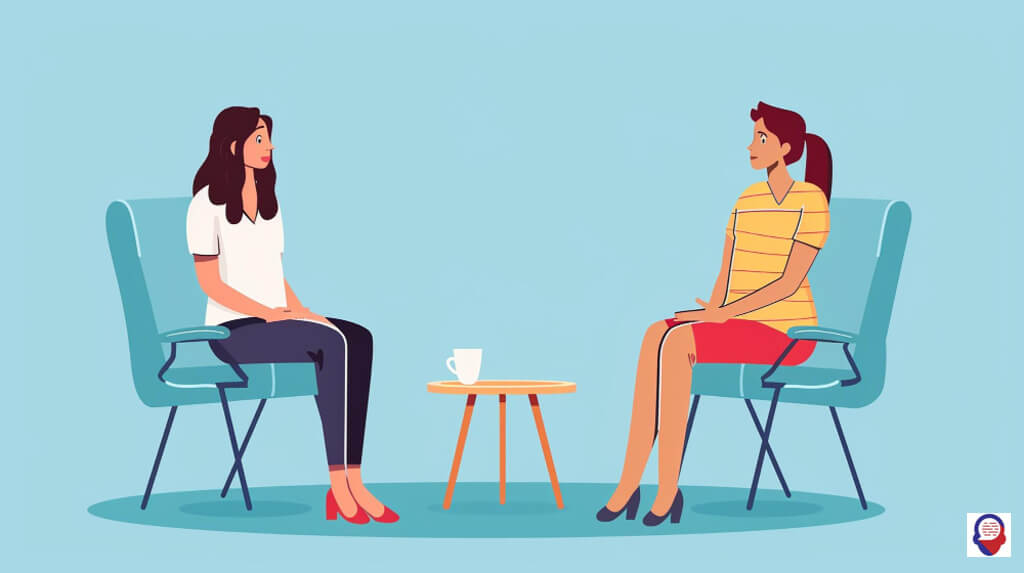
Unlike some other forms of therapy that delve deep into the distant past to find the roots of a problem, CBT focuses squarely on the here and now. It helps you identify the specific challenges you are facing today and equips you with concrete skills to handle them differently. The process is collaborative, with you and your therapist working together as a team to set goals, identify obstacles, and develop strategies for overcoming them. It is an active, goal-oriented therapy designed to empower you with the tools for self-sufficiency.

How Does CBT Specifically Address Relapse Prevention?
CBT for relapse prevention applies these core principles directly to the challenges of maintaining sobriety, equipping you with practical skills to recognise and manage high-risk situations, cravings, and triggers before they escalate into a lapse. It shifts the focus from simply "not using" to actively building a life that is so fulfilling and manageable that the old substance-use coping mechanisms become obsolete.
This specialised form of CBT acts like a personal training program for your brain. It strengthens your ability to anticipate difficult scenarios and prepares you with a robust set of responses. Instead of being caught off guard by a sudden craving or a stressful event, you learn to see them coming and deploy a pre-planned, healthy coping strategy. It’s about moving from a reactive state of crisis management to a proactive state of confident self-management.

What Are High-Risk Situations?
High-risk situations are any internal states or external circumstances that increase the probability that you might return to substance use. These are the specific moments, feelings, places, or interactions that test your resolve and trigger the well-worn neural pathways of addiction.
Recognising these situations is the first, crucial step in preventing a relapse. They can be surprisingly varied and are unique to each individual. External situations might include being at a party where others are using, having a difficult conversation with a family member, or even just driving past a place where you used to buy or use your substance of choice. Internal situations are just as powerful and can include feeling intense stress, anxiety, boredom, loneliness, or even extreme happiness and a desire to celebrate. CBT helps you create a detailed inventory of your personal high-risk situations so you are no longer ambushed by them.

Can It Help Me Understand My Triggers?
Yes, a central and transformative component of CBT is helping you become a detective of your own mind, meticulously identifying the specific people, places, feelings, and thoughts that act as triggers for your substance use. This process, often called a functional analysis, is about understanding the entire chain of events.
It’s not just about knowing that stress makes you want to use. It’s about drilling down into the specifics. What kind of stress? Is it work stress or relationship stress? What are the exact thoughts that run through your head in that moment? What feelings accompany those thoughts? What happens right before the craving hits its peak? By mapping out this sequence, from trigger to thought to feeling to craving to action, you can identify multiple points where you can intervene and choose a different path. This detailed understanding demystifies the process of addiction, turning a seemingly overwhelming urge into a predictable and manageable pattern.

How Does CBT Change My Thinking?
CBT teaches you the powerful skill of cognitive restructuring, which is a methodical process for catching, challenging, and changing the automatic negative thoughts and permissive beliefs that pave the way for relapse. It helps you see these thoughts not as absolute truths, but as learned habits of thinking that can be unlearned and replaced.
Many people struggling with addiction have a well-rehearsed internal script that justifies returning to use. These "permissive beliefs" sound logical in the moment, such as "I’ve had a terrible day, I deserve this," or "Just one won’t hurt," or "I’ve already slipped up, so I might as well keep going." CBT helps you put these thoughts on trial. You learn to question the evidence for them, look for alternative perspectives, and analyse the true cost of believing them. Over time, you replace this self-sabotaging inner voice with a more rational, compassionate, and recovery-focused one.
What Practical Skills Will I Learn in CBT for Relapse Prevention?

You will learn an entire toolkit of practical coping strategies, enhanced communication skills, and effective problem-solving techniques designed to help you navigate life’s inevitable challenges without resorting to substances. This is the "behavioural" part of Cognitive Behavioural Therapy, where new ways of thinking are translated into new ways of acting in the world.
These are not just abstract concepts, they are tangible skills that you practice both in and out of your therapy sessions. You might learn specific relaxation techniques to manage anxiety, or a step-by-step method for breaking down an overwhelming problem into smaller, more manageable parts. The goal is to build a broad and flexible repertoire of healthy responses, so that for every high-risk situation you identified, you have several effective, non-substance-based solutions ready to deploy.

How Do I Manage Cravings?
CBT provides a range of proven techniques like "urge surfing," strategic distraction, and directly challenging the thoughts associated with the craving, all of which help you to tolerate the discomfort of an urge until it naturally subsides. It teaches you that cravings, while intensely uncomfortable, are temporary and do not have to be acted upon.
Urge surfing is a mindfulness-based technique where you learn to observe your craving without judgment. You imagine it as a wave in the ocean, noticing how it builds in intensity, peaks, and then eventually crashes and recedes on its own. Instead of fighting it or giving in to it, you simply ride it out. Distraction techniques involve immediately engaging your mind and body in a healthy, absorbing activity, like calling a supportive friend, going for a brisk walk, listening to loud music, or working on a hobby. This redirects your focus away from the craving until its power diminishes.

What About Handling Stress and Difficult Emotions?
Instead of using substances as a way to numb or escape from difficult feelings, CBT teaches you healthier and more sustainable strategies like mindfulness, relaxation exercises, and structured problem-solving to manage emotional distress effectively. It helps you build emotional tolerance and resilience from the inside out.
You might learn simple but powerful deep-breathing exercises that can quickly calm your nervous system in moments of high stress or panic. Progressive muscle relaxation, which involves tensing and then relaxing different muscle groups, can release physical tension that often accompanies emotional distress. For larger life problems that cause chronic stress, CBT offers a clear, step-by-step problem-solving framework: clearly define the problem, brainstorm multiple potential solutions, weigh the pros and cons of each, choose one to implement, and then evaluate the outcome. This fosters a sense of agency and competence.
Can CBT Improve My Relationships?
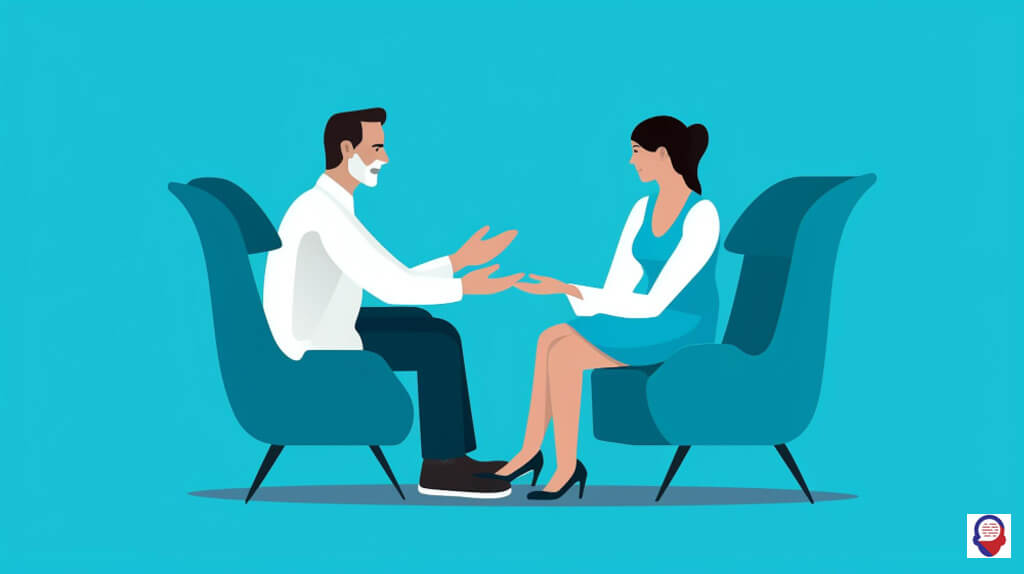
Absolutely, as a significant part of CBT for relapse prevention focuses on helping you develop stronger communication and assertiveness skills, which enables you to set healthy boundaries and navigate social situations with much more confidence. Poor communication and relationship conflict are very common triggers for relapse, and improving these areas can dramatically strengthen your recovery.
You will learn and practice how to express your needs and feelings clearly and respectfully. A key skill is learning how to be assertive, particularly when it comes to refusing offers of drugs or alcohol. This involves learning how to say "no" firmly but politely, without feeling guilty or needing to over-explain yourself. By improving your ability to communicate effectively, you can reduce interpersonal stress, build a more supportive social network, and feel more in control in social settings that were previously high-risk.

What Does a Typical CBT Session for Relapse Prevention Look Like?
A typical CBT session is a structured, collaborative meeting that usually involves setting a clear agenda, reviewing your progress and challenges from the previous week, learning and practising a new coping skill, and creating a concrete plan to apply that skill in your daily life. It is an active, engaging process, not a passive one.
Each session begins with a brief check-in on your mood and any significant events, including any cravings or high-risk situations you encountered. You and your therapist will then agree on the main topics for the session. A large portion of the time is spent reviewing your "homework" or "action plan" from the week before, discussing what went well and what was difficult. The therapist will then introduce a new concept or skill, like cognitive restructuring or an assertiveness technique, and you will often practice it together in the session through discussion or role-playing. The session concludes with you and your therapist developing a new action plan for you to work on before your next meeting.

Is CBT a “Cure” for Addiction?
No, it is important to understand that CBT is not a "cure" for addiction in the way an antibiotic cures an infection. Rather, it is a highly effective management tool that empowers you with the knowledge and skills to take control of your recovery journey and significantly reduce the risk of relapse over the long term.
It is more helpful to think of addiction as a chronic condition, much like diabetes or high blood pressure. These conditions cannot be cured, but they can be successfully managed for a lifetime with the right tools, lifestyle changes, and ongoing support. CBT provides the essential psychological tools and lifestyle strategies for managing the chronic condition of addiction. Recovery is a lifelong process of growth and self-awareness, and CBT provides a durable foundation and a reliable compass for that journey.

How Can I Make the Most of CBT?

To get the absolute most out of your CBT experience, it is essential that you commit to being an active participant in your own recovery, that you are completely honest with your therapist, and that you diligently practice the skills you are learning between your sessions. Your level of engagement directly correlates with your level of success.
Therapy is not something that is "done to you," it is something you "do." You are the expert on your own life, thoughts, and feelings. Your therapist is an expert on the tools and strategies of CBT. By working together in an open and active partnership, you can achieve remarkable results. Think of your therapist as a coach, they can teach you the plays and run drills with you, but you are the one who has to get on the field and execute them during the game of life.

Why is Honesty So Important?
Complete honesty is the bedrock of effective therapy because it allows your therapist to accurately understand your unique challenges, triggers, and thought patterns, which in turn allows them to tailor the strategies directly to your specific needs. Without all the facts, your therapist is working with an incomplete picture, which makes the therapy far less effective.
This includes being honest about your cravings, your successes, and especially your struggles or lapses. There is no judgment in the therapy room, only a shared goal of helping you get better. Hiding information out of shame or fear only hinders your own progress. The more open you are, the more precisely your therapist can help you target the core issues that are holding you back, leading to faster and more sustainable progress.

What if I Have a Lapse?
If you have a lapse, which is a single instance of returning to substance use, it is absolutely crucial to view it as a learning opportunity and not as a catastrophic failure, and to discuss it openly and honestly in your next CBT session. The goal is to analyse what happened so you can prevent it from happening again.
A common pitfall is something called the Abstinence Violation Effect (AVE). This is where a single lapse triggers intense feelings of guilt, shame, and hopelessness, leading to the thought, "I’ve blown it now, so I might as well give up completely." This all-or-nothing thinking is a cognitive distortion that turns a minor slip into a full-blown relapse. CBT helps you directly challenge this thinking. You and your therapist can dissect the events leading up to the lapse, identify the trigger you missed or the coping skill you didn’t use, and create a stronger plan for the next time you face a similar situation. A lapse is simply data, it’s a sign that a part of your recovery plan needs strengthening, not that you have failed.

Does “Homework” Really Matter?
Yes, the "homework," more accurately called an action plan or practice assignment, is arguably the most critical part of the entire CBT process. These assignments are what bridge the gap between the insights you gain in the therapy room and the reality of your daily life, allowing you to actively practice and master your new skills in the real world.
Therapy for one hour a week is helpful, but the other 167 hours are where recovery truly happens. The action plans are designed to help you apply what you are learning in those hours. This might involve keeping a thought record, intentionally facing a low-risk situation to practice a coping skill, or initiating a difficult conversation using new communication techniques. Consistent practice is what turns new skills from awkward, conscious efforts into automatic, natural habits. It is through this real-world application that lasting change is forged.
Frequently Asked Questions

How long does CBT for relapse prevention take? The duration of CBT is goal-oriented and can vary depending on individual needs, but it is generally considered a short-term therapy. A typical course might range from 12 to 24 weekly sessions, with each session lasting about 50 minutes. The focus is on equipping you with the necessary skills efficiently so you can become your own therapist.

Is CBT effective for all types of addiction? Yes, CBT has been extensively researched and has demonstrated strong effectiveness across a wide range of substance use disorders, including alcohol, cocaine, cannabis, opiates, and methamphetamine. It is also highly effective for behavioural addictions like gambling. Its principles of changing thoughts and behaviours are universally applicable.

Can I do CBT on my own without a therapist? While there are many excellent self-help books and resources based on CBT principles, working with a trained therapist is highly recommended, especially for addiction. A therapist provides crucial guidance, accountability, and personalised feedback that is difficult to replicate on your own. They can help you identify blind spots and navigate the more challenging emotional aspects of recovery in a safe, supportive environment.

What’s the difference between a lapse and a relapse? A lapse is a single, isolated instance of returning to substance use after a period of abstinence. A relapse is a full return to the previous pattern of uncontrolled substance use. A key goal in CBT is to learn how to manage a lapse effectively to prevent it from turning into a relapse, viewing it as a signal to reassess and strengthen your recovery plan rather than as a total failure.

Your journey to a stronger, more resilient recovery is one of the most important you will ever take. You do not have to walk it alone.
At Counselling-uk, we understand the courage it takes to seek help and the complexities of building a new life free from addiction. We are a safe, confidential, and professional place to get advice and help with mental health issues, offering support for all of life’s challenges. Our dedicated therapists are experts in evidence-based approaches like CBT, ready to provide you with the personalised tools and compassionate support you need to navigate your path to lasting change.
Reach out to us today. Let’s work together to build the future you deserve.