Find Your Freedom: A Guide to ACT for Addiction
The battle with addiction can feel like being caught in a relentless storm. You are tossed by waves of cravings, pulled under by currents of guilt, and blinded by the spray of shame. You fight, you struggle, you exhaust every ounce of your strength just trying to keep your head above water. But what if the secret wasn’t to fight the storm harder? What if, instead, you could learn to navigate it? This is the promise of Acceptance and Commitment Therapy, or ACT, a powerful approach that offers not a cure in the traditional sense, but something far more profound, a way to build a rich, meaningful life, even in the presence of the storm.
ACT is a different kind of map for recovery. It doesn’t ask you to eliminate painful thoughts or eradicate every craving. Instead, it teaches you how to change your relationship with them. It’s about creating space, unhooking from the struggle, and moving towards what truly matters to you. This is a journey from resistance to acceptance, from entanglement to freedom, and from a life defined by addiction to one guided by your deepest values.

What Is Acceptance and Commitment Therapy?
Acceptance and Commitment Therapy, known as ACT, is a form of psychotherapy that helps you stop avoiding, denying, and struggling with your inner emotions. It encourages you to accept these deeper feelings as appropriate responses to certain situations, which in turn should help you to accept them and move forward with your life. It combines mindfulness skills with self-acceptance and value-driven action to promote what is known as psychological flexibility.

How is ACT different from other therapies?
Unlike many traditional therapies that focus on changing or eliminating negative thoughts and feelings, ACT operates from a different premise. It suggests that pain and discomfort are unavoidable parts of the human experience and that fighting them often makes them stronger and more persistent. Instead of trying to win an unwinnable war against your own mind, ACT teaches you how to let go of the struggle and change your focus.
The therapy isn’t about feeling good, it’s about living well. It helps you develop the skills to handle painful thoughts and feelings effectively, in a way that they have much less impact and influence over you. This frees you up to invest your energy not in suppression, but in building a life that you find truly meaningful and worthwhile, guided by your own chosen values.

What is the main goal of ACT for addiction?
The primary goal of ACT for addiction is to increase your psychological flexibility. This is the ability to connect with the present moment fully, as a conscious human being, and to change or persist in behaviour when doing so serves your valued ends. In simpler terms, it’s about learning to make choices based on what you care about, rather than being driven by cravings, urges, or the desire to escape discomfort.
For someone struggling with addiction, this means learning to sit with the urge to use, without acting on it. It means noticing the thought "I need a drink" without getting hooked by it. The ultimate aim is not just sobriety, but vitality. It’s about creating a life so rich and meaningful that substances or addictive behaviours lose their power and appeal.

How Does ACT View Addiction?
ACT views addiction as a problem of experiential avoidance, where a person becomes entangled in a self-defeating struggle to control or eliminate unwanted private experiences like cravings, painful memories, and difficult emotions. This struggle, paradoxically, is what fuels the addictive cycle. The substance or behaviour becomes the go-to solution for getting rid of this internal discomfort, but it’s a solution that ultimately creates far more suffering.
From an ACT perspective, the issue isn’t the craving itself, but your relationship to that craving. The problem isn’t the feeling of anxiety, but the desperate, and often destructive, things you do to avoid feeling anxious. Addiction is seen as a narrow, rigid pattern of behaviour driven by the need to escape, a pattern that disconnects you from your values and the present moment.

Why does fighting cravings sometimes make them stronger?
Fighting a craving is like trying to hold a beach ball underwater. The harder you push it down, the more forcefully it pops back up, often at an unexpected moment and with surprising strength. When you tell yourself, "I must not think about using," your brain, in order to process that command, has to first think about using. You are actively keeping the craving at the forefront of your mind.
This internal battle consumes enormous mental and emotional energy. It creates a state of tension and vigilance where you are constantly on guard against your own thoughts. This struggle itself is stressful, which can, in a cruel twist, become another trigger for the very craving you are trying to suppress. ACT suggests that by dropping the rope in this tug-of-war, the craving has less to pull against and its power diminishes.

What is the “experiential avoidance” trap?
Experiential avoidance is the attempt to avoid thoughts, feelings, memories, and physical sensations, even when doing so creates long-term harm. It’s the trap of believing that you cannot have a good life until you get rid of all your bad feelings. For someone with an addiction, this trap is baited with the promise of immediate relief.

Feeling bored? Use a substance. Feeling stressed? Engage in the behaviour. Feeling shame about past use? Use again to numb the shame. Each act of avoidance provides a temporary escape, reinforcing the idea that the substance or behaviour is the solution. Over time, your world shrinks. You start avoiding people, places, and activities that might trigger discomfort, until your life is organised around one central mission, avoiding pain. This is the heart of the trap, you sacrifice a meaningful life for the illusion of a comfortable one.

What Are the Six Core Processes of ACT?
ACT is built upon six core therapeutic processes that work together to increase psychological flexibility. These processes are often visualized as the points of a hexagon, known as the "Hexaflex," to show that they are all interconnected and mutually reinforcing. They are Acceptance, Cognitive Defusion, Being Present, Self-as-Context, Values, and Committed Action. Mastering these skills allows you to fundamentally change your relationship with addiction.
These are not just abstract concepts, they are practical skills you learn and practice. They are the tools you use to stop fighting the storm and start navigating it. Each process addresses a different aspect of the struggle, from how you relate to your thoughts to how you connect with your life’s purpose. Together, they form a comprehensive framework for building a resilient and value-driven recovery.

What is Acceptance?
Acceptance in ACT means actively and willingly making room for uncomfortable thoughts, feelings, and sensations, without trying to change them or push them away. It is not resignation or defeat, nor does it mean you have to like the feeling. It is a compassionate and courageous choice to allow your inner experience to be what it is, right here and right now.
Think of a craving as a wave in the ocean. Acceptance is learning to surf that wave rather than trying to stop the ocean itself. You acknowledge its presence, feel its power, and ride it until it naturally subsides, all without being swept away. It’s about opening up to your reality, dropping the internal struggle, and freeing up your energy for more important things.

How can you practice acceptance with difficult feelings?
You can practice acceptance by first noticing and naming the feeling without judgment, for example, saying to yourself, "Here is a feeling of anxiety," or "I am noticing a strong urge to use." Then, you can observe where you feel it in your body. Does your chest feel tight? Is your stomach in a knot? Breathe into that physical sensation, not to make it go away, but to make space for it.
Another powerful practice is to imagine the feeling as an object, giving it a shape, size, and colour. You can then imagine holding it gently or allowing it to sit beside you. The goal is to shift from being inside the feeling to observing it with curiosity. This creates a small but crucial separation, reminding you that you are more than your feelings, you are the container that holds them.

What is Cognitive Defusion?
Cognitive Defusion is the process of separating from your thoughts, allowing you to see them for what they are, just words, images, and sounds passing through your mind. It is about learning not to take your thoughts so literally or treat them as absolute truths or direct commands. Your mind will generate all sorts of content, especially in recovery, but you don’t have to believe everything it says or let it dictate your actions.
Imagine your mind is like a radio that’s always on, sometimes playing helpful news reports and other times playing junk advertisements or scary stories. Defusion is realizing you are the listener, not the radio itself. You can notice the broadcast, "You can’t handle this craving," without having to buy into the story or follow its advice. It’s about unhooking your sense of self from the chatter of your mind.

What are some simple defusion techniques?
One simple technique is to rephrase your thoughts by adding the prefix, "I’m having the thought that…" So instead of, "I am a failure," you practice thinking, "I’m having the thought that I am a failure." This small change creates immediate distance and highlights that the thought is a mental event, not a fact about you.
Other techniques can be more playful. You could try singing a difficult thought to the tune of "Happy Birthday," which can quickly strip it of its power and seriousness. You could also visualize the thought written on a leaf, floating down a stream and away from you. The aim of these exercises is not to get rid of the thought, but to change your relationship with it so it no longer holds you captive.
What is Being Present?
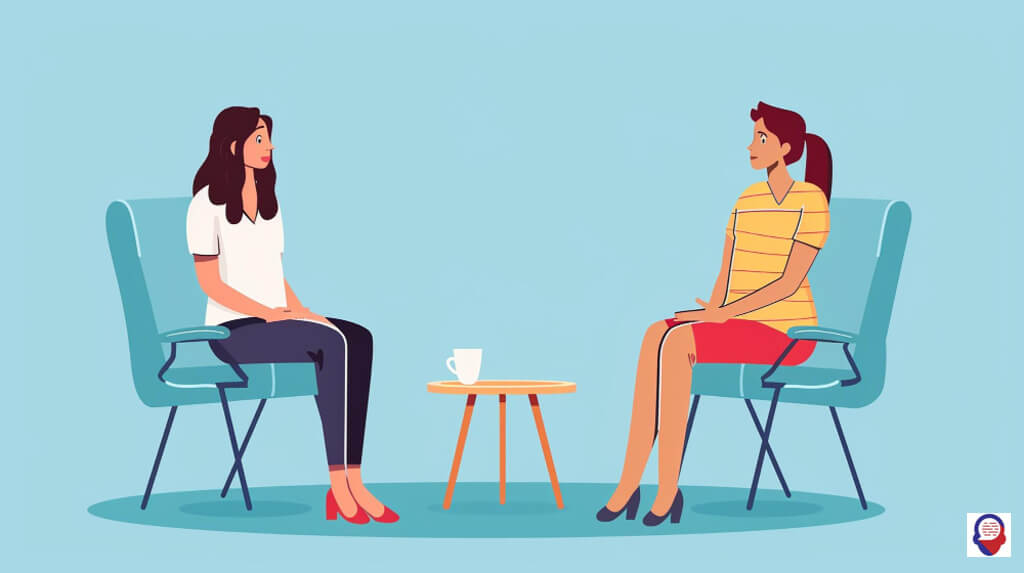
Being present, often practiced through mindfulness, is the skill of bringing your full awareness to the here and now, with openness and curiosity. Addiction often pulls you out of the present moment. You might be lost in regrets about the past or consumed by anxieties about the future. Being present is about consciously returning your attention to your immediate experience, to what you can see, hear, taste, touch, and smell.

This is a crucial skill for recovery because cravings and difficult emotions only exist in the present moment. By learning to stay grounded in the present, you can observe these experiences as they arise and pass, without getting swept away by the stories your mind tells about them. It allows you to connect with your life as it is actually happening, not as your mind narrates it.

How does mindfulness help with addiction recovery?
Mindfulness helps by training your attention. A simple practice is to focus on your breath, noticing the sensation of the air entering and leaving your body. When your mind wanders, which it will, you gently and without judgment guide it back to your breath. This simple act is like a bicep curl for your attention muscle.
In recovery, this strengthened attention allows you to notice a craving when it is just a spark, before it becomes a raging fire. It gives you a moment of choice, a pause between the urge and the action. In that pause, you can choose to engage with the present moment, perhaps by noticing five things you can see or feeling your feet on the floor, rather than automatically reaching for a substance. It anchors you in reality when your mind wants to pull you into an old, destructive habit.
What is Self-as-Context?
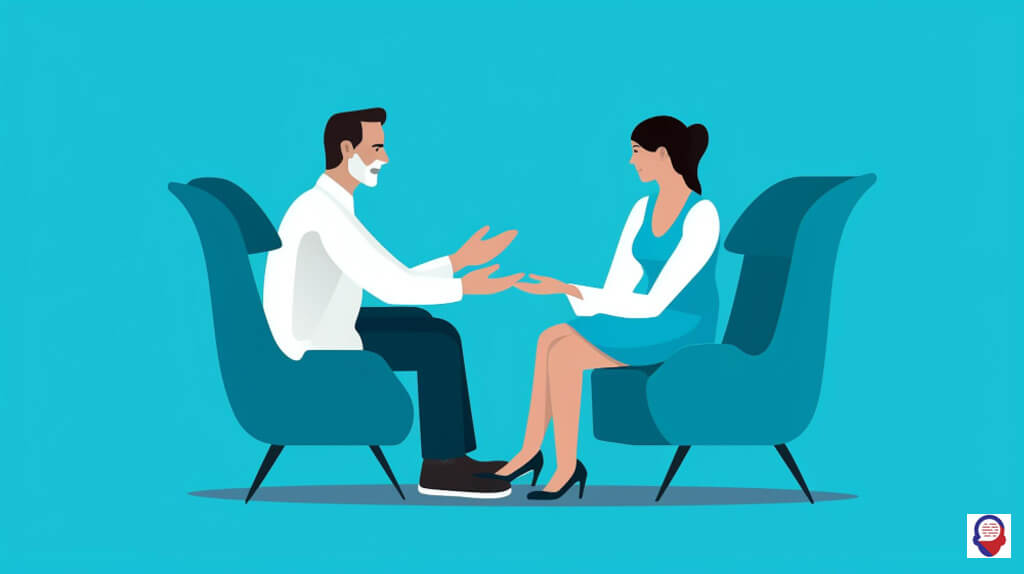
Self-as-Context is one of the more abstract but deeply profound concepts in ACT. It refers to a stable, unchanging part of you that observes your thoughts, feelings, and experiences. It is the "you" who has been there through every joy, every sorrow, every success, and every failure. Think of it as the sky, and your thoughts, emotions, and memories are the weather, constantly changing and passing through. The sky remains vast, open, and unharmed by the storm.
This perspective provides a powerful antidote to the shame-based identity that often accompanies addiction. You are not your addiction. You are not your cravings. You are not your past mistakes. You are the conscious being who is aware of all these things. Connecting with this "observing self" creates a deep sense of stability and continuity, even when your internal world is in turmoil.

How can this concept create distance from an “addict” identity?
Addiction can lead to a powerful and destructive self-story, "I am an addict." This label can feel like a life sentence, defining who you are and what you are capable of. The Self-as-Context perspective helps you to defuse from this identity. You learn to see it as just another story your mind is telling you.
You can practice this by noticing your thoughts and saying, "I am noticing the thought that I am an addict." You are the one doing the noticing. This separates you from the label. You are the person who has had experiences with addiction, but your core self, the sky, is much bigger and more expansive than that single story. This shift allows for self-compassion and opens up the possibility of a new identity, one based on your values rather than your struggles.

What are Values?
Values in ACT are your chosen life directions. They are what you want to stand for, what matters most to you in the big picture. They are not goals, which can be achieved and ticked off a list. Values are like a compass direction, such as "heading west." You can always head west, you never fully "arrive" at west. They are ongoing qualities of action that bring meaning and purpose to your life.
Examples of values might include being a loving parent, a supportive friend, a creative individual, or contributing to your community. In addiction, people often become disconnected from their values. The pursuit of the substance or behaviour hijacks their life’s compass, leading them far away from what they truly care about. Identifying your values is like finding your true north again.

How do you identify your core values?
Identifying your values involves deep and honest self-reflection. You might be asked to consider questions like, "What truly matters to you, deep in your heart?" or "If you were at your own 80th birthday party, what would you want your loved ones to say about the kind of person you were?" You might explore different life domains, such as relationships, career, health, and community, and ask what kind of qualities you want to bring to each area.
The process isn’t about what you think you should value, but what genuinely resonates with you. It’s about listening to your heart, not your head. Once identified, these values become the guiding principles for your recovery. They provide the "why" that can motivate you to endure the discomfort of cravings and withdrawal, the "why" that makes the hard work of recovery worthwhile.

What is Committed Action?
Committed Action is the final piece of the puzzle. It involves taking effective action, guided by your values, to build a rich and meaningful life. It’s about setting goals that are in line with your values and then taking concrete, deliberate steps to achieve them, even in the face of obstacles and discomfort. It is the behavioural expression of your values.

This is where recovery becomes real and tangible. It’s not enough to know what you care about, you have to live it. For someone in recovery, this might mean setting a value-driven goal like reconnecting with family. The committed actions could be making a phone call, arranging a visit, or learning to communicate more openly, even if these actions bring up feelings of anxiety or fear.

How does this connect to overcoming addiction?
Committed action is the engine of change in recovery. It is about actively building new patterns of behaviour that are aligned with your values, which gradually crowd out the old, addictive patterns. Instead of your life being organised around avoiding pain, it becomes organised around pursuing what matters to you.
When a craving arises, you have a choice. You can follow the urge, which leads you away from your values, or you can take a committed action, no matter how small, that moves you towards them. Perhaps your value is health. The committed action in that moment might be to go for a walk, cook a nutritious meal, or do five minutes of stretching instead of using. Each value-driven action strengthens your new life and weakens the hold of the old one.

Is ACT an Effective Treatment for Addiction?
Yes, a growing body of scientific research supports the effectiveness of ACT as a treatment for a wide range of addiction issues. Studies have shown it to be beneficial for substance use disorders, including alcohol, opioids, and cannabis, as well as for behavioural addictions like problem gambling.
The evidence suggests that ACT helps people reduce substance use, manage cravings more effectively, and decrease the psychological distress that often co-occurs with addiction. Its strength lies in its transdiagnostic approach, meaning it addresses the underlying psychological processes, like experiential avoidance, that drive many different mental health challenges. This makes it a versatile and powerful tool for lasting recovery.
Frequently Asked Questions

Is ACT the same as mindfulness?
No, ACT is not the same as mindfulness, but it does incorporate mindfulness as a key component. Mindfulness, the practice of paying attention to the present moment without judgment, is a central skill used within the broader ACT framework. ACT uses mindfulness to help with acceptance, defusion, and connecting with the observing self, but it also includes the crucial elements of clarifying values and taking committed action, which go beyond traditional mindfulness practice.

How long does ACT therapy take?
The duration of ACT therapy can vary significantly depending on the individual’s specific needs, the severity of the addiction, and their personal goals. It is not designed to be a quick fix. Some people may experience significant benefits in a relatively short period, perhaps 8 to 12 sessions, while others may engage in longer-term therapy to more deeply integrate the skills and build a value-driven life. The focus is on learning lifelong skills, not just completing a set number of sessions.

Can I use ACT alongside other recovery programs like AA?
Yes, absolutely. ACT can be a powerful complement to 12-step programs like Alcoholics Anonymous (AA) or Narcotics Anonymous (NA). The principles are highly compatible. For example, the concept of "acceptance" in ACT aligns well with the first step of AA, which involves admitting powerlessness over alcohol. The focus on values in ACT can enrich the "moral inventory" and spiritual awakening aspects of 12-step work, providing a clear framework for building a life of purpose and service.

Do I have to be “spiritual” to benefit from ACT?
No, you do not need to be spiritual or religious to benefit from ACT. While some concepts, like values and self-as-context, can have a spiritual feel for some people, the therapy itself is secular and grounded in psychological science. Values are defined by you, and can be entirely non-spiritual, such as creativity, kindness, or physical health. The therapy is designed to be flexible and adaptable to each individual’s personal worldview and belief system.
The journey out of addiction is rarely a straight line. It is a path of courage, self-discovery, and profound change. Acceptance and Commitment Therapy offers a compassionate and empowering map for this journey. It teaches you that you are not broken, and you don’t need to be fixed. You just need to learn how to relate to your own mind and heart in a new way, a way that allows you to build a life of meaning and purpose, one valued step at a time.
At Counselling-uk, we understand that asking for help is one of the bravest steps you can take. We provide a safe, confidential, and professional place for you to explore the challenges you face and find the support you deserve. If you are ready to stop fighting and start living, our trained therapists are here to guide you on your path to recovery. You don’t have to walk this path alone. Reach out today and begin building the life you truly want to live.