
Healing from Complex Trauma: A Guide to C-PTSD Treatment
What does it mean to heal from something that didn’t happen in a single moment, but over months, years, or even a lifetime? This is the central question for anyone navigating the world with Complex Post-Traumatic Stress Disorder, or C-PTSD. It’s a journey not of forgetting, but of integrating. It is a path toward reclaiming your sense of self, your safety, and your future from the shadows of the past. Healing is not only possible, it is your right. This guide is a map, a light in the dark, to help you understand the landscape of C-PTSD treatment and find your way forward.

What Makes Complex PTSD Different?
Complex PTSD arises from prolonged, repeated traumatic experiences where the victim has little or no chance of escape. Unlike single-incident PTSD, which might stem from a car accident or a natural disaster, C-PTSD is relational and developmental, often occurring within relationships that should have been safe, such as those with caregivers or partners.
How Does C-PTSD Develop?
C-PTSD develops from chronic exposure to trauma, particularly during formative years. This includes situations like ongoing childhood abuse or neglect, long-term domestic violence, being a prisoner of war, or living in a region with constant civil unrest. The repetitive nature of the trauma fundamentally alters a person’s brain development, core beliefs, and their ability to form secure attachments. It teaches the nervous system that the world is a perpetually dangerous place.
The brain adapts to survive this constant threat. This isn’t a flaw, it’s a testament to human resilience. However, these survival adaptations, which were necessary in the traumatic environment, become deeply ingrained and can cause significant distress and impairment long after the person is physically safe. The very mechanisms that kept you alive can make it feel impossible to truly live.

What Are the Core Symptoms of C-PTSD?
The symptoms of C-PTSD encompass those of classic PTSD but also include broader difficulties in self-regulation and personal identity. These are often categorized into several key areas of disturbance.
First, there are profound difficulties with emotional regulation. This can manifest as persistent sadness, explosive or uncontrollable anger, or a feeling of being constantly on edge. You might also experience emotional numbness, a sense of detachment from your feelings, or suicidal thoughts. These emotional storms are not a choice, they are echoes of a nervous system wired for crisis.
Second, disturbances in self-concept are a hallmark of C-PTSD. Survivors often carry a deep sense of worthlessness, shame, and guilt. They may feel fundamentally flawed or different from everyone else, an experience often described as feeling "toxic" or "broken". This distorted self-perception is a direct result of the messages, both spoken and unspoken, received during the traumatic period.
Third, C-PTSD deeply impacts relationships. Having learned that the people who were supposed to be safe are dangerous, it becomes incredibly difficult to trust others. This can lead to social isolation, a pattern of entering into unhealthy relationships that repeat past dynamics, or a constant fear of abandonment. The very idea of intimacy can feel threatening.
Fourth, individuals may experience alterations in consciousness. This includes dissociation, which is a feeling of being detached from your mind, body, or the world around you. It can also involve memory problems, particularly amnesia for traumatic events or, conversely, being constantly flooded by intrusive, vivid memories and flashbacks.
Finally, there is often a loss of, or change in, systems of meaning. This can involve a loss of faith, a deep sense of hopelessness and despair, or a cynical worldview. The foundational beliefs that once provided comfort and structure have been shattered by the reality of the trauma, leaving a void that can be difficult to fill.

What Is the Foundation of C-PTSD Treatment?
The foundation of effective C-PTSD treatment is a multi-phased approach that prioritizes safety and stabilization before delving into the traumatic memories themselves. It is a slow, methodical process that honors the survivor’s pace and capacity, recognizing that healing cannot be rushed. The therapeutic relationship is the crucible in which this healing occurs.

Why Is Safety So Important First?
Establishing safety is the non-negotiable first step in C-PTSD therapy. This means creating both external and internal safety. External safety involves ensuring you are no longer in a dangerous environment, while internal safety is about developing the skills to manage overwhelming emotions and physical sensations without resorting to self-destructive behaviors.
Without a baseline of safety, attempting to process trauma can be re-traumatizing. It’s like trying to perform surgery in the middle of a battlefield. The nervous system is too activated, the emotional wounds too raw. The initial phase of therapy, therefore, focuses on building a toolkit for self-regulation, grounding, and containment, so that you feel secure enough in the present to begin looking at the past.
How Does the Therapeutic Relationship Help?
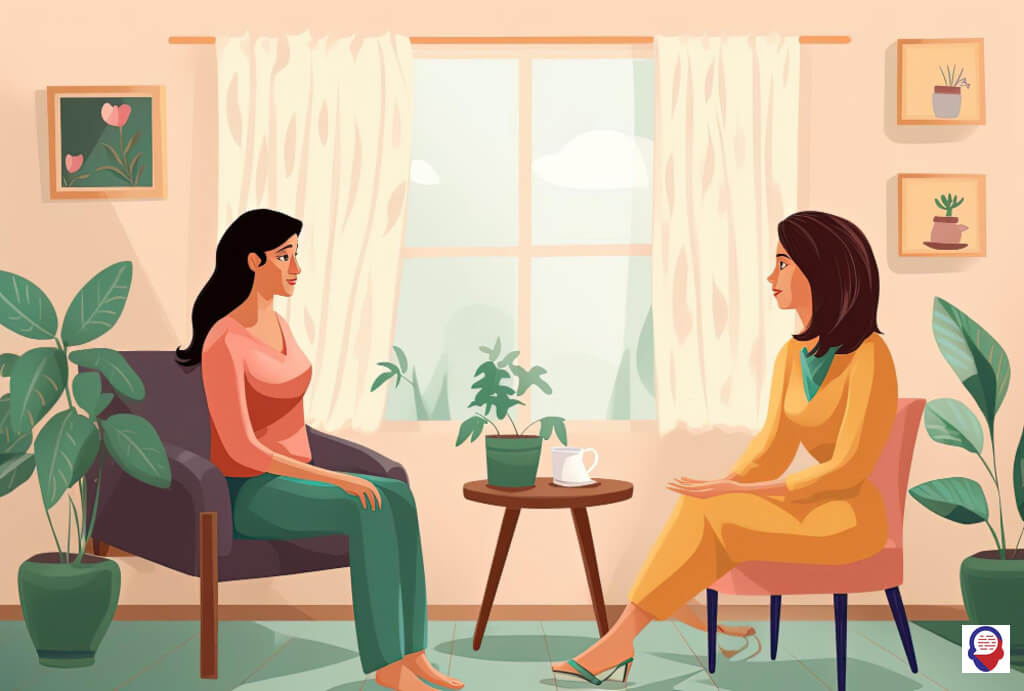
The therapeutic relationship is arguably the most powerful healing agent in C-PTSD treatment. For many survivors, the therapist’s office is the first place they experience a relationship that is safe, consistent, and non-judgmental. This relationship provides a "corrective emotional experience," directly challenging the belief that connection is inherently dangerous.
A skilled trauma therapist creates a collaborative partnership. They don’t direct, they guide. They earn trust through reliability, empathy, and respect for your boundaries. In this secure space, you can begin to explore your inner world, practice new ways of relating, and feel truly seen and heard, perhaps for the very first time. This consistent, safe attachment becomes the secure base from which you can venture into the difficult work of healing.

What Is Phased-Based Treatment?
Phased-based treatment is the gold standard for C-PTSD, most famously articulated by Judith Herman in her three-stage model. This structure ensures that the healing process is manageable and doesn’t overwhelm the survivor’s system.
The first phase is Safety and Stabilization. This is the longest and often most crucial phase. The focus is on psychoeducation, learning about C-PTSD, and developing skills for emotional regulation, distress tolerance, and self-care. It’s about building a solid foundation for the work to come.
The second phase is Remembrance and Mourning, or trauma processing. Once a sufficient level of stability has been achieved, this phase involves carefully processing the traumatic memories. The goal is not to forget, but to integrate these memories into your life story in a way that no longer controls your present. This is where specific trauma-focused therapies are often used.
The third phase is Reconnection and Integration. With the power of the trauma diminished, the focus shifts to the future. This phase is about building a life beyond the trauma. It involves reconnecting with others, cultivating a new sense of self, exploring new interests, and creating a life filled with meaning and purpose. It is about learning to live, not just survive.

Which Therapies Are Used for Complex PTSD?
There is no single "best" therapy for C-PTSD, as treatment must be tailored to the individual. Often, an integrative approach that draws from several different modalities is most effective. The choice of therapy depends on the client’s specific symptoms, needs, and the phase of treatment they are in.

How Does Psychodynamic Therapy Work?
Psychodynamic therapy helps individuals understand how their past experiences, particularly those from early childhood, unconsciously shape their current feelings, thoughts, and behaviors. In the context of C-PTSD, it provides a space to explore the deep-seated patterns of relating and self-perception that developed as a result of the trauma.
The therapist helps you connect the dots between your history and your present-day struggles. By bringing these unconscious patterns into conscious awareness, you gain the power to change them. This approach is particularly helpful for addressing the relational disturbances and distorted self-concept that are central to C-PTSD, fostering deep insight and lasting change over time.

What Is Eye Movement Desensitization and Reprocessing (EMDR)?
EMDR is a structured therapy that helps the brain process traumatic memories that have become "stuck." It uses bilateral stimulation, such as side-to-side eye movements or tapping, while the client briefly focuses on a traumatic memory. This process seems to help the brain’s natural information processing system to resume functioning, allowing the memory to be stored properly as a past event rather than a current threat.
For C-PTSD, EMDR is often adapted to be more gradual. It can be used to process specific distressing memories, reduce the emotional charge of flashbacks, and target the negative core beliefs that fuel shame and worthlessness. It is a powerful tool, but it must be used within a stable therapeutic relationship and typically after the initial safety and stabilization phase is well-established.

What Are Somatic Therapies?

Somatic therapies are based on the understanding that trauma is stored not just in the mind, but also in the body. Modalities like Somatic Experiencing and Sensorimotor Psychotherapy focus on helping individuals develop awareness of their physical sensations and release trapped traumatic energy from the nervous system.
These therapies teach you to track your body’s responses, like a racing heart or shallow breathing, without becoming overwhelmed. Through gentle, mindful exercises, the therapist helps you complete the defensive responses (like fight or flight) that were thwarted during the trauma. This body-up approach can be incredibly effective for C-PTSD, as it directly addresses symptoms like hypervigilance, dissociation, and chronic physical pain that are rooted in nervous system dysregulation.
How Can Dialectical Behavior Therapy (DBT) Help?
DBT is a skills-based therapy that is exceptionally useful for the first phase of C-PTSD treatment, Safety and Stabilization. It was originally developed for borderline personality disorder but is highly effective for the emotional dysregulation that is a core feature of complex trauma.
DBT teaches concrete skills in four key areas. Mindfulness helps you stay present and observe your thoughts and feelings without judgment. Distress Tolerance provides strategies for surviving crises without making things worse. Emotion Regulation helps you understand and manage intense emotions. Interpersonal Effectiveness teaches you how to maintain self-respect, ask for what you need, and set boundaries in relationships. These skills provide the building blocks for a more stable life.

What Is Internal Family Systems (IFS)?
IFS is a transformative model that views the mind as being naturally made up of different "parts," each with its own valuable qualities. It suggests that after trauma, some parts take on extreme roles to protect you. For example, an "angry part" might emerge to keep people away, or a "numbing part" might try to block out pain.
IFS therapy helps you connect with these parts with curiosity and compassion, rather than judgment. The goal is to understand their protective intentions and heal the wounded "exiled" parts they are trying to shield. This process is guided by your core "Self," which is seen as the calm, compassionate, and confident center of your being. For C-PTSD survivors, IFS offers a powerful, non-pathologizing way to heal internal conflicts and reclaim a sense of wholeness.
What Else Supports Recovery from Complex PTSD?
Therapy is the cornerstone of healing, but recovery is a holistic process that extends into all areas of life. Rebuilding a life after complex trauma involves conscious effort in cultivating self-worth, healthy connections, and overall well-being.

How Can I Rebuild a Sense of Self?
Rebuilding a sense of self involves moving from an identity defined by trauma to one defined by your own values, interests, and choices. This is a process of discovery. It means asking yourself, "Who am I, apart from what happened to me?"
This can involve journaling, exploring new hobbies, or engaging in creative expression like art, music, or writing. It requires practicing self-compassion, learning to treat yourself with the kindness you may never have received. It’s about slowly and deliberately replacing the voice of the inner critic with a voice of gentle encouragement and acceptance.

Why Are Healthy Relationships Crucial?
Healthy relationships are both the goal and the vehicle of recovery from C-PTSD. Because the trauma was relational, healing must also be relational. This doesn’t happen overnight. It starts with the safe relationship with a therapist and gradually extends outward.
Learning to set and maintain boundaries is a critical skill. It involves recognizing your limits and communicating them clearly and respectfully. It also means learning to identify safe people, to trust your intuition, and to slowly allow yourself to be vulnerable in relationships that have earned your trust. Reconnecting with safe community, whether through support groups or shared interests, can powerfully combat the isolation of C-PTSD.
Can Medication Help with C-PTSD?
Medication can be a helpful adjunct to therapy for some individuals with C-PTSD, but it is not a cure. There are no medications specifically approved for C-PTSD, but doctors may prescribe them to manage specific, debilitating symptoms.

For example, antidepressants like SSRIs may help reduce the intensity of depression, anxiety, and intrusive thoughts, making it easier to engage in therapy. Other medications might be used to help with sleep disturbances or severe hyperarousal. The decision to use medication is a personal one, made in consultation with a psychiatrist or doctor who understands complex trauma. It should be seen as a tool to help stabilize the system, not as a replacement for the deep work of therapy.
Frequently Asked Questions

What should I know before starting my healing journey? It is important to know that healing is not linear. There will be good days and hard days, moments of progress and moments that feel like setbacks. This is normal and not a sign of failure. Be patient and compassionate with yourself, celebrate small victories, and remember that you are unlearning years of survival conditioning. This takes time, courage, and consistent effort.

How long does C-PTSD treatment take? There is no set timeline for C-PTSD treatment, as it is a deeply personal journey that depends on many factors, including the nature and duration of the trauma and the individual’s resources and support systems. The initial phase of stabilization can take a significant amount of time, often a year or more, before trauma processing can even begin. It is best to view healing as a long-term commitment to yourself rather than a race with a finish line.

Can you fully recover from Complex PTSD? Recovery from C-PTSD is absolutely possible, but ‘recovery’ may look different than you expect. It doesn’t mean erasing the past or never feeling pain again. It means the trauma no longer controls your daily life. Recovery looks like having more moments of peace than turmoil, feeling safe in your own skin, having the capacity for joyful and trusting relationships, and living a life of purpose that you define. The scars may remain, but they become part of your story of resilience, not an open wound.

Where can I find a therapist for C-PTSD? Finding the right therapist is crucial. Look for a clinician who explicitly states they have experience and training in treating complex trauma, developmental trauma, or C-PTSD. It is important to find someone who understands phased-based treatment and is skilled in modalities like EMDR, somatic therapies, or IFS. Don’t be afraid to consult with a few different therapists to find someone you feel a genuine sense of safety and connection with. Your gut feeling is an important guide.

***
Your story does not have to be defined by its most painful chapters. At Counselling-uk, we understand that seeking help is a profound act of courage. We are here to provide a safe, confidential, and professional space for you to begin or continue your healing journey. Our compassionate therapists are trained to support you through all of life’s challenges, especially the deep wounds of complex trauma. You don’t have to walk this path alone. Reach out today, and let us help you find your way back to yourself.

When it comes to treating complex PTSD, it’s important to understand that this condition is more than just post-traumatic stress disorder. It’s a condition caused by ongoing, repeated trauma and can be difficult to diagnose and treat. Fortunately, there are treatments available that can help sufferers manage their symptoms and begin the process of healing. In this article, we’ll discuss the various treatment options available for individuals suffering from complex PTSD. We’ll look at both traditional and alternative approaches to help you make an informed decision about what’s best for you or your loved one. Complex post-traumatic stress disorder (C-PTSD) is a psychological disorder that can develop in people who have experienced prolonged, repeated trauma. It is different from regular post-traumatic stress disorder (PTSD) in that it does not happen as a result of a single traumatic event. C-PTSD can occur when a person is exposed to multiple traumatic events, such as physical or emotional abuse, neglect, or abandonment. People with C-PTSD may experience a wide range of symptoms, including difficulty regulating emotions, difficulty with interpersonal relationships, and issues with self-perception and identity. They may also have problems with impulsivity, concentration, and memory. Treatment for C-PTSD typically involves psychotherapy and medication.
What is Complex PTSD?
Complex Post-Traumatic Stress Disorder (C-PTSD) is a type of mental health condition that can occur when a person has gone through a traumatic event or series of events. It’s similar to Post-Traumatic Stress Disorder (PTSD), but there are some key differences. C-PTSD is often caused by prolonged exposure to trauma and can have a greater range of symptoms than PTSD. People with C-PTSD may have difficulty managing emotions, building relationships, and engaging in healthy behaviors. They may also experience intrusive thoughts, flashbacks, nightmares, and emotional numbing. Treatment for C-PTSD typically involves psychotherapy, medications, lifestyle changes, and support from family and friends.
What Causes Complex PTSD?
Complex PTSD is caused by prolonged exposure to traumatic events or situations such as physical or sexual abuse, neglect, living in an environment of fear or danger, or witnessing violence against others. This type of trauma can occur over an extended period of time and can lead to feelings of helplessness and hopelessness. It can also cause physical symptoms such as headaches, fatigue, difficulty sleeping, and digestive problems.
How Does Complex PTSD Differ From PTSD?
Both Complex PTSD (C-PTSD) and Post Traumatic Stress Disorder (PTSD) are anxiety disorders that can be triggered by traumatic events or experiences. However there are some key differences between the two conditions:
The most common causes of C-PTSD include physical or sexual abuse; neglect; living in an environment of fear or danger; being held captive; being exposed to violence; experiencing long term medical treatments; living with an abusive partner; being involved in a natural disaster; witnessing violence against others; and experiencing persistent discrimination or oppression due to race, gender identity/expression or sexual orientation. Other forms of trauma such as bullying at school or work may also contribute to the development of C-PTSD.
The most common causes of C-PTSD include physical or sexual abuse; neglect; living in an environment of fear or danger; being held captive; being exposed to violence; experiencing long term medical treatments; living with an abusive partner; being involved in a natural disaster; witnessing violence against others; and experiencing persistent discrimination or oppression due to race, gender identity/expression or sexual orientation. Other forms of trauma such as bullying at school or work may also contribute to the development of C-PTSD.
Understanding Complex PTSD