
Healing from Complex Trauma: Finding Your Therapist
Living with the echoes of the past can feel like navigating a dense, disorienting fog. When trauma isn’t a single event but a series of painful experiences woven into the fabric of your life, the world can seem unsafe, relationships feel impossible, and your own sense of self can become fractured. This profound and often misunderstood experience is known as Complex PTSD, and the path to healing requires a very special kind of guide. Finding a therapist who truly understands the intricate nature of C-PTSD isn’t just a step, it is the cornerstone of rebuilding your life.
This article is your map. It is designed to demystify complex trauma, illuminate what makes a C-PTSD therapist different, and empower you with the knowledge to find the right professional to walk alongside you on your journey toward healing. You are not broken, and you do not have to do this alone.

What is Complex PTSD?
Complex Post-Traumatic Stress Disorder, or C-PTSD, is a psychological injury that can develop following exposure to prolonged, repeated traumatic events from which escape is difficult or impossible. Unlike single-event PTSD, C-PTSD is born from chronic adversity, often occurring within formative relationships.
Think of it as trauma that happens over months, years, or even decades. This includes experiences like ongoing childhood emotional, physical, or sexual abuse, long-term neglect, domestic violence, being a prisoner of war, or living in a situation of protracted civil unrest. The relational and repetitive nature of the trauma is what makes its impact so deep and pervasive, affecting not just how you feel, but who you believe you are.
How is C-PTSD Different from PTSD?
The primary difference lies in the nature of the trauma and the breadth of the resulting symptoms. While C-PTSD includes the hallmark symptoms of classic PTSD, it also involves profound disturbances in self-concept and relationships that stem directly from its chronic, relational origins.
Someone with PTSD might experience flashbacks, nightmares, hypervigilance, and avoidance related to a specific traumatic event. A person with C-PTSD experiences all of that, but with an added layer of struggle. These additional challenges, sometimes called "disturbances in self-organization," are what truly define the condition.
These can include severe difficulties with managing emotions, leading to overwhelming anger, persistent sadness, or a sense of emotional numbness. It also manifests as deep-seated feelings of worthlessness, shame, and guilt, and a distorted perception of oneself as being fundamentally flawed. Finally, it profoundly impacts the ability to form healthy relationships, often leading to isolation or a pattern of re-enacting unhealthy dynamics.

Why is a Specialized C-PTSD Therapist Necessary?
A specialized C-PTSD therapist is necessary because complex trauma requires a deeply nuanced, phase-oriented, and relational approach that goes far beyond standard trauma protocols. Treating C-PTSD as if it were single-event PTSD can be ineffective at best and re-traumatizing at worst.
General therapists, though well-intentioned, may lack the specific training to understand the foundational attachment wounds at the core of C-PTSD. They might push for processing traumatic memories too early, before a foundation of safety and emotional regulation has been built. This can overwhelm the nervous system and reinforce the client’s belief that the world, and even therapy, is unsafe.
A C-PTSD specialist understands that the therapeutic relationship itself is a primary vehicle for healing. They are skilled in creating a safe, consistent, and collaborative environment where trust can be slowly rebuilt. They recognize that healing isn’t just about processing memories, it’s about rewiring the nervous system, developing a coherent sense of self, and learning how to connect with others in a healthy way.

What Qualities Should I Look For in a C-PTSD Therapist?
You should look for a therapist who is trauma-informed, patient, deeply compassionate, and skilled in relational and body-based approaches. The ideal therapist creates a profound sense of safety and collaboration, making you feel like a partner in your own healing journey.
Are They Trauma-Informed?
A trauma-informed therapist operates from a fundamental understanding of the pervasive impact of trauma on a person’s life, mind, body, and spirit. Their guiding question is always "What happened to you?" rather than the pathologizing question, "What’s wrong with you?".

This perspective shifts the entire dynamic of therapy. It means the therapist prioritizes your physical and psychological safety above all else. They are transparent about the process, empower you to make choices, and work collaboratively with you every step of the way. A trauma-informed approach actively avoids blame and shame, recognizing your symptoms as brilliant, adaptive survival strategies that are no longer serving you.

Do They Specialize in Complex Trauma?
A therapist who truly specializes in complex trauma will have dedicated training and extensive experience in this specific area, which they will often highlight in their professional biography or on their website. This goes beyond a general interest in "trauma."
Look for specific terms that indicate a deeper level of expertise. Keywords like "complex trauma," "C-PTSD," "developmental trauma," "attachment theory," or "relational trauma" are good signs. Don’t be afraid to ask directly about their training and the percentage of their clients who have a C-PTSD presentation.
Do I Feel Safe and Seen With Them?
The single most critical quality is the subjective feeling of safety and of being genuinely seen, heard, and respected by the therapist. The therapeutic relationship is not just a container for the work, in C-PTSD treatment, it is the work.
Healing from relational trauma requires experiencing a new kind of relationship, one that is safe, reliable, and attuned. Pay close attention to how you feel during an initial consultation. Do you feel rushed or judged? Do they listen more than they talk? Do you sense their genuine curiosity and compassion? Trust your gut instinct, it is a powerful tool honed by your experiences.

Are They Patient and Pace-Oriented?
A competent C-PTSD therapist understands that healing is a marathon, not a sprint, and must be paced according to your unique capacity and nervous system. They will never pressure you to "get over it" or move faster than you are comfortable with.
They understand the concept of the "window of tolerance," the optimal zone of arousal where you can feel and process emotions without becoming overwhelmed or shutting down. A good therapist’s job is to help you gently widen this window over time, not shove you out of it. They will celebrate small, incremental steps and view setbacks not as failures, but as valuable information on the path to healing.

What Therapeutic Approaches Work Best for C-PTSD?
The most effective therapeutic approaches for C-PTSD are typically phase-based and integrative. They combine "top-down" methods that engage your thinking mind with "bottom-up" methods that address the trauma stored in your body, ensuring the whole person is treated.

What is Phase-Oriented Treatment?
Phase-oriented treatment is a structured, sequential framework that prioritizes establishing safety and stability before attempting to process traumatic memories. This model, widely considered the gold standard for complex trauma, ensures that the work is done safely and effectively.
The first phase, Safety and Stabilization, is the longest and most crucial. It involves building a strong therapeutic alliance, learning emotional regulation skills, developing self-compassion, and understanding your own trauma responses. You cannot process trauma if your daily life feels chaotic and unsafe.
Only after a solid foundation is built does therapy move to the second phase, Trauma Processing. Here, with the skills and safety established in phase one, you can begin to work through traumatic memories in a contained and manageable way. The final phase, Integration and Reconnection, focuses on building a new life, fostering healthy relationships, and creating a future that is not defined by the past.

What are Somatic (Bottom-Up) Therapies?
Somatic therapies are body-centered approaches that focus on the physical sensations and stored trauma responses held within the nervous system. They operate on the principle that trauma is an experience of the body, not just an event that happened to the mind, so the body must be included in the healing.

When faced with threat, our bodies activate immense survival energy for fight, flight, or freeze. If this energy is not discharged, it can remain trapped in the nervous system, leading to symptoms like hypervigilance, anxiety, chronic pain, and dissociation. Somatic approaches, like Somatic Experiencing or Sensorimotor Psychotherapy, help you gently connect with these bodily sensations in a safe way, allowing the trapped survival energy to finally complete its cycle and release. This helps regulate the nervous system from the bottom up.

What are Relational and Attachment-Based Therapies?
These therapies focus directly on how your early life experiences and relational traumas have shaped your current patterns of connecting with yourself and others. They use the therapeutic relationship itself as a laboratory and a model for healing.
Because C-PTSD is so often rooted in the violation of trust within important relationships, healing must involve experiencing a different kind of relationship. In a safe therapeutic bond, you can begin to challenge core beliefs like "I am unlovable" or "People will always abandon me." The therapist’s consistency, attunement, and non-judgmental acceptance provide a corrective emotional experience, slowly rewiring the attachment system for more secure connection.

What About EMDR or IFS?
Therapies like Eye Movement Desensitization and Reprocessing (EMDR) and Internal Family Systems (IFS) can be exceptionally effective for C-PTSD, particularly when they are skillfully adapted and integrated into a broader, phase-oriented treatment plan.
EMDR helps the brain’s information processing system digest and store traumatic memories in a way that makes them less vivid and distressing. For C-PTSD, it is crucial that EMDR is not used until extensive safety and stabilization work (Phase 1) is complete. An adapted form, often using more resourcing and a slower pace, is required.
Internal Family Systems is a powerfully compassionate model that views the psyche as being made up of various "parts." It suggests that symptoms of C-PTSD are the result of protective parts taking on extreme roles to shield a person from pain. IFS therapy helps you connect with these parts with curiosity and compassion, healing the wounded inner child parts they protect and restoring a sense of inner harmony and self-leadership.

How Do I Find a Qualified C-PTSD Therapist?
You can find a qualified C-PTSD therapist by utilizing specialized online directories, seeking recommendations from trusted professional sources, and, most importantly, asking specific, targeted questions during initial consultations.
Where Can I Search Online?
Professional directories for therapists are an excellent place to begin your search. Reputable databases, often associated with national counselling and psychotherapy bodies, allow you to filter your search by location, insurance, and, crucially, by specialty.
Use the search filters to look for therapists who list "Complex PTSD," "Developmental Trauma," "Dissociation," or "Attachment Trauma" as their areas of expertise. Also, filter for specific modalities you’re interested in, such as "EMDR," "Somatic Experiencing," or "IFS." Reading through their professional profiles can give you a good sense of their approach and philosophy.

What Questions Should I Ask in a Consultation?
The initial consultation, often a brief free call, is your opportunity to interview the therapist. This is not about being confrontational, it’s about gathering information to see if it’s a good fit. Prepare a few questions in advance.
Consider asking questions like: "What is your specific training and experience in working with C-PTSD?", "Can you describe your therapeutic approach to complex trauma?", "How do you prioritize safety and pacing in your sessions?", and "What does the initial phase of therapy with you typically look like?". Pay as much attention to how they answer as to what they say. Do they sound patient, confident, and collaborative?

What if I Can’t Find a Specialist in My Area?
If you are struggling to find a local therapist who specializes in C-PTSD, consider expanding your search to include online or remote therapy. The rise of telehealth has made it possible to connect with top specialists from anywhere in the country.

Many people have found that online therapy can be just as effective as in-person sessions for C-PTSD treatment. A strong, secure therapeutic connection can absolutely be built through a screen, and the convenience of being in your own safe space can be a significant advantage. This vastly opens up your options, ensuring you can find the right person, not just the closest one.

What Can I Expect From C-PTSD Therapy?
You can expect a journey that is often challenging, non-linear, and deeply emotional, but also profoundly rewarding and life-changing. Therapy will be focused on co-creating safety, making sense of your past, developing new and healthier ways of coping, and ultimately, reclaiming your life from the shadows of trauma.
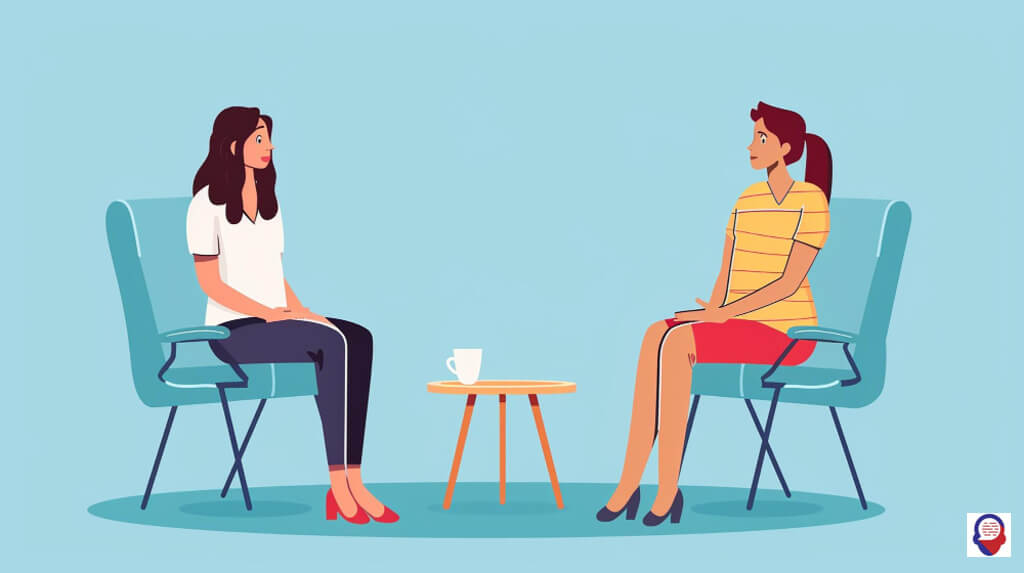
Will It Be a Quick Fix?
C-PTSD therapy is not a quick fix. It is a gradual and patient process of healing wounds that were inflicted over a long period of time. Healing also takes time.
Think of it less like emergency surgery and more like tending to a garden. It requires preparing the soil, planting seeds, consistent watering, and patiently nurturing growth. The goal is not a temporary patch but deep, sustainable change that will last a lifetime. Be prepared to commit to the process, and be compassionate with yourself along the way.

Will I Have to Talk About My Trauma Immediately?
Absolutely not. A skilled and ethical C-PTSD therapist will never force you to disclose traumatic details before you feel completely ready and have developed the necessary internal and external resources to do so safely.
The first and longest phase of therapy is dedicated to building those very resources. You will work on skills for emotional regulation, self-soothing, and grounding. You and your therapist will build a trusting relationship that feels like a secure container. You are always in control of the pace, and the therapist’s job is to ensure that container is strong enough to hold your story when, and if, you choose to share it.
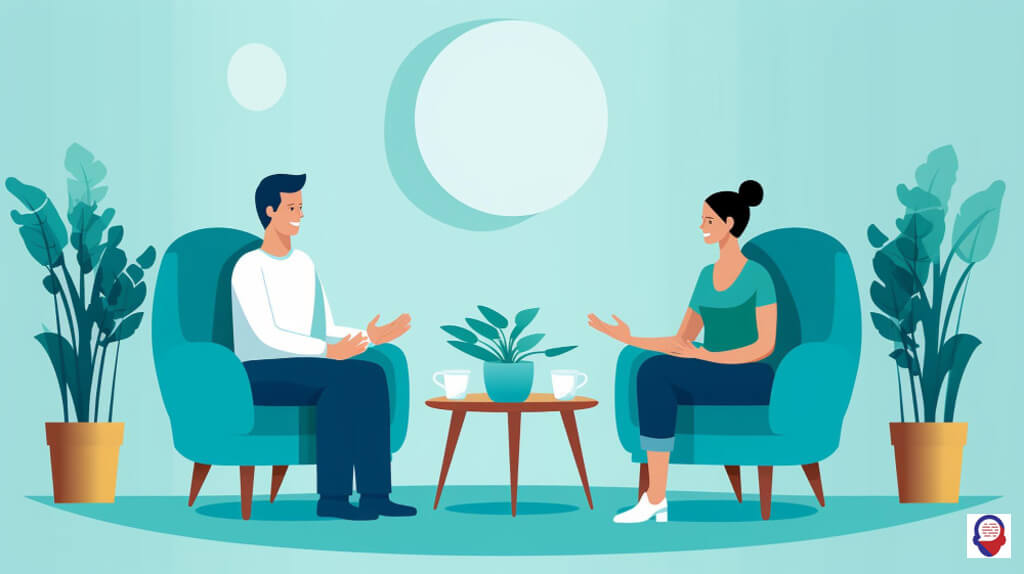
What Does Progress Look Like?
Progress in C-PTSD therapy is often subtle at first and is rarely a straight line. It’s not about suddenly being "cured," but about the accumulation of small, meaningful changes that shift your daily experience of life.
Progress might look like having a few more moments of peace in your day or noticing you can calm yourself down more quickly after being triggered. It might be setting a healthy boundary with someone for the first time, or feeling more present and comfortable in your own body. It can be a newfound ability to be kind and compassionate toward yourself, or the slow-dawning realization that you are starting to feel hopeful about the future. Progress is not the absence of pain, but the growing presence of resilience, connection, and joy.
Frequently Asked Questions

How long does therapy for C-PTSD take?
There is no standard timeline for C-PTSD therapy, as it is a deeply individual process. Because it involves foundational work on one’s sense of self, emotional world, and relational patterns, it is considered a long-term therapy, often lasting for several years. The pace is always determined by your unique history, needs, and capacity for processing.

Is medication necessary for C-PTSD?
While therapy is the primary treatment for C-PTSD, medication can be a very helpful adjunctive tool for some individuals. It cannot cure the underlying trauma, but it can help manage debilitating symptoms like severe depression, overwhelming anxiety, or chronic insomnia. Alleviating these symptoms can make it much more possible to engage in and benefit from the deep work of therapy. This is a decision best made in consultation with a GP or a psychiatrist.

Can C-PTSD be cured?
While memories of the past cannot be erased, the idea of a "cure" can be misleading. A more accurate and hopeful goal is significant healing and recovery, which is absolutely possible. The aim of therapy is to integrate the traumatic experiences so they no longer control your present-day life, emotions, and relationships. Recovery means the trauma becomes a part of your story, but it is no longer the entire story. It means living a full, meaningful, and connected life, not in spite of your past, but with the wisdom and resilience you’ve gained from it.
Your story deserves to be heard in a space built on safety and trust. Healing from complex trauma is a profound journey, and you do not have to navigate it alone. Counselling-uk is a safe, confidential, and professional place to get advice and find the support you need for all of life’s challenges. Connect with a compassionate, qualified therapist today and take the first brave step towards reclaiming your future.
With these tips in mind, you should be well prepared for your first CPT-SD session. Remember that this type of therapy requires patience and dedication from both the therapist and the client in order for it to be successful. Taking the time to prepare properly before each session will go a long way in helping ensure positive outcomes for everyone involved.
Overall, it is important to consider all aspects when determining how much CPT-SD therapy will cost overall. While costs may vary depending on factors such as type of treatment offered, practitioner experience level, and length of time spent in treatment; researching potential practitioners and discussing your needs with them prior to beginning treatment can help you get an accurate estimate for how much it will cost overall.