How CBT for Trauma Can Help You Reclaim Your Life
Trauma can feel like a life sentence, a shadow that follows you, whispering that you’ll never be the same. It can fracture your sense of safety, hijack your emotions, and rewrite the story you tell yourself about the world and your place in it. But what if that story could be changed? What if you could learn to challenge the shadow, to quiet the whispers, and to find a path back to yourself? This is the promise of trauma-focused Cognitive Behavioral Therapy, a powerful, evidence-based approach that doesn’t just help you cope, it helps you heal. It provides a structured, supportive framework to untangle the knots that trauma has tied, allowing you to reclaim your narrative and, ultimately, your life.

What Exactly Is Trauma-Focused CBT?
Trauma-focused Cognitive Behavioral Therapy, or TF-CBT, is a specialized form of therapy designed to help people recover from the profound effects of traumatic experiences. It operates on the fundamental principle that our thoughts, feelings, and behaviors are all interconnected, and that by changing unhelpful thought patterns related to a trauma, we can change how we feel and act in response to it.
This therapy isn’t about forgetting what happened. Instead, it’s about changing your relationship with the memory of what happened. It provides you with the tools to process the traumatic event in a safe and controlled environment. By doing so, it helps to reduce the power the memory holds over your daily life, diminishing symptoms like flashbacks, anxiety, and avoidance that so often follow a traumatic event.
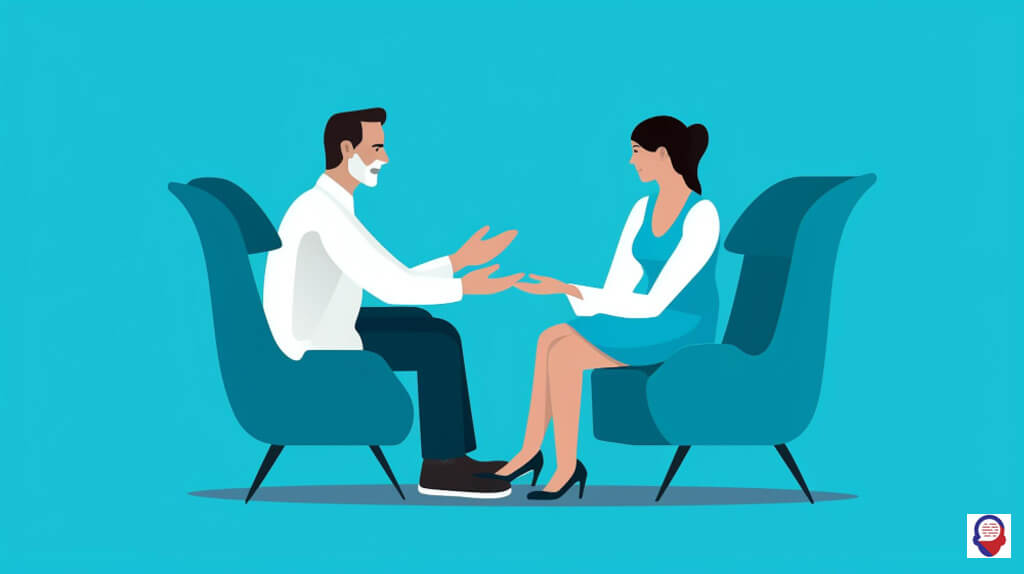
At its core, TF-CBT is a collaborative and active process. You and your therapist work together as a team to identify the specific ways trauma has impacted your thinking and behavior. The goal is to build practical skills that empower you to manage distressing feelings, challenge distorted beliefs, and gradually re-engage with the world you may have withdrawn from. It’s a journey of learning, practice, and empowerment.

How Does Trauma Change the Brain and Body?
Trauma fundamentally alters the brain’s wiring and the body’s stress response system, locking them into a state of high alert. It does this by over-activating the amygdala, the brain’s "smoke detector," which becomes hyper-sensitive to any perceived threat, real or imagined. This keeps the fight, flight, or freeze response constantly simmering just below the surface.
This constant state of activation has cascading effects. The prefrontal cortex, responsible for rational thought, emotional regulation, and decision-making, can become less effective. This is why, after a trauma, it can be so difficult to think clearly, manage intense emotions, or stop overreacting to minor stressors. Your brain is essentially stuck in survival mode, prioritizing immediate safety over long-term, calm reasoning.
Physically, this translates into a body that is exhausted from being perpetually on guard. Chronic stress hormones like cortisol and adrenaline flood your system, leading to symptoms like muscle tension, fatigue, digestive issues, and a weakened immune system. Sleep is often disrupted by nightmares or hypervigilance, preventing the deep rest your mind and body desperately need to repair and recover. Trauma is not just in your head, it is an experience lived in your body.

What Are the Core Components of Trauma CBT?
The core components of Trauma-Focused CBT form a structured sequence of interventions, often summarized by the acronym PRACTICE, designed to guide you from a state of distress to one of recovery and resilience. These components include psychoeducation, relaxation skills, affective regulation, cognitive processing of the trauma, creating a trauma narrative, in-vivo exposure to trauma reminders, and enhancing future safety.
Each element builds upon the last, creating a comprehensive and supportive therapeutic journey. It begins by establishing a foundation of safety and understanding, then equips you with the skills to manage overwhelming emotions. Only then does it gently guide you to process the traumatic memories themselves, before finally helping you integrate these experiences and move forward with a renewed sense of strength and control.

Is Psychoeducation the First Step?
Yes, psychoeducation is almost always the first and most foundational step in trauma therapy. It involves learning about trauma itself, understanding its common effects on the mind, body, and emotions, and normalizing your own reactions. This step is crucial because it demystifies the experience and helps you realize you are not "crazy" or "broken," but are having a very normal reaction to an abnormal event.
This educational process provides a framework for the rest of the therapy. When you understand why you feel jumpy, why you avoid certain places, or why you have intrusive thoughts, these symptoms become less frightening and more manageable. It empowers you by replacing confusion and self-blame with knowledge and self-compassion, creating the stable ground upon which the hard work of healing can begin.

How Does a Therapist Help You Relax?
A therapist helps you relax by teaching you specific, practical skills to calm your nervous system when it goes into overdrive. These techniques are designed to counteract the body’s fight-or-flight response, giving you a sense of control over your physical and emotional state. The process begins with simple yet powerful tools that you can use anytime, anywhere.

Common techniques include diaphragmatic or "belly" breathing, which directly stimulates the vagus nerve to signal safety and relaxation to the brain. You might also learn progressive muscle relaxation, a method of tensing and then releasing different muscle groups to release stored physical tension. Mindfulness practices are also key, teaching you to anchor your attention in the present moment through your senses, rather than being swept away by distressing thoughts or memories. These skills are not just exercises, they are lifelines.

What Is Cognitive Processing?
Cognitive processing is the heart of the "cognitive" part of CBT, where you learn to identify, question, and change the unhelpful or distorted thoughts and beliefs that have grown out of your traumatic experience. These are often called "stuck points" because they keep you trapped in a cycle of fear, guilt, shame, or anger.
Your therapist will help you become a detective of your own thoughts. You’ll learn to notice beliefs like, "I am to blame for what happened," "The world is completely unsafe," or "I am permanently damaged." Together, you will examine the evidence for and against these thoughts, treating them not as facts, but as hypotheses to be tested. This process, known as cognitive restructuring, helps you develop more balanced, realistic, and compassionate ways of thinking about yourself, the world, and the trauma itself.

What Role Does Exposure Therapy Play?
Exposure therapy plays a critical but carefully managed role in helping you reduce the fear and anxiety associated with trauma memories and reminders. It works by gradually and repeatedly confronting the things you have been avoiding, in a safe and controlled therapeutic setting, until your brain learns that they are no longer dangerous. It is absolutely not about re-traumatizing you.
This can take two forms. One is imaginal exposure, where you recount the traumatic memory aloud in detail during a session, with your therapist’s guidance and support. This helps to process the memory and strip it of its emotional charge. The other is in-vivo exposure, where you and your therapist create a list of feared but safe situations or places you’ve been avoiding, and you gradually begin to face them, starting with the least distressing. This breaks the cycle of avoidance and helps you reclaim parts of your life that trauma took from you.

How Are New Coping Skills Developed?
New coping skills are developed systematically throughout the therapy process to build a robust toolkit for managing life’s challenges long after your sessions have ended. This goes beyond the initial relaxation techniques and delves into broader areas of personal effectiveness and emotional health. The goal is to ensure you feel equipped to handle not just trauma triggers, but everyday stressors as well.
This often involves assertiveness training, helping you set healthy boundaries and communicate your needs clearly and respectfully. You might work on problem-solving skills, breaking down overwhelming issues into smaller, manageable steps. The therapy also reinforces the importance of self-care routines, building positive social connections, and engaging in activities that bring you a sense of purpose and joy, actively rebuilding a life that feels meaningful and secure.

Who Can Benefit from This Type of Therapy?
Virtually anyone who has experienced a traumatic event and is struggling with its aftermath can benefit from this type of therapy. It is recognized as a gold-standard treatment for Post-Traumatic Stress Disorder (PTSD) but is also highly effective for individuals who may not meet the full diagnostic criteria for PTSD but are still experiencing significant distress.
This includes survivors of a wide range of traumas, such as physical or sexual assault, childhood abuse, natural disasters, serious accidents, combat, community violence, or the sudden loss of a loved one. The therapy can be adapted for children, adolescents, and adults. The key factor is not the nature of the trauma, but the presence of ongoing symptoms like intrusive memories, avoidance, negative changes in mood and thinking, and hyperarousal that interfere with your ability to live a full life.

How Long Does Trauma CBT Usually Take?
The duration of trauma-focused CBT is typically short-term, but the exact length can vary significantly based on individual needs and the complexity of the trauma. On average, a standard course of treatment often consists of 12 to 20 weekly sessions, with each session lasting between 60 and 90 minutes.
However, this is just a guideline. Someone with a single-incident trauma might progress more quickly, while an individual with a history of multiple or prolonged traumas, sometimes called complex trauma, may require a longer therapeutic process. The pace is always determined collaboratively between you and your therapist, ensuring you have enough time to work through each component thoroughly and safely without feeling rushed. Progress, not the calendar, dictates the timeline.

What Should You Look for in a Trauma CBT Therapist?
When seeking a trauma CBT therapist, you should look for a licensed mental health professional who has specific training and supervised experience in treating trauma and, ideally, a certification in Trauma-Focused CBT or a similar evidence-based trauma modality. Their credentials, such as being a registered psychologist, counsellor, or psychotherapist, are a crucial starting point.

Beyond qualifications, the therapeutic relationship is paramount. You need to feel safe, respected, and understood by your therapist. Look for someone who is patient, compassionate, and non-judgmental, someone who collaborates with you and empowers you in your own healing. A good therapist will be transparent about the process, answer all your questions, and proceed at a pace that feels comfortable for you. Trust your intuition during the initial consultation, as a strong connection is a key predictor of successful therapy.

Is It Normal to Feel Worse Before Feeling Better?
Yes, it is completely normal, and even expected, to feel a temporary increase in distress before you start to feel better. Confronting painful memories and challenging deeply ingrained beliefs is incredibly hard work, and it can stir up difficult emotions that you may have spent years trying to avoid or suppress.
Think of it like cleaning out a deep wound. The process itself can be painful and uncomfortable, but it is a necessary step to prevent infection and allow for true healing. A skilled trauma therapist is aware of this possibility and will equip you with grounding and relaxation skills beforehand. They will help you navigate these difficult periods with support and care, reminding you that this discomfort is a sign that the therapy is working and that relief is on the other side.
Frequently Asked Questions

Can Trauma CBT be done online?
Yes, Trauma-Focused CBT can be delivered effectively online through telehealth platforms. Numerous studies have shown that virtual therapy for trauma can be just as effective as in-person sessions, provided the therapist is properly trained and the technology platform is secure and reliable. This has made treatment more accessible for people in remote areas or those with mobility issues.

Is medication ever used alongside this therapy?
Yes, medication is often used in conjunction with Trauma-Focused CBT, and the combination can be very effective. Antidepressants, particularly SSRIs, can help to reduce the intensity of symptoms like anxiety, depression, and hyperarousal, making it easier for a person to engage in and benefit from the therapeutic work. The decision to use medication is a personal one, made in consultation with a psychiatrist or medical doctor.
What if I can’t remember all the details of my trauma?
It is not necessary to remember every single detail of the traumatic event for the therapy to be successful. Trauma can cause memory fragmentation, and it’s very common to have gaps or unclear recollections. A skilled therapist can work with the memories and feelings you do have, focusing on the "stuck points" and emotional impact rather than demanding a perfect, chronological account. The therapy adapts to your experience.

How is this different from just talking about the past?
Trauma-Focused CBT is fundamentally different from simply talking about the past because it is a highly structured, skills-based therapy with a clear goal. While talking is a component, the therapy actively teaches you concrete cognitive and behavioral skills to change your relationship with the past. It focuses on processing the trauma in a way that reduces its power, rather than just repeatedly recounting the story, which can sometimes be unhelpful or even re-traumatizing without the proper therapeutic framework.
At Counselling-uk, we understand that seeking help for trauma is a profound act of courage. Our mission is to provide a safe, confidential, and professional space where your journey to healing can begin. We believe that everyone deserves support for all of life’s challenges, especially the ones that leave the deepest marks. If you are ready to move beyond the shadow of the past and reclaim your future, our dedicated therapists are here to guide you with compassion and expertise. Reach out today, and take the first step towards a life defined not by what happened to you, but by the strength you found to heal.