Navigating Recovery: A Guide to Eating Disorder Counselling
An eating disorder is more than just a struggle with food. It’s a complex, painful, and often secret battle that can consume your thoughts, damage your health, and steal your joy. It’s a mental illness with serious physical consequences, but it is also one from which you can find freedom. The path to healing is rarely walked alone, and that is where professional support becomes not just helpful, but truly transformative.

What Exactly Is Eating Disorder Counselling?
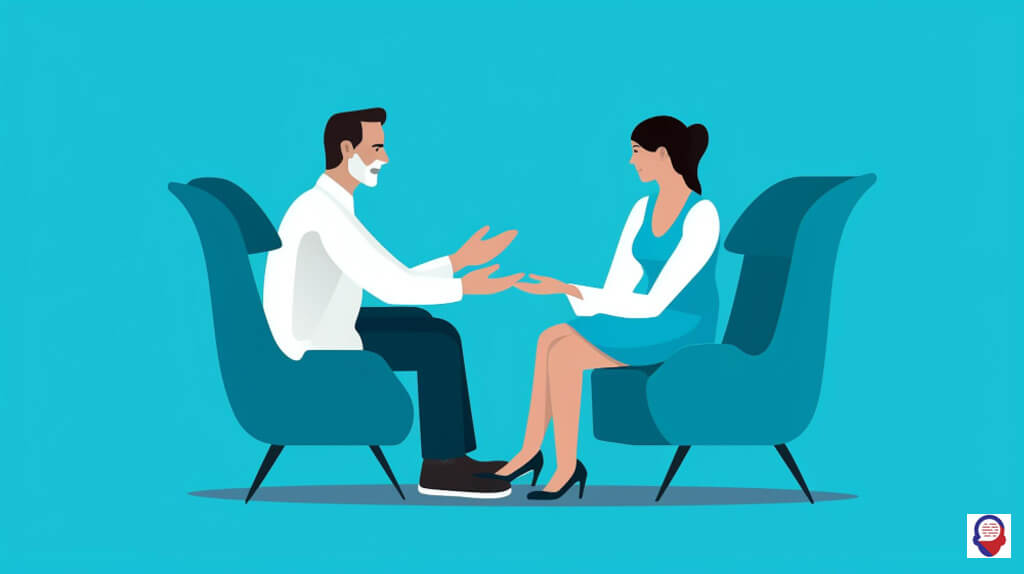
Eating disorder counselling is a specialised form of psychotherapy designed to help individuals understand and overcome the complex psychological factors driving their condition. It is a collaborative process between you and a trained therapist, focused on healing your relationship with food, your body, and yourself.
This therapy goes far beyond simply discussing diet or weight. It delves into the underlying emotions, beliefs, and experiences that fuel the eating disorder. The ultimate goal is to help you develop healthier coping mechanisms, challenge destructive thought patterns, and build a life that is no longer controlled by food or body image concerns.

Why Is Seeking Professional Help So Crucial?
Attempting to overcome an eating disorder alone is an immense and often impossible burden, as these conditions are deeply rooted in complex psychological distress. A professional counsellor provides the essential structure, expertise, and non-judgmental support needed to navigate the challenges of recovery safely and effectively.
These are not issues of willpower, they are serious mental illnesses. A trained therapist understands the intricate web of factors involved, from genetics and brain chemistry to trauma and societal pressures. They can help untangle this web in a way that self-help or the support of well-meaning friends and family cannot. Furthermore, given the severe medical risks associated with eating disorders, professional oversight is critical to ensure your physical safety throughout the recovery journey.

What Happens During a First Counselling Session?
Your first counselling session is primarily about establishing a safe connection and gathering information, not about immediate pressure to change. The therapist’s main goal is to begin building a relationship of trust and understanding with you.
You can expect the counsellor to ask questions about your history, your relationship with food, and what brought you to therapy. This is done with compassion and without judgment. It is a space for you to share as much or as little as you feel comfortable with, setting the foundation for the therapeutic work to come. The session is also your opportunity to ask questions and decide if the therapist feels like the right fit for you.

What Types of Therapy Are Used for Eating Disorders?
There is no single, one-size-fits-all therapy for eating disorders, so a skilled counsellor will often integrate various approaches tailored to your specific needs. The most effective treatment plans are personalised, drawing from evidence-based methods to address your unique symptoms, history, and goals.
This tailored approach ensures that the therapy addresses not just the surface-level behaviours but also the deeper emotional and psychological roots of the disorder. Your therapist will work with you to determine which modalities are most likely to lead to lasting, meaningful recovery.

Is Cognitive Behavioural Therapy (CBT) Effective?
Yes, a specialised form of Cognitive Behavioural Therapy, known as Enhanced CBT (CBT-E), is one of the leading evidence-based treatments for eating disorders in adults. It is a highly structured and practical approach that helps you understand the connections between your thoughts, feelings, and behaviours.
In CBT-E, you and your therapist will work together to identify the specific thought patterns and beliefs that maintain the eating disorder. You will then learn practical strategies to challenge these thoughts and systematically change the behaviours, such as food restriction or bingeing, that keep you stuck. The focus is on empowering you with the tools to become your own therapist over time.

What is Family-Based Treatment (FBT)?
Family-Based Treatment, often referred to as the Maudsley Method, is the leading evidence-based approach for treating adolescents and young adults with eating disorders. It positions the family not as the cause of the problem, but as the most vital resource for recovery.

In FBT, the therapist empowers parents to take a central, active role in their child’s healing process. The initial focus is on nutritional rehabilitation and stopping dangerous behaviours, with parents temporarily taking charge of meals to ensure their child is medically stable. As recovery progresses, control is gradually and thoughtfully handed back to the adolescent, promoting autonomy and long-term health.

How Does Dialectical Behaviour Therapy (DBT) Help?
Dialectical Behaviour Therapy is particularly helpful for individuals whose eating disorder is linked to intense, overwhelming emotions and difficulty managing distress. DBT provides concrete skills in four key areas: mindfulness, distress tolerance, emotion regulation, and interpersonal effectiveness.
By learning these skills, you can become better equipped to handle the powerful feelings that might otherwise trigger eating disorder behaviours. Distress tolerance skills offer alternatives to coping with painful moments, while emotion regulation techniques help you understand and influence your emotions in a healthier way. This approach is invaluable for breaking the cycle of emotional pain leading to destructive actions.

Could Psychodynamic Therapy Be an Option?
Yes, psychodynamic therapy can be a very effective option, particularly for individuals who feel their eating disorder is connected to past experiences, unresolved conflicts, or deep-seated patterns in their relationships. This approach explores how your past unconsciously influences your present thoughts and behaviours.
The goal is to bring these unconscious drivers into conscious awareness. By understanding the root causes of your distress and the symbolic meaning the eating disorder holds, you can begin to heal from past wounds and find new, healthier ways of relating to yourself and others. It is a journey of deep self-discovery that can lead to profound and lasting change.

What is Acceptance and Commitment Therapy (ACT)?
Acceptance and Commitment Therapy offers a unique and powerful approach by focusing not on eliminating difficult thoughts and feelings, but on changing your relationship to them. ACT helps you to stop struggling against your inner emotional experience and instead learn to accept it with mindfulness.
The "commitment" part of ACT involves identifying what is truly important to you, your core values, and then committing to taking actions that align with those values. This means you can build a rich and meaningful life even while learning to manage the presence of difficult thoughts or urges. It shifts the focus from fighting the disorder to building a life worth living.

How Does Counselling Address the Physical and Mental Aspects?
Effective eating disorder counselling uses an integrated approach that addresses both the psychological distress and the physical behaviours simultaneously. It recognises that the mind and body are inextricably linked, and that true recovery requires healing in both domains.
A therapist will help you explore the emotional functions of the eating disorder while also providing practical support to normalise eating patterns and improve physical health. This dual focus is often managed in collaboration with other healthcare professionals, such as doctors and dietitians, to ensure comprehensive and safe care.

How is the Relationship with Food Rebuilt?
Rebuilding a healthy relationship with food is a gradual and supported process that moves at your own pace. A counsellor helps you challenge the fear and anxiety that has become attached to eating.
This often involves dismantling rigid food rules, such as labelling foods as "good" or "bad," and learning to listen to your body’s natural hunger and fullness cues. In many cases, a therapist will work alongside a specialist dietitian to create structured yet flexible meal plans. The process involves reintroducing feared foods in a safe, controlled way, proving that you can manage the anxiety and that no single food holds ultimate power over you.

How is Body Image Addressed?
Addressing distorted body image is a central component of eating disorder therapy, as it is often the core issue that sustains the disorder. The process involves moving beyond a focus on weight and shape to cultivate a sense of body respect and acceptance.

Therapy helps you identify and challenge the relentless, critical inner voice that judges your appearance. You learn to recognise that your perception of your body is distorted by the eating disorder. Techniques may include reducing body-checking behaviours, appreciating what your body can do rather than how it looks, and exposing yourself to a diverse range of body shapes and sizes to normalise human variety.

What About Co-occurring Conditions?
It is extremely common for eating disorders to exist alongside other mental health conditions, such as anxiety, depression, obsessive-compulsive disorder (OCD), post-traumatic stress disorder (PTSD), or substance use issues. A skilled therapist is trained to recognise and treat these co-occurring disorders.
An integrated treatment plan addresses all these issues concurrently, as they are often deeply interconnected. For example, unresolved trauma might be a root cause of the eating disorder, or the constant stress of the disorder might lead to severe depression. Treating them together is essential for preventing relapse and achieving holistic, sustainable recovery.

How Do I Know If I Need Eating Disorder Counselling?
Recognising the need for help is the first, most courageous step, and it is often difficult to take. You may need counselling if you find that thoughts about food, weight, or your body shape are taking up a significant amount of your mental energy and negatively impacting your quality of life.
Look for signs such as a persistent preoccupation with calories, weight, or dieting that feels obsessive. Notice changes in your behaviour, like eating in secret, avoiding social situations involving food, or developing rigid rituals around meals. If you feel intense guilt or shame after eating, experience a distorted view of your body, or suffer from physical symptoms like fatigue, dizziness, or digestive issues, these are all strong indicators that professional support would be beneficial.

How Can I Find the Right Counsellor?
Finding the right counsellor is a critical part of the recovery process, as the therapeutic relationship itself is a powerful agent of change. You need to find someone with whom you feel safe, respected, and understood.
Start by looking for professionals who explicitly state that they specialise in eating disorders. A good therapist will offer an initial consultation, giving you the chance to ask questions and get a feel for their approach. Trust your instincts, as a strong connection with your counsellor is one of the best predictors of a positive outcome.

What Qualifications Should I Look For?
You should look for a therapist who has specific, advanced training and supervised experience in treating eating disorders. General counselling experience is not enough, as these are highly specialised conditions.
In the UK, check if the therapist is registered with a reputable professional body, such as the British Association for Counselling and Psychotherapy (BACP) or the UK Council for Psychotherapy (UKCP). This ensures they adhere to strict ethical codes and standards of practice. Do not hesitate to ask a potential therapist directly about their qualifications and their specific experience with your type of eating disorder.

Why is the Therapeutic Relationship Important?
The therapeutic relationship is the foundation upon which all healing is built. It is the safe, confidential, and non-judgmental space where you can be vulnerable, explore your deepest fears, and challenge long-held beliefs without fear of criticism.
A strong bond with your therapist, often called the "therapeutic alliance," fosters the trust necessary to do the difficult work of recovery. When you feel genuinely seen, heard, and supported by your counsellor, you are more likely to engage fully in the process, try new behaviours, and believe in your own capacity to heal. It is perfectly acceptable to speak with a few different therapists to find the person who feels like the right fit for you.

What if I am Scared or Resistant to Change?
Feeling scared or ambivalent about change is a completely normal and expected part of eating disorder recovery. The eating disorder, despite the immense pain it causes, may have served a purpose in your life, perhaps as a way to cope, feel in control, or numb difficult emotions.

A good therapist understands this ambivalence deeply. They will not push you to change before you are ready. Instead, they will meet you where you are, helping you explore your fears and the perceived benefits of the disorder with compassion. Therapy can help you build motivation for change by exploring your values and what a life free from the eating disorder could look like, gently tipping the scales towards recovery.
Frequently Asked Questions
How long does eating disorder therapy last?
The duration of eating disorder therapy varies significantly from person to person, as recovery is not a linear process with a fixed timeline. It depends on many factors, including the severity and duration of the illness, the presence of co-occurring conditions, and your individual pace of progress. Some structured therapies like CBT-E may have a defined course of 20-40 sessions, while more exploratory work can be longer-term. The focus is always on achieving sustainable, lasting recovery, not on speed.

Is everything I say in counselling confidential?
Yes, confidentiality is a cornerstone of the therapeutic relationship and a strict ethical requirement for all professional counsellors. Everything you discuss in your sessions is kept private. The only exception to this rule is if your therapist has a serious concern that you or someone else is at immediate risk of significant harm. In such a situation, they have a professional duty to take steps to ensure safety, which they would discuss with you first whenever possible.

Can I recover fully from an eating disorder?
Yes, full and lasting recovery from an eating disorder is absolutely possible. While the journey can be long and challenging, many people go on to live full, happy lives completely free from the obsessions and behaviours of their past illness. Recovery means more than just being symptom-free, it means rebuilding a peaceful relationship with food and your body, rediscovering your identity outside of the disorder, and finding healthier ways to cope with life’s challenges.

What if I relapse during treatment?
Lapses and relapses can be a part of the recovery journey, and they are not a sign of failure. Recovery is rarely a straight line, it often involves steps forward and steps backward. A good therapeutic plan anticipates this possibility. If a lapse occurs, your counsellor will help you understand the triggers, learn from the experience without shame or judgment, and get back on track with your recovery goals. It is an opportunity for learning, not a reason to give up hope.
At Counselling-uk, we understand that reaching out is the hardest and most courageous step. We are here to provide a safe, confidential, and professional place for you to find help and advice for all of life’s challenges. Your journey to recovery from an eating disorder deserves expert, compassionate support. Let us help you find your path to freedom.