Healing the Deepest Wounds: Your Guide to C-PTSD Therapy
Surviving trauma is one thing. Living with its aftermath is another. For those with Complex Post-Traumatic Stress Disorder, or C-PTSD, life can feel like a constant battle fought on invisible fronts. It’s more than just flashbacks or bad memories, it’s a deep-seated wound that can shape your identity, your relationships, and your very sense of safety in the world.
But here is the truth that must be the foundation of everything that follows: healing is not only possible, it is your right. The fog can lift. The ground beneath your feet can feel solid again. This journey of recovery is navigated through a specialized and compassionate form of treatment, a therapy designed not just to address memories, but to rebuild a life. This is your guide to understanding that path.

What Makes C-PTSD Different from PTSD?
C-PTSD stems from prolonged, relational trauma, often during developmental years, while PTSD is typically linked to a single traumatic event. This difference fundamentally changes how symptoms manifest and how treatment must be approached, as C-PTSD affects the very core of a person’s identity and ability to connect with others.
Think of PTSD as the result of a sudden, terrifying earthquake. The event is definable, and the aftershocks, while devastating, are related to that single moment of impact. C-PTSD, on the other hand, is like growing up in a home where the floor is always shaking. The danger is not a single event, but the environment itself. This kind of trauma is often interpersonal, meaning it was inflicted by another person, frequently someone who was supposed to be a source of safety, like a parent or partner.
This prolonged exposure to threat rewires the nervous system and shapes the developing personality. The symptoms, therefore, go beyond the classic PTSD clusters. They burrow deeper, creating what are known as disturbances in self-organisation. These include profound difficulties with managing emotions, a distorted sense of self plagued by shame and worthlessness, and severe challenges in forming stable, trusting relationships.
Where PTSD treatment might focus on processing the memory of a specific event, C-PTSD treatment must address the developmental injuries, the attachment wounds, and the loss of a fundamental sense of self. It’s a different kind of healing because it’s a different kind of wound.

Why is Specialized Therapy Necessary for C-PTSD?
Specialized therapy is necessary because C-PTSD affects the core sense of self and the ability to form secure relationships, which standard PTSD treatments may not fully address. The focus must be on safety, stabilization, and relational repair, not just processing a single memory, which could otherwise be overwhelming and even re-traumatizing.
For someone whose sense of safety was systematically dismantled over months or years, jumping straight into processing traumatic memories is like trying to perform surgery on a patient who is still bleeding out. It’s counterproductive and dangerous. The first and most critical task is to stop the bleeding, to establish a foundation of safety from which the deeper work can begin.
This is why the gold standard for C-PTSD treatment is a phased approach. This model, first conceptualized by trauma expert Judith Herman, breaks the complex work of healing into manageable stages. Each phase builds upon the last, ensuring that you have the resources and stability needed to move forward without becoming overwhelmed.
The therapeutic relationship itself becomes a primary tool for healing. For many with C-PTSD, the original trauma occurred in a relationship where trust was broken. A safe, consistent, and compassionate therapeutic relationship provides a new, corrective relational experience. It’s a space where you can learn, perhaps for the first time, that connection can be safe and that you can rely on another person.

What Are the Key Phases of C-PTSD Therapy?
The journey of healing from C-PTSD is most effectively navigated through a structured, three-phase approach. This model prioritizes your stability and well-being at every step, creating a safe container for the difficult but transformative work of recovery. The phases are Safety and Stabilization, Trauma Processing, and Integration and Reconnection.
What Happens in the Safety and Stabilization Phase?
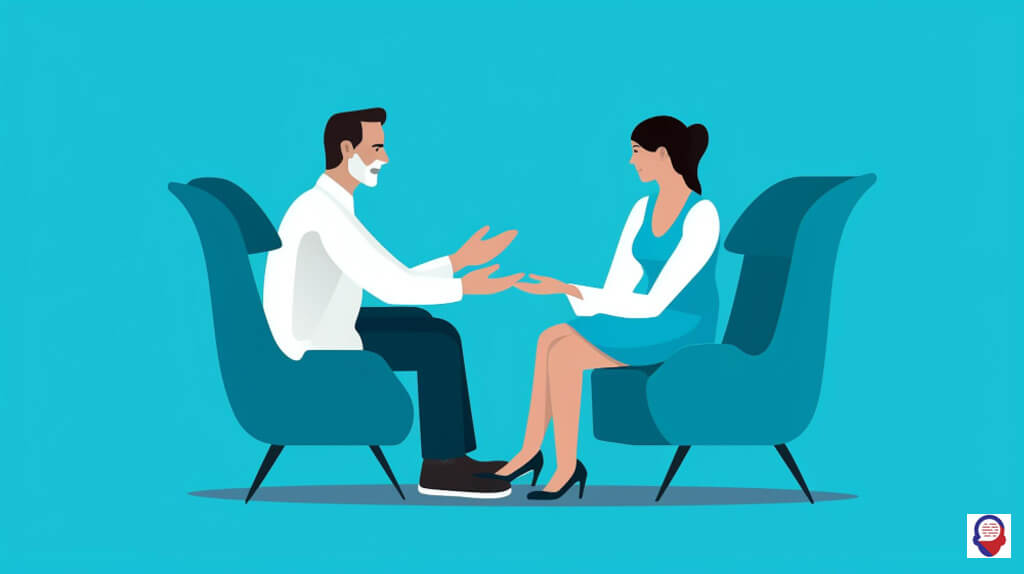
The first phase of therapy focuses on establishing physical and emotional safety, and teaching you skills to manage overwhelming emotions and symptoms. The goal is to build a solid foundation before addressing the trauma directly, ensuring you feel grounded and in control.

This phase is the bedrock of your entire recovery. The initial focus is on building the therapeutic alliance, the trusting and collaborative relationship between you and your therapist. This relationship is the safe harbour you will return to throughout your journey. You will also engage in psychoeducation, learning about C-PTSD and how it has impacted your brain, body, and emotions. This knowledge is empowering, it removes self-blame and helps you understand that your symptoms are normal responses to abnormal circumstances.
A significant portion of this phase is dedicated to building a practical toolkit of coping skills. You will learn grounding techniques to pull you back to the present moment when you feel dissociated or are experiencing a flashback. You will develop emotional regulation skills, learning to identify, tolerate, and manage intense feelings like rage, terror, or profound sadness without being swept away by them.
This phase also addresses the body. You will learn to notice the physical signals of stress and trauma held in your nervous system and begin to practice ways to soothe and calm your body. For some, this phase also involves establishing real-world safety, which may mean making changes in your life to ensure you are physically secure and away from any ongoing threat.

How Does the Trauma Processing Phase Work?
Once you feel stable and have coping skills, this phase involves carefully processing the traumatic memories and their associated emotions, beliefs, and physical sensations. This is done at your own pace with the therapist’s support to prevent re-traumatization and integrate the experiences into your life story.
This is not about forcing yourself to relive every detail of the past in a painful, uncontrolled way. Instead, it is a deliberate and supported process of revisiting memories from a place of adult strength and safety. With the skills you built in Phase One, you can now touch upon these difficult experiences without becoming completely overwhelmed. The therapist acts as a guide and anchor, ensuring the work happens within your window of tolerance.
The goal of this phase is to change your relationship with the past. It’s about metabolizing the trauma so that the memories no longer trigger a full-blown crisis response. They lose their toxic emotional charge and become integrated as a part of your history, rather than a defining feature of your present.
This work often involves a profound process of grieving. You will grieve for what was lost, whether it was a safe childhood, a sense of trust, or years of your life. This grief is a necessary and healthy part of healing, making space for a new future to emerge.

What is the Goal of the Integration and Reconnection Phase?
The final phase focuses on building a new life and a new sense of self, separate from the trauma. It’s about creating meaningful relationships, pursuing personal goals, and discovering a renewed sense of joy, purpose, and connection with the world.
With the weight of unprocessed trauma lifted, you now have the space to ask, "Who am I, beyond my trauma? What do I want for my life?" This phase is about looking forward. It involves consolidating the gains you’ve made and applying them to your daily life in a conscious way.
You will work on building a new, more compassionate self-narrative. The identity of "victim" or "broken person" begins to fade, replaced by the story of a resilient survivor who has navigated immense hardship and emerged with wisdom and strength. You will practice the skills of healthy relationships, learning to set boundaries, communicate your needs, and build intimacy based on trust and mutual respect.
This is the phase of reconnection. You may reconnect with hobbies and interests you once loved or discover new ones. You might reconnect with your community, your spirituality, or a sense of purpose through work or volunteering. Ultimately, this phase is about creating a life that is rich, meaningful, and authentically yours, a life defined not by what happened to you, but by who you have chosen to become.

What Types of Therapy Are Effective for C-PTSD?
There is no single "best" therapy for C-PTSD, but effective approaches are typically phased, trauma-informed, and integrate different techniques. The most successful therapies focus on the therapeutic relationship, emotional regulation, and both top-down (cognitive) and bottom-up (somatic) processing to heal the whole person.

Because C-PTSD affects the mind, body, and spirit, a holistic approach is essential. "Top-down" therapies work with your thoughts and beliefs to change your feelings and behaviours. "Bottom-up" therapies work with your body and nervous system to release stored trauma and regulate your physical state. The most powerful healing often happens when these approaches are combined.
The choice of therapy often depends on your specific symptoms, your personal preferences, and the expertise of your therapist. Many skilled C-PTSD therapists are trained in multiple modalities and will tailor their approach to fit your unique needs as you move through the different phases of treatment.
How Can EMDR Help with Complex Trauma?
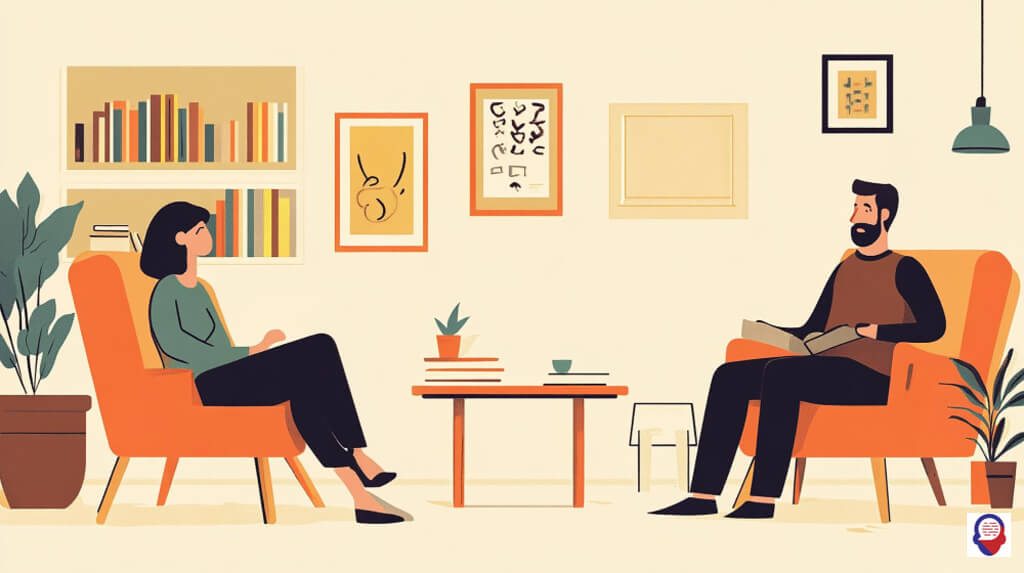
Eye Movement Desensitization and Reprocessing (EMDR) helps by using bilateral stimulation, such as eye movements, to help the brain reprocess and store traumatic memories in a less distressing way. For C-PTSD, it is carefully adapted to be slower, with a heavy emphasis on building resources and stability before any memory work begins.
EMDR is not just about moving your eyes back and forth. It is a comprehensive, eight-phase therapeutic approach. When used for C-PTSD, a skilled therapist will spend a significant amount of time, sometimes many months, in the initial phases. This involves extensive "resourcing," where you build up an internal library of calming, strengthening, and protective imagery and sensations.
You might work on developing a mental "safe place" in vivid detail or imagine a team of wise and protective figures to support you. Only when these internal resources are strong and easily accessible does the therapist begin to gently target traumatic memories. This careful, preparatory work is what makes EMDR a safe and profoundly effective tool for healing the deep wounds of complex trauma.

What is Somatic Experiencing?
Somatic Experiencing (SE) is a body-focused therapy that helps release traumatic shock held in the nervous system. It works by gently guiding your attention to physical sensations, allowing your body to complete the self-protective responses, like fight or flight, that were frozen during the trauma.
When we face an overwhelming threat and cannot fight or flee, that immense survival energy gets trapped in our nervous system. SE operates on the principle that this trapped energy is at the root of many trauma symptoms. The therapy does not require you to talk extensively about the story of what happened. Instead, it focuses on what is happening in your body right now.
Your therapist will help you gently track your physical sensations, a practice called "felt sense." Using techniques like "titration," you will touch on a tiny, manageable piece of traumatic activation and then immediately guide your system back to a place of resource and calm. This back-and-forth process, known as "pendulation," gradually helps the nervous system discharge the stored energy and return to a state of balance. It is a slow, gentle way of teaching your body that the danger has passed.

How is Dialectical Behaviour Therapy (DBT) Used?
Dialectical Behaviour Therapy (DBT) is not a trauma-processing therapy itself, but it is exceptionally useful in the stabilization phase of C-PTSD treatment. It provides concrete, practical skills for managing overwhelming emotions, tolerating distress, improving relationships, and practicing mindfulness.
DBT is like a masterclass in emotional and psychological survival skills. For individuals with C-PTSD who struggle with intense emotional dysregulation, suicidal thoughts, or self-harm, DBT can be life-saving. It provides the tools needed to build the foundation of stability upon which all other trauma work can rest.
The therapy is taught through four key skill modules. Mindfulness teaches you how to be present in the moment without judgment. Distress Tolerance gives you concrete strategies to get through a crisis without making it worse. Emotion Regulation helps you understand your emotions and gives you ways to manage them effectively. Finally, Interpersonal Effectiveness teaches you how to assert your needs, set boundaries, and navigate conflict in relationships. These skills are invaluable for anyone recovering from C-PTSD.

What About Other Relational and Parts-Based Therapies?
Therapies like Internal Family Systems (IFS) and other psychodynamic or relational approaches are also highly effective for C-PTSD. They focus on understanding the different "parts" of your personality that developed to cope with trauma and on using the therapeutic relationship itself as a vehicle for healing.

Internal Family Systems, or IFS, works from the compassionate premise that we are all made up of various "parts." For someone with C-PTSD, you might have a young, exiled "part" that holds all the pain and fear, and a fierce "protector" part that manifests as anger or control to keep that pain from surfacing. IFS therapy helps you connect with your core, undamaged "Self," which can then lead and heal these internal parts with compassion and understanding.
Trauma-informed psychodynamic therapy focuses on how early experiences, particularly damaging relational patterns, are replayed in your current life and relationships. The therapy room becomes a safe laboratory where these patterns can be observed and understood. The therapist helps you to have a new, healthier relational experience, which over time, helps to heal the original attachment wounds.

How Do I Find the Right Therapist for C-PTSD?
Finding the right therapist involves looking for someone with specific training and experience in complex trauma, with whom you feel safe, respected, and understood. The quality of the therapeutic relationship is the single most important factor in your healing, so it is vital to find a good fit.
Begin your search by looking for professionals who explicitly state that they specialize in "complex trauma," "C-PTSD," or "developmental trauma." Look for certifications in trauma-specific modalities like EMDR, Somatic Experiencing, or IFS. Do not hesitate to ask potential therapists about their training and experience during an initial consultation call.
The most crucial part of the process is assessing the relational fit. When you speak with them, ask questions like, "Can you describe your approach to treating C-PTSD?" and listen for mentions of a phased model and the importance of safety. Ask, "How do you help clients manage overwhelming feelings during sessions?"
Pay close attention to how you feel during the conversation. Do you feel heard and not judged? Does the therapist’s presence feel calming or grounding? Do you feel a sense of hope after speaking with them? Trust your intuition. It is perfectly acceptable to speak with several therapists before you find the one who feels right for you. This choice is an investment in your well-being.
Frequently Asked Questions

How long does therapy for C-PTSD take?
There is no set timeline for C-PTSD therapy, as it is a deeply personal journey. Because it involves rebuilding a sense of self and learning new ways of relating to the world, it is a long-term process that often takes several years. The focus should always be on your individual pace and steady progress, not on speed.

Can C-PTSD be cured?
While the memories of what happened will always be a part of your history, healing from C-PTSD means its symptoms no longer control your daily life. "Cure" in this context means integration. It means you can live a full, meaningful life with emotional stability, healthy relationships, and a strong sense of self, unburdened by the constant weight of the past.

Is medication necessary for C-PTSD?
Medication is not a cure for the root causes of C-PTSD, but it can be an incredibly helpful tool, particularly during the stabilization phase. Certain medications, like antidepressants or anti-anxiety drugs, can help manage debilitating symptoms like severe depression, panic, or insomnia. This can make it possible for you to engage more fully in the deep work of therapy. This is a decision that should always be made in consultation with your GP or a psychiatrist.

What if I can’t remember all of my trauma?
It is extremely common for people with C-PTSD to have significant gaps in their memory of the trauma. This is a protective function of the brain called dissociation. You do not need a complete, linear narrative of every event to heal. Many effective C-PTSD therapies, especially body-based approaches like Somatic Experiencing or parts-based models like IFS, can work directly with the emotions, beliefs, and physical sensations held in the body, without requiring a detailed verbal account of the past.
Your story matters, and your healing is possible. The courage it takes to even consider this path is immense. At Counselling-uk, we provide a safe, confidential, and professional place to navigate the journey of recovery from complex trauma. Our dedicated therapists are here to support you through all of life’s challenges, offering a steady hand in a safe space. When you are ready to take the first step, we are here to listen.