
Unlock Your Mental Well-being with Online CBT
In today’s fast-paced world, finding time for mental health can feel like another item on an already overflowing to-do list. The very thought of scheduling appointments, commuting, and sitting in a waiting room can be a source of stress in itself. But what if you could access one of the most effective, evidence-based therapies from the comfort and privacy of your own home? This is the promise of online Cognitive Behavioural Therapy, or CBT, a revolutionary approach that is making mental health support more accessible than ever before. It’s a powerful tool, a new way of engaging with therapy that fits into the modern world. This guide will explore everything you need to know about this transformative practice.

What Is Cognitive Behavioural Therapy?
Cognitive Behavioural Therapy is a type of talking therapy that helps you manage your problems by changing the way you think and behave. It is a practical, goal-oriented approach focused on the here and now. Unlike some other therapies that delve deep into your past to understand the root of your issues, CBT focuses on identifying and solving current problems. It operates on the core principle that your thoughts, feelings, physical sensations, and actions are all interconnected, and that negative thoughts and feelings can trap you in a vicious cycle. CBT aims to break these cycles.

How does this therapy help you?
This therapy helps you by equipping you with practical skills and strategies to deal with your difficulties in a more positive and effective way. It teaches you to recognise the specific thoughts that lead to self-destructive feelings and behaviours. You learn to challenge these cognitive distortions and replace them with more balanced and realistic ones. It’s not about simple positive thinking, but about developing a more helpful perspective. By changing your thinking patterns, you can change how you feel and what you do.

What are the core principles of CBT?
The core principle of CBT is that our thoughts, not external events, determine our feelings and behaviours. It is our interpretation of a situation, rather than the situation itself, that causes our emotional distress. The therapy is structured and collaborative, meaning you and your therapist work together as a team to set goals and work towards them. It is also time-limited, typically lasting for a set number of sessions, because the goal is to teach you to become your own therapist. The focus is always on skill-building, giving you tools you can use for the rest of your life.

How Does Online CBT Work?
Online CBT delivers the principles and techniques of traditional Cognitive Behavioural Therapy through digital platforms. This can include video conferencing, secure messaging apps, dedicated websites, or mobile applications. It allows you to connect with a qualified therapist and engage in structured sessions without needing to be in the same physical location. The fundamental therapeutic process remains the same, but the delivery method is adapted for a virtual environment. You still work through modules, complete exercises, and learn coping strategies, all with the guidance and support of a professional.

What are the different types of online CBT?
There are two main forms of online CBT, each offering a different level of support. The first is therapist-led online CBT, which most closely resembles traditional therapy. You have scheduled appointments with a therapist via video call, where you talk through your challenges and work on CBT exercises in real-time. The second is self-guided or computerised CBT, where you work through a pre-designed online program at your own pace. These programs often include educational modules, interactive tools, and worksheets. Some self-guided programs offer periodic check-ins or messaging support from a therapist or coach, creating a blended model.

How do you interact with a therapist online?
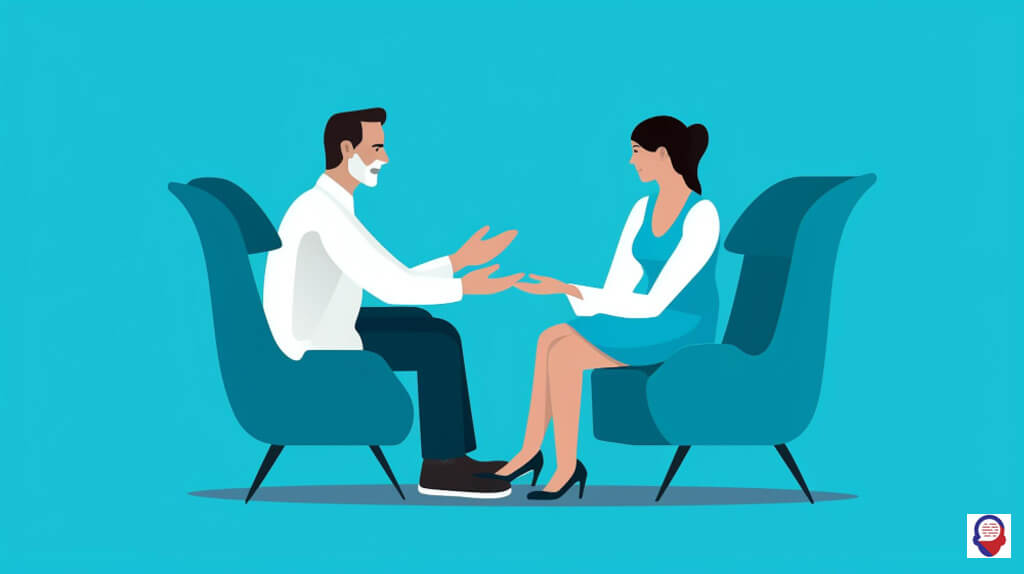
Interaction with a therapist online typically happens through secure and confidential platforms. The most common method is live video sessions, which create a face-to-face experience and allow for real-time conversation and feedback. This format helps build a strong therapeutic alliance, which is a crucial component of successful therapy. Many platforms also offer secure messaging systems. This allows you to communicate with your therapist between sessions, ask questions, or share insights as they arise, providing a continuous thread of support. You might also submit completed worksheets or thought records through the platform for your therapist to review.
What kind of activities are involved?
The activities involved in online CBT are very similar to those in face-to-face therapy and are designed to be practical and engaging. A key activity is learning to identify and challenge your negative automatic thoughts. You might use a digital worksheet, often called a thought record, to log a situation, the thoughts it triggered, the resulting emotions, and then work to find a more balanced alternative thought. You will also be assigned behavioural experiments. These are real-world tasks designed to test the validity of your negative beliefs and help you practice new, more helpful behaviours. For example, if you have social anxiety, a behavioural experiment might involve starting a brief, low-stakes conversation with a cashier.

What Are the Major Benefits of Choosing Online CBT?
The primary benefit of choosing online CBT is its unparalleled accessibility and convenience. It removes geographical barriers, allowing you to connect with a specialist therapist who might be located hundreds of miles away. Therapy can fit around your life, not the other way around. You can schedule sessions during your lunch break, in the evening after your kids are asleep, or whenever works best for you, eliminating travel time and costs. This flexibility makes it easier for people with busy schedules, mobility issues, or those living in remote areas to get the help they need.

Is it more affordable than traditional therapy?
In many cases, online CBT can be more affordable than traditional in-person therapy. Therapists who operate exclusively online may have lower overhead costs, such as office rent, and can sometimes pass these savings on to their clients. Furthermore, self-guided or computerised CBT programs are often significantly less expensive than one-on-one therapy. It’s important to remember that you also save on associated costs like transportation and childcare, which can make a substantial difference to your overall budget.

Does it offer more privacy?
For many people, the privacy offered by online CBT is a significant advantage. The idea of being seen walking into a therapist’s office can be a barrier for some, due to social stigma or personal anxiety. Online therapy allows you to receive support from the sanctuary of your own home, a space where you feel safe and comfortable. All reputable online therapy platforms use secure, encrypted technology to ensure your sessions and communications are confidential, protecting your privacy just as rigorously as an in-person clinic.

Is it just as effective?
Yes, for many common mental health conditions, research has shown that online CBT is just as effective as face-to-face CBT. Numerous studies have demonstrated its success in treating depression, anxiety disorders, panic disorder, phobias, and obsessive-compulsive disorder (OCD). The effectiveness often depends on the individual and the specific program. For therapist-led online CBT, the quality of the therapeutic relationship remains a key factor, just as it does in person. For self-guided programs, the user’s motivation and commitment to completing the modules are crucial for success.

Who Can Benefit From Online CBT?

Online CBT is a versatile therapy that can benefit a wide range of individuals struggling with specific mental health challenges. It is particularly well-suited for people who are comfortable with technology and prefer a structured, practical approach to problem-solving. If you are self-motivated and willing to actively participate in exercises and homework between sessions, you are an excellent candidate. It is also a fantastic option for those whose schedules or location make attending in-person appointments difficult.

What conditions does it effectively treat?
Online CBT has a strong evidence base for effectively treating a variety of mental health conditions. It is considered a first-line treatment for depression and many types of anxiety disorders, including generalised anxiety disorder (GAD), social anxiety, and panic disorder. It is also highly effective for obsessive-compulsive disorder (OCD), phobias, and post-traumatic stress disorder (PTSD). Beyond these, its principles can be applied to help manage issues like insomnia, chronic pain, anger management, and low self-esteem.

When might online CBT not be the best choice?
While incredibly effective, online CBT is not a one-size-fits-all solution. It may not be the best choice for individuals with severe and complex mental health issues, such as psychosis, severe substance use disorders, or active suicidal ideation. These conditions often require a more intensive, in-person level of care and a multidisciplinary team. Additionally, if you are in an immediate crisis, online therapy may not be able to provide the instant, emergency support you need. It’s also less suitable for those who have an unstable internet connection or are not comfortable using digital technology.

How to Get Started and Make the Most of It
Getting started with online CBT begins with finding a qualified therapist or a reputable platform. It is crucial to ensure that any therapist you consider is properly accredited and licensed by a recognised professional body, such as the BACP or UKCP in the United Kingdom. Look for platforms that are transparent about their therapists’ credentials, their privacy policies, and their pricing. Many services offer an initial consultation or assessment, which is a great opportunity to see if the therapist and the platform are a good fit for you.

What should you look for in a provider?
When choosing a provider, look for qualifications and experience specific to CBT. A good therapist will be able to clearly explain the CBT model and how it will be applied to your specific problems. Consider the therapeutic relationship, even in an online setting. You should feel comfortable, respected, and understood by your therapist. Check reviews and testimonials, but also trust your own gut feeling during the initial consultation. The platform itself should be user-friendly, secure, and reliable.

What can you expect in the first session?
Your first online CBT session is primarily an assessment and an opportunity to build rapport. Your therapist will ask questions about what brought you to therapy, your current challenges, your symptoms, and your history. This is not an interrogation, but a collaborative process to understand your situation fully. Together, you will start to set some initial, achievable goals for therapy. The therapist will also explain how CBT works, what you can expect from the process, and what will be expected of you, particularly regarding work between sessions.

How can you ensure you get the best results?
To get the best results from online CBT, you must be an active participant in your own recovery. The real work of CBT often happens between sessions. It is vital that you consistently complete the homework and practice the skills you are learning. This might mean filling out thought records, facing feared situations in a planned way, or trying out new behaviours. Be open and honest with your therapist about your progress and any difficulties you are facing. The more you put into the process, the more you will get out of it.

What practical steps can help you succeed?
There are several practical steps you can take to enhance your online therapy experience. First, create a dedicated space for your sessions. Choose a private, quiet, and comfortable location where you will not be interrupted. Ensure you have a stable internet connection and test your audio and video before the session begins. Treat your online appointment with the same seriousness as an in-person one, turn off notifications on your phone and computer to stay focused. Finally, keep a notebook handy to jot down insights during or after your session, and to keep track of your homework and goals.
Frequently Asked Questions

How long does online CBT usually take?
The duration of online CBT can vary depending on the individual and the complexity of the issues being addressed. However, it is designed to be a time-limited therapy. A typical course of treatment for specific issues like anxiety or depression often ranges from 12 to 20 weekly sessions. Some individuals may experience significant benefits in fewer sessions, while others with more ingrained patterns may require a longer period of support.

Is my information kept confidential?
Yes, confidentiality is a cornerstone of any form of therapy, including online CBT. Reputable therapists and platforms are bound by the same professional ethics and data protection laws (like GDPR in the UK) as in-person services. They use secure, end-to-end encrypted communication platforms to ensure that your conversations and personal data are kept private and protected. Always check a provider’s privacy policy before you begin.
Can I use my phone for online CBT?
Absolutely. Many online therapy platforms are designed to be mobile-friendly, offering dedicated apps or websites that work seamlessly on a smartphone. This adds another layer of convenience, allowing you to have your session or access your materials from wherever you are. However, for video sessions, some people find that using a laptop or tablet provides a better experience due to the larger screen size.

What if I don’t “click” with my online therapist?
The therapeutic relationship is vital for success, and it’s perfectly okay if you don’t feel a connection with the first therapist you meet. Reputable online platforms understand this and usually make it easy to switch to a different therapist within their service. Don’t be discouraged, finding the right fit is part of the process, and it’s important that you feel comfortable and supported.

Your journey to mental wellness is unique, and it deserves a space that is safe, confidential, and professional. At Counselling-uk, we are dedicated to supporting you through all of life’s challenges, offering expert advice and help when you need it most. If you feel ready to explore how online CBT can help you understand your mind and build a more resilient future, our compassionate team is here to listen. Take the first, courageous step today.

Prepare Ahead of Time
4. Anonymity: Online CBT offers a level of anonymity that isn’t always found in traditional face-to-face counselling sessions which can be beneficial for people who may feel uncomfortable talking about their mental health in person or who prefer not to have their identity disclosed during treatment.
• Availability: Online CBT courses may be more readily available than traditional therapy sessions. This means that you can access treatment at your own convenience, without having to worry about scheduling conflicts or travelling long distances. However, it’s important to make sure that the course is offered by a qualified professional who has experience in providing CBT services.
The benefits of online CBT include increased access to care, convenience, privacy, and affordability. With online CBT, individuals can receive treatment regardless of their location or income level. Additionally, it allows for more flexibility in scheduling sessions and provides the opportunity for people to work with therapists who specialize in the treatment of their particular disorder.