
Thriving Together: A Guide to Family and Marriage Counseling
Every family has a story. It’s a complex narrative woven from shared joys, quiet struggles, individual personalities, and the intricate dance of daily life. Sometimes, the threads get tangled. Communication breaks down, conflicts simmer, and the connection that once felt so strong begins to fray. This is not a sign of failure, it’s a sign of being human. Family life and marriage counseling is a dedicated space to untangle those threads, offering a structured, supportive environment to rebuild, reconnect, and write a healthier, happier next chapter for your family’s story. It is a proactive step towards strengthening the most important relationships in your life.

What Exactly Is Family and Marriage Counseling?
It is a specialized form of psychotherapy designed to address the specific issues affecting the health and functioning of a family unit and the marital or couple relationship within it. A therapist works with the couple, and often other family members, to nurture change and development. The focus is on the relationships and the patterns of interaction between people, not just on one individual’s problems. It views challenges as existing within the system of the family, rather than belonging to a single person.
This therapeutic approach helps people in close relationships identify and resolve conflicts, improve their communication, and understand each other better. It provides tools and strategies to navigate disagreements, manage stress, and deepen emotional bonds. Ultimately, the goal is to create a more harmonious and supportive home environment for everyone involved.

How does it differ from individual therapy?
Individual therapy focuses on one person’s internal world, their thoughts, feelings, and personal history. In contrast, family and marriage counseling focuses on the system of relationships. The "client" is not one person, but the couple or the family unit itself. The therapist observes how you interact, communicate, and solve problems together, addressing the dynamics that create friction.
While an individual might discuss a marital problem in their solo session, the partner is not there to offer their perspective or participate in a solution. In couple or family therapy, everyone involved has a voice. The therapy happens in the space between you, targeting the patterns of communication and behavior that define your relationship. It is about changing the dance, not just one of the dancers.

Who should attend the sessions?
The attendees depend entirely on the issues at hand. For marital problems, sessions will typically involve just the two partners. However, when challenges impact the entire family, like parenting disagreements, a child’s behavioral issues, or tension with in-laws, it can be beneficial for other family members, including children and adolescents, to participate.
The therapist will guide this decision with you. Sometimes, sessions might alternate between the couple alone, the entire family, or even individual check-ins with different family members as part of the overall treatment plan. The key is to have the right people in the room to effectively address the specific relational dynamics causing distress.

When Should You Seek Professional Help?
You should consider seeking professional help when negative patterns of interaction become entrenched and you feel stuck. If communication consistently leads to arguments, if you’re avoiding important conversations, or if feelings of resentment, loneliness, or anger are becoming the norm, a therapist can provide the necessary guidance to get you back on track. It is a sign of strength, not weakness, to ask for help.
Many couples and families wait until a crisis point, like the discovery of an affair or the threat of separation. While counseling is crucial in these moments, it is often more effective when sought earlier. Think of it like a regular health check, it’s a way to proactively maintain the well being of your relationships before minor issues escalate into major fractures.

Are there specific warning signs?
Yes, there are several clear warning signs that your relationship or family dynamic could benefit from professional support. These include a noticeable breakdown in communication, where conversations are either non-existent or consistently hostile. Constant arguing about the same issues with no resolution is another major red flag.
Other signs involve emotional and physical distance, a lack of intimacy, or feeling more like roommates than partners. If you find yourself frequently criticising your partner, feeling contemptuous, becoming defensive, or simply shutting down (stonewalling), these are known predictors of relationship distress. For families, escalating sibling rivalry, constant defiance from children, or a pervasive sense of tension in the home are indicators that it’s time to seek help.

Can counseling help even with ‘small’ problems?
Absolutely. Counseling can be incredibly effective for addressing "small" problems before they grow. In fact, this is one of its most powerful applications. Seemingly minor issues, like disagreements over chores, differing parenting styles, or managing finances, can create persistent, low-grade stress that erodes connection over time.

Therapy provides a neutral space to address these nagging issues constructively. It equips you with communication tools to solve problems as a team, preventing small resentments from building into a mountain of unspoken anger. Engaging in counseling for these smaller challenges is a powerful act of preventative care for your relationship’s long-term health.

How Does the Counseling Process Work?
The counseling process is a collaborative journey where you and your therapist work together to achieve your relationship goals. It begins with an assessment phase, where the therapist gets to know you, understands the history of your relationship, and identifies the core issues you want to address. From there, you will work together to set clear, achievable goals for your therapy.
Subsequent sessions involve guided conversations, exercises, and learning new skills aimed at improving communication and resolving conflict. The therapist acts as a facilitator and coach, ensuring discussions remain productive and safe. The process is not about blaming one person, but about understanding the system and finding new, healthier ways to relate to one another.

What can we expect in the first session?
The first session is primarily about assessment and building a rapport with your therapist. You can expect the therapist to ask a lot of questions about your relationship history, your family backgrounds, what brought you to counseling, and what you hope to achieve. This is a chance for the therapist to understand your unique dynamic and for you to see if the therapist is a good fit for you.
Each person will have an opportunity to share their perspective on the problems without interruption. The therapist will explain their approach, the rules of confidentiality, and the structure of future sessions. You should leave the first session with a sense of clarity about the process and a feeling of being heard and understood.

What therapeutic approaches are used?
Therapists use several evidence-based approaches, often integrating techniques to best suit your family’s needs. One common framework is Family Systems Theory, which views the family as an emotional unit and uses this system to understand the complex interactions within the group. The focus is on how each person’s behavior affects the others and the system as a whole.
Another powerful method is Emotionally Focused Therapy (EFT), which helps couples and families understand and change their emotional responses to one another. It aims to create a more secure emotional bond by helping partners express their deeper, underlying needs and fears. The Gottman Method is also widely used, focusing on practical skills to deepen friendship and intimacy, manage conflict constructively, and create shared meaning.

What is the therapist’s role?
The therapist’s role is to be a neutral, objective, and supportive guide. They are not a judge who decides who is right or wrong. Instead, they act as a facilitator, helping to create a safe environment where difficult conversations can happen productively. They are also a teacher, providing you with new tools and skills for communication and conflict resolution.
A therapist observes patterns of interaction that you may be too close to see. They will help you identify and interrupt negative cycles and guide you in creating new, more positive ones. Their job is to empower you to become your own relationship experts, so you can continue to thrive long after therapy has concluded.

How long will therapy last?
The duration of therapy varies greatly depending on the complexity of the issues and the goals you set. Some couples or families may find that a short-term, solution-focused approach of 8 to 12 sessions is enough to resolve a specific issue and learn new skills. This is often the case when addressing a particular challenge, like a communication breakdown or a specific life transition.
For more deep-seated, long-standing problems, such as recovering from infidelity or addressing complex family dynamics, therapy may be a longer-term process lasting several months or more. The pace is determined collaboratively between you and your therapist. The ultimate goal is not to keep you in therapy forever, but to equip you with the insights and tools you need to successfully navigate your relationship on your own.

What Are the Core Benefits of This Therapy?
The primary benefit of family and marriage counseling is the creation of a healthier, more resilient relationship system. It fosters a deeper understanding between partners and family members, replacing assumptions and misunderstandings with genuine insight into each other’s perspectives and emotional worlds. This leads to a profound increase in empathy and emotional connection.

Therapy provides a structured way to heal past hurts and rebuild trust in a safe environment. It breaks destructive cycles of conflict and replaces them with constructive problem-solving skills. The long-term benefits extend beyond the couple, creating a more stable and nurturing environment for children and modeling healthy relationship dynamics for future generations.

Can it improve communication?
Yes, improving communication is a central pillar of family and marriage counseling. Therapy teaches you not just what to say, but how to say it, and just as importantly, how to listen. You will learn skills for active listening, which involves truly hearing and understanding your partner’s perspective before formulating your own response.
Therapists help you move away from destructive communication patterns like blaming, criticising, or shutting down. You will learn to express your needs and feelings using "I" statements, which reduces defensiveness and opens the door for genuine dialogue. This shift transforms communication from a source of conflict into a tool for connection and problem-solving.

How does it help with conflict resolution?
Counseling fundamentally changes how you approach conflict, reframing it from a battle to be won into a problem to be solved together. A therapist helps you identify the negative cycle of interaction that your arguments typically follow. Once you can see the pattern, you can learn to interrupt it before it escalates.
You will learn techniques to de-escalate tension, to take breaks when conversations get too heated, and to return to the issue later with a calmer mindset. The focus shifts from winning the argument to understanding the underlying needs and dreams beneath each person’s position. This allows for compromise and collaboration, strengthening the relationship bond even when you disagree.

Can it strengthen emotional bonds?
Absolutely. Strengthening emotional bonds is at the heart of effective therapy. Many conflicts arise not from the topic of the argument, but from a deeper, unspoken fear of disconnection. Partners may be asking, "Are you there for me? Do I matter to you? Can I count on you?".
Therapy, particularly approaches like EFT, helps bring these underlying emotional needs to the surface in a safe way. By learning to express vulnerability and respond with empathy, partners can create a secure attachment bond. This renewed sense of safety and connection fosters greater intimacy, affection, and a shared feeling of being a team.
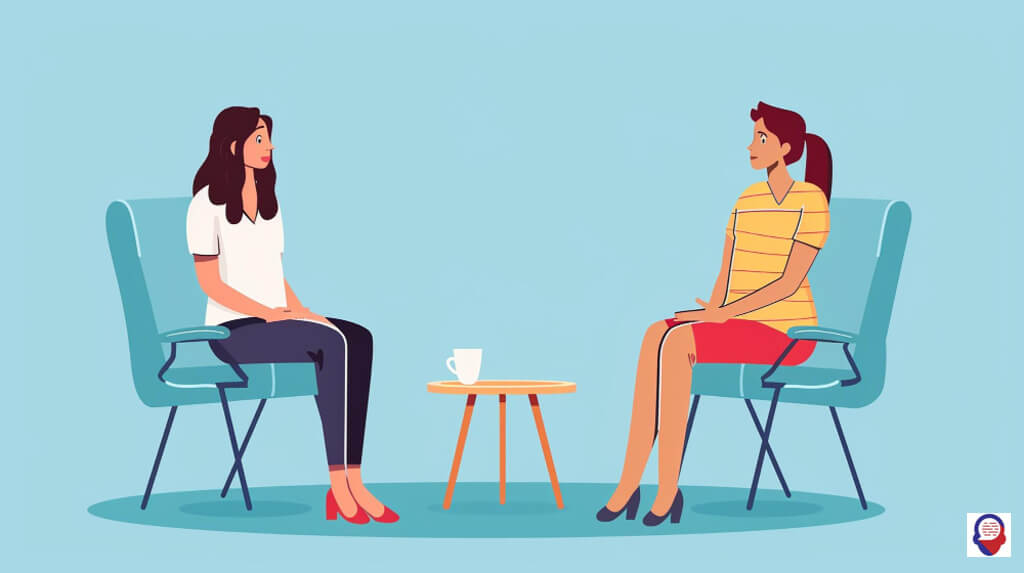
What Common Issues Does Counseling Address?
Counseling can address a vast spectrum of issues that disrupt family and marital harmony. This includes major life transitions like the birth of a child, a new job, or children leaving home, which can upset the established balance of a relationship. It is also highly effective for blended family issues, helping to navigate the complexities of stepparenting and co-parenting relationships.
Furthermore, therapy provides a forum to tackle external stressors that put a strain on the family unit, such as financial pressures, chronic illness, or grief and loss. It also addresses internal dynamics like differing values, a loss of intimacy, or simply the feeling of having grown apart over time. Essentially, any issue that creates persistent conflict or emotional distance can be effectively addressed in counseling.

How does it handle parenting disagreements?
Parenting disagreements are a common source of marital conflict, and therapy provides a structured way to resolve them. A therapist helps couples move beyond the "right way" versus "wrong way" debate and instead focus on creating a unified parenting front. The goal is to understand the values and fears that inform each partner’s parenting style.
The process involves identifying shared goals for your children and developing strategies that both parents can support. This reduces confusion for the children and lessens the tension between the parents. It transforms parenting from a point of contention into an area of teamwork and collaboration.
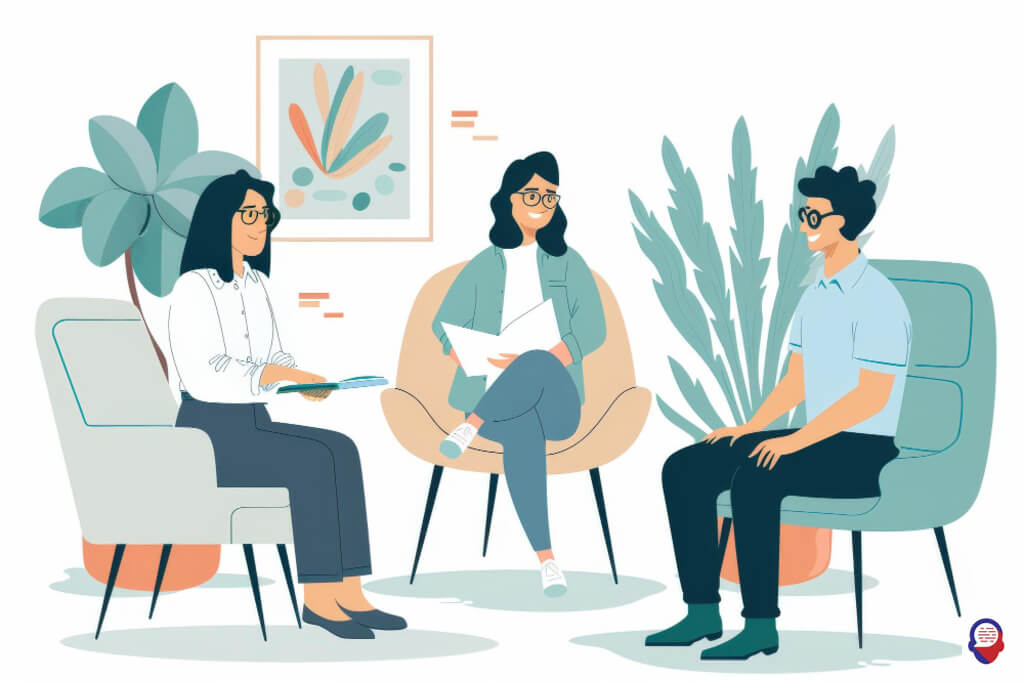
Can it help with financial stress?
Yes, counseling can be extremely helpful for navigating financial stress. Money is rarely just about money, it often represents deeper issues of power, security, freedom, and trust. A therapist can help you and your partner uncover the emotional meanings you each attach to money.

The therapeutic space allows for calm, non-judgmental conversations about finances, which are often too emotionally charged to have at home. You can work together to create a shared financial vision, develop a budget that reflects both of your values, and learn to discuss money as a team, reducing conflict and building financial intimacy.

What about infidelity or trust issues?
Counseling is a critical resource for couples navigating the profound pain of infidelity and broken trust. It provides a safe, structured process to manage the intense emotions of the crisis phase. The therapist guides the couple through the difficult conversations required for understanding, accountability, and expressing remorse.
The therapeutic process focuses on helping the betrayed partner heal from the trauma and helping the unfaithful partner understand the root causes of their actions. While it is a challenging path, therapy offers a roadmap for rebuilding the relationship on a new foundation of honesty and commitment. For many couples, it is the only way to successfully move forward together after such a deep breach of trust.

How Can We Prepare for Our First Session?
Preparing for your first session can help you make the most of it. Before you go, take some time for individual reflection. Think about what you see as the main problems, but also consider what is still good about your relationship. What are your hopes for what counseling can achieve?
It is also helpful to discuss your goals as a couple. Try to agree on one or two key issues you would like to address first. This doesn’t mean you have to solve them, just identify them. Most importantly, try to enter the process with an open mind and a willingness to be honest, both with the therapist and with each other. Remember that the goal is not to assign blame, but to create positive change.
Frequently Asked Questions

Is what we say in therapy confidential? Yes, confidentiality is a cornerstone of therapy. A registered and accredited therapist is bound by a strict code of ethical conduct, which means everything you share in your sessions is kept private. The only exceptions are rare circumstances where there is a risk of serious harm to yourself or others, particularly a child, which the therapist is legally obligated to report. Your therapist will explain the specific limits of confidentiality in your first session.

What if my partner refuses to go? This is a common situation. You cannot force someone to attend therapy. However, you can start the process on your own. Individual therapy focused on your relationship dynamics can still be incredibly beneficial. You can learn new coping skills, understand your role in the relationship patterns, and make changes that can positively impact the entire system. Sometimes, when one partner begins making positive changes, the other becomes more open to joining the process later.

Is it a sign that our relationship is failing? No, seeking counseling is not a sign of failure. On the contrary, it is a sign of courage, commitment, and hope. It shows that you value your relationship enough to invest time and effort into making it better. Acknowledging that you need help and taking proactive steps to get it is a profound act of strength. It means you are choosing to fight for your family’s future.

Will the therapist take sides? A professional and ethical family and marriage counselor will not take sides. Their client is the relationship itself, not one individual over the other. Their role is to remain neutral and objective, helping each person feel heard and understood while focusing on the patterns of interaction between you. If you ever feel that a therapist is consistently siding with one person, it is important to address this concern directly in the session.
Your family’s story is still being written, and you are the authors of the next chapter. At Counselling-uk, we provide a safe, confidential, and professional place to help you navigate life’s challenges together. We offer dedicated support for strengthening your connections and building a more resilient future. Reach out today to begin your journey toward healing and growth.

In reflection, family life marriage counseling is an invaluable tool for many couples and families. It can help couples strengthen their bond by providing an opportunity to talk through challenges and find solutions that work best for them. Counseling can also give individuals the opportunity to express their feelings in a safe space and gain insight into their own behavior. With the help of family life marriage counseling, couples can create a stronger foundation for their relationship.