
Finding Your Path to Recovery with an Addictions Counsellor
Reaching out for help is one of the bravest, most difficult steps a person can take. The journey away from addiction often feels lonely, a winding path shrouded in shame and uncertainty. But you do not have to walk it alone. An addictions counsellor can be the guide who illuminates that path, a steady presence offering expertise, compassion, and unwavering support as you navigate the complex terrain of recovery and reclaim your life.
This journey is about more than just stopping a behaviour, it is about healing the person underneath. It is about understanding the roots of the pain and building a new foundation for a future defined by freedom, not by a substance or a compulsion. This is the work you do with an addictions counsellor, a collaborative partner dedicated to your well-being.

What Exactly Is an Addictions Counsellor?
An addictions counsellor is a trained mental health professional who specialises in helping individuals overcome dependencies on substances or compulsive behaviours. They provide targeted support, evidence-based therapies, and a safe, non-judgmental space for people to explore the underlying causes of their addiction and develop strategies for lasting recovery.
Unlike a general therapist who may cover a broad range of mental health issues, an addictions counsellor possesses specific expertise in the science and psychology of dependency. They understand the neurological changes addiction causes, the common psychological patterns that sustain it, and the most effective therapeutic interventions to address it. Their training is laser-focused on the unique challenges faced by those in recovery.
This specialisation is crucial. Addiction is not a moral failing or a lack of willpower, it is a complex brain disorder. A dedicated counsellor appreciates this nuance, approaching your situation with a deep understanding of the biological, psychological, and social factors at play. They are equipped to handle the intricacies of withdrawal, cravings, relapse, and the co-occurring mental health conditions, like anxiety or depression, that often accompany addiction.

How Can a Counsellor Help with Addiction?
A counsellor helps with addiction by providing the tools, strategies, and emotional support needed to break the cycle of dependence and build a sustainable, healthy life. They act as a combination of a guide, a teacher, and a supportive ally, empowering you to understand and manage your condition effectively.
Their role is multifaceted. It begins with creating a secure and confidential environment where you feel safe enough to be vulnerable. From there, they help you dissect the complex nature of your addiction, create personalised treatment plans, and navigate the inevitable ups and downs of the recovery process. They don’t just tell you what to do, they work with you to discover what works for you.

Do They Help Identify Addiction Triggers?
Yes, a core function of an addictions counsellor is to help you identify the specific people, places, feelings, and situations that trigger your cravings and addictive behaviours. This process is a foundational step in gaining control over your responses and preventing relapse.
Triggers can be obvious, like walking past a pub, or incredibly subtle, like a particular time of day or a fleeting feeling of boredom. Your counsellor will work with you like a detective, helping you trace your patterns of use back to their source. Through guided conversation and reflective exercises, you begin to see the intricate web of cues that lead to the behaviour you want to change.
Once these triggers are brought into the light, they lose much of their power. Your counsellor will then help you develop proactive plans to either avoid those triggers where possible or manage your response to them when they are unavoidable. This transforms you from being a passive reactor to an active agent in your own recovery.

Can They Teach Coping Mechanisms?
Absolutely, teaching new and healthy coping mechanisms is one of the most vital services an addictions counsellor provides. Addiction often develops as a maladaptive way to cope with stress, pain, or difficult emotions, so learning alternative strategies is essential for long-term success.
These are not just generic tips, they are practical, evidence-based skills tailored to your specific needs. Your counsellor might introduce you to mindfulness techniques to help you sit with uncomfortable feelings without needing to escape them. They may use cognitive behavioural approaches to help you challenge and reframe the negative thought patterns that fuel your addiction.

You will learn skills for emotional regulation, stress management, and improved communication. The goal is to build a robust toolkit of healthy responses to life’s challenges. Instead of reaching for a substance or engaging in a compulsive behaviour, you will have a range of effective alternatives to draw upon, strengthening your resilience and self-reliance.

Will They Help Me Rebuild Relationships?
Yes, an addictions counsellor can play an instrumental role in helping you mend and rebuild relationships that have been damaged by addiction. They understand that addiction rarely exists in a vacuum, it profoundly impacts family, friends, and partners, often eroding trust and creating deep wounds.
Counselling provides a safe space to explore these relational dynamics. Your counsellor can help you understand the impact your behaviour has had on others and develop the communication skills needed to express remorse, take accountability, and begin the process of making amends. They can coach you on setting healthy boundaries and re-establishing trust through consistent, positive actions.
In some cases, the counsellor may recommend or facilitate family therapy sessions. This brings loved ones into the therapeutic process, allowing for mediated conversations that foster mutual understanding and healing. Rebuilding relationships is a delicate process, and a counsellor provides the expert guidance needed to navigate it constructively.

Do They Support Long-Term Recovery?
Yes, an addictions counsellor is focused on helping you achieve and maintain long-term recovery. Their work extends far beyond the initial phase of stopping the addictive behaviour, it is about building a life where sobriety is not just possible, but sustainable and fulfilling.
A significant part of this involves creating a comprehensive relapse prevention plan. This is a personalised strategy that outlines your known triggers, your coping skills, and your support network. It is a living document that you and your counsellor develop together, serving as a roadmap to navigate challenging situations in the future.
The counsellor also helps you envision and build a life that you don’t want to escape from. This can involve exploring new hobbies, setting meaningful career or educational goals, and connecting with supportive communities. They help you shift the focus from what you are giving up to what you are gaining: health, clarity, authentic relationships, and a renewed sense of purpose.
What Happens During the First Counselling Session?
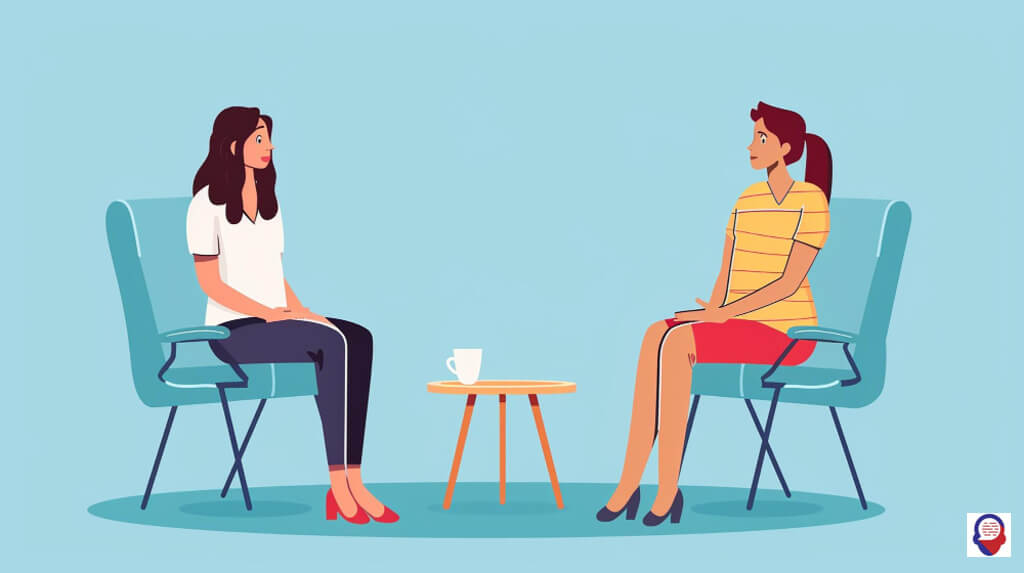
The first counselling session is primarily an assessment and an opportunity for you and the counsellor to get to know each other. The main goals are to gather information about your history, understand the nature of your addiction, and determine if you are a good therapeutic fit.
You will be asked to talk about your substance use or compulsive behaviour, including when it started, its frequency, and its impact on your life. The counsellor will also inquire about your personal history, family background, mental and physical health, and any previous attempts at recovery. This comprehensive intake helps them create a complete picture of your situation.
Crucially, this session is also for you to assess the counsellor. It is your chance to ask questions about their approach, their experience, and what you can expect from therapy. The most important outcome of a first session is the beginning of a trusting, therapeutic relationship, you should leave feeling heard, respected, and hopeful.

What Types of Therapy Do Addictions Counsellors Use?
Addictions counsellors use a variety of evidence-based therapeutic approaches, often integrating several methods to create a treatment plan tailored to the individual’s unique needs. There is no single "magic bullet" for addiction, so a skilled counsellor will draw from a diverse toolkit of proven techniques.
The choice of therapy depends on many factors, including the type of addiction, the presence of co-occurring mental health disorders, your personal history, and your own preferences. The counsellor’s goal is to find the approach, or combination of approaches, that resonates most with you and offers the best chance for success. They will explain why they are recommending a particular method and work collaboratively with you throughout the process.

What is Cognitive Behavioural Therapy (CBT)?

Cognitive Behavioural Therapy, or CBT, is a highly effective and widely used therapeutic approach for addiction that focuses on the interconnected relationship between your thoughts, feelings, and behaviours. The core principle of CBT is that by identifying and changing unhelpful thinking patterns, you can change your emotional responses and your actions.
In the context of addiction, a counsellor using CBT will help you recognise the automatic negative thoughts that lead to cravings and substance use. For example, you might explore a thought like, "I can’t handle this stress without a drink." The counsellor would then help you challenge the validity of that thought and develop a more balanced and realistic alternative, such as, "This is stressful, but I have other ways to cope that are better for me."
CBT is a practical, skills-based therapy. It equips you with tangible techniques to interrupt the cycle of addiction. You learn to anticipate challenging situations, deconstruct your thought processes in real-time, and consciously choose a different, healthier behaviour.

How Does Motivational Interviewing Work?
Motivational Interviewing is a collaborative, person-centred counselling style designed to strengthen an individual’s own motivation and commitment to change. It is particularly effective for people who feel ambivalent or uncertain about giving up their addiction, as it avoids confrontation and pressure.
Instead of telling you why you should change, a counsellor using Motivational Interviewing will ask open-ended questions to help you explore your own reasons for wanting to change. They will listen reflectively, helping you to resolve your internal conflict between continuing the addictive behaviour and making a positive change. The entire process is built on a foundation of partnership and respect for your autonomy.
The goal is to help you find the motivation from within. By talking through the pros and cons of your behaviour and envisioning a better future, your desire to change naturally grows stronger. It is a gentle yet powerful approach that empowers you to become the primary agent of your own recovery.

Is Group Therapy an Option?
Yes, group therapy is a very common and highly beneficial component of addiction treatment. An addictions counsellor may run or refer you to a therapy group, which provides a unique form of support that individual counselling cannot replicate.
In a group setting, you are surrounded by peers who genuinely understand what you are going through. This shared experience breaks down the profound sense of isolation that so often accompanies addiction. Hearing others’ stories validates your own struggles and provides powerful proof that recovery is possible.
Group therapy also offers a safe environment to practice new social and communication skills. You can receive feedback from others, offer support in return, and learn from the collective wisdom and experience of the group. It fosters a sense of community and accountability that can be a vital lifeline during the recovery journey.

What About Family Therapy?
Family therapy is often a crucial element of a comprehensive addiction treatment plan. Addiction is frequently called a "family disease" because it creates dysfunctional patterns and emotional distress that ripple out to affect partners, children, parents, and siblings.
An addictions counsellor trained in family systems can facilitate sessions with you and your loved ones. The goal is not to assign blame, but to improve communication, establish healthy boundaries, and help the entire family unit heal. It provides a structured forum for family members to express their feelings, fears, and frustrations in a constructive way.
Therapy helps the family understand the nature of addiction and learn how to best support your recovery without enabling the behaviour. It can transform relationships from sources of conflict and stress into pillars of strength and support, which is invaluable for long-term success.

How Do I Know If I Need an Addictions Counsellor?

You may need an addictions counsellor if your use of a substance or engagement in a behaviour is causing negative consequences in any area of your life. The key indicator is a loss of control, where you find yourself continuing the behaviour despite a genuine desire to stop or cut down.
Consider if the behaviour is impacting your health, your work or studies, your finances, or your relationships. Are you neglecting responsibilities or giving up activities you once enjoyed? Have friends or family expressed concern? Have you tried to quit on your own but found yourself unable to do so?
It is a common misconception that you must hit "rock bottom" before seeking help. This is not true. The sooner you reach out, the better. If you are questioning whether your behaviour is a problem, that is a strong enough reason to speak with a professional. An initial consultation can provide clarity and help you understand your options.

How Do I Find the Right Counsellor for Me?
Finding the right counsellor requires looking for a combination of professional qualifications, relevant experience, and, most importantly, a good personal connection. The relationship you build with your counsellor is one of the most significant predictors of a positive outcome.
Start by researching counsellors who explicitly state that they specialise in addiction. Look into their credentials and their preferred therapeutic approaches to see if they align with what you are looking for. Don’t be afraid to shop around and speak to a few different professionals before making a decision.

What Qualifications Should I Look For?
You should look for a counsellor who holds recognised qualifications and is a member of a reputable professional body. In the UK, this often means being registered with an organisation like the British Association for Counselling and Psychotherapy (BACP) or the UK Council for Psychotherapy (UKCP).
Membership in these bodies indicates that the counsellor has met rigorous standards for training, ethics, and ongoing professional development. Look for degrees in counselling, psychology, or a related field, as well as any postgraduate certifications or diplomas specifically in addiction studies. This ensures they have the foundational knowledge and specialised skills to help you effectively.

Why Is the Therapeutic Relationship Important?
The therapeutic relationship is profoundly important because healing from addiction requires a huge amount of vulnerability and trust. You need to feel safe, respected, and understood by your counsellor to do the deep, often difficult work that recovery entails.
A strong therapeutic alliance, as it’s known in the field, creates the foundation upon which all progress is built. When you trust your counsellor, you are more likely to be open and honest, more willing to try new strategies, and more resilient when you face setbacks. This connection is the engine of change in the counselling process.
Can I Ask a Counsellor Questions Before Starting?
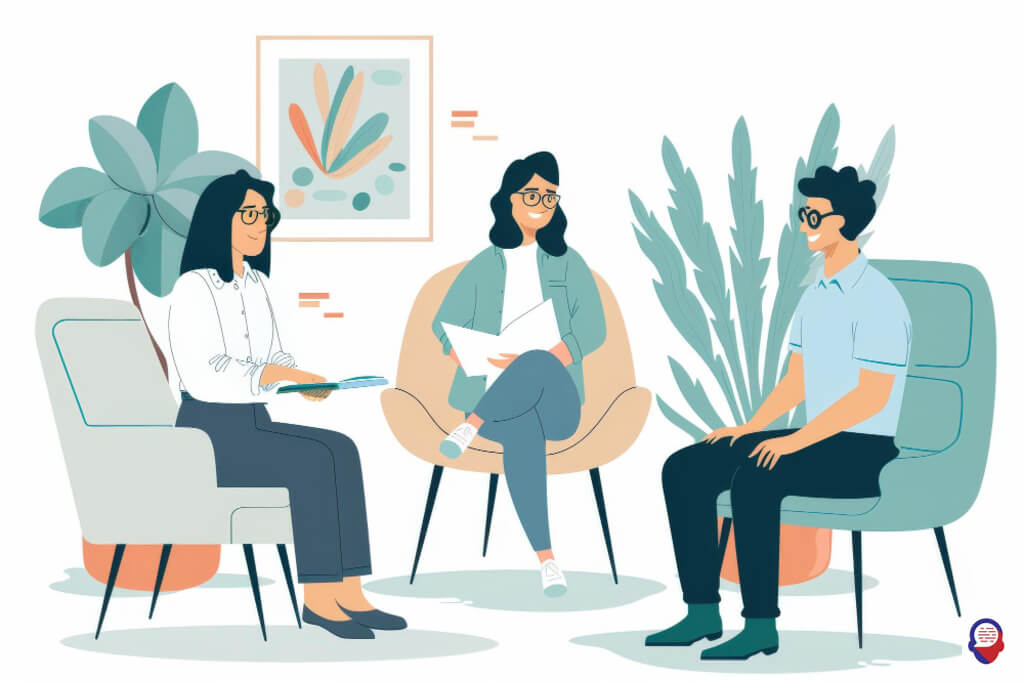
Yes, you absolutely can and should ask a counsellor questions before committing to therapy. Most counsellors offer a brief, free initial phone or video consultation for this very purpose. This is your opportunity to interview them and get a feel for their personality and style.
Prepare a few questions in advance. You might ask about their experience with your specific type of addiction, what a typical session with them looks like, their views on relapse, or their fee structure. Pay attention not just to their answers, but to how you feel talking to them. Do you feel comfortable? Do they seem empathetic and knowledgeable? Trust your gut instinct.

What if I Relapse During Treatment?
If you relapse during treatment, it is essential to understand that it is not a sign of failure, but a common and often instructive part of the recovery process. The first and most important step is to be honest with your counsellor about what happened as soon as possible.
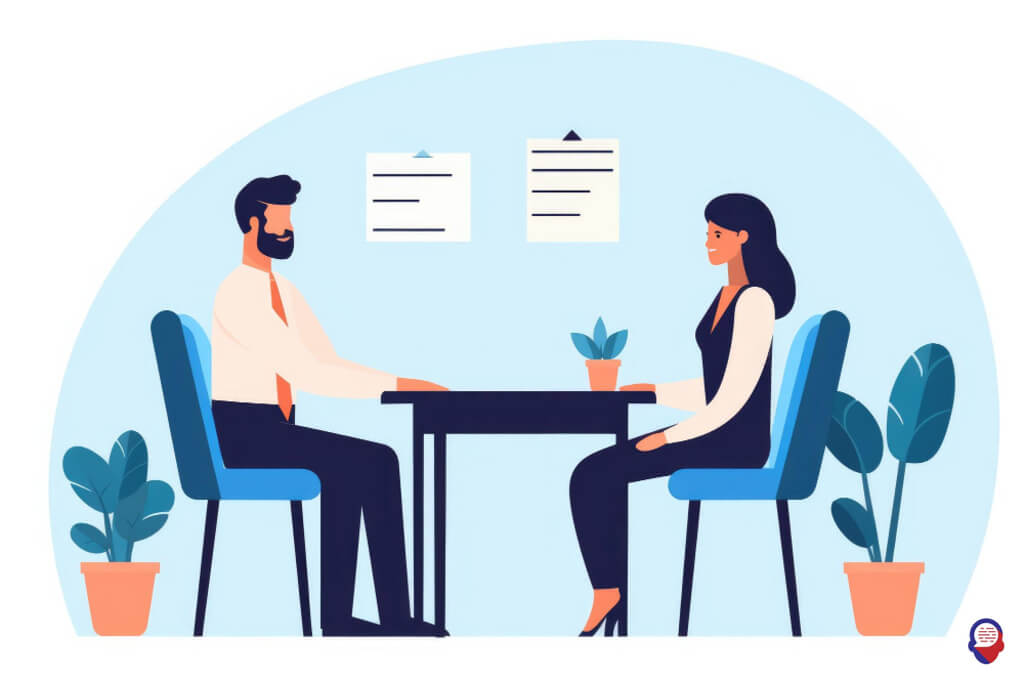
An experienced addictions counsellor will not react with judgment or disappointment. Instead, they will see the relapse as a valuable learning opportunity. Together, you will analyse what led to the relapse, identifying the triggers and the breakdown in coping strategies that occurred.
This information is then used to strengthen your recovery plan. A relapse can highlight a weakness in your strategy or an unaddressed issue that needs more attention. By dissecting it in a safe, therapeutic environment, you can emerge with a deeper understanding of your addiction and a more robust plan to prevent it from happening again.
Frequently Asked Questions

How long does addiction counselling last? The duration of addiction counselling varies greatly from person to person and depends on several factors, including the severity of the addiction, the presence of co-occurring disorders, and your individual progress. Some people may benefit from a few months of focused therapy, while others may engage in counselling for a year or longer to support their long-term recovery.

Is addiction counselling confidential? Yes, addiction counselling is strictly confidential. Your counsellor is bound by a professional code of ethics that requires them to protect your privacy. What you share in your sessions will not be disclosed to anyone without your explicit written consent, except in very specific circumstances where there is a risk of serious harm to yourself or others, which they will explain to you at the outset.

Can I be forced into counselling? In most cases, you cannot be forced into counselling. Therapy is most effective when the individual is willing and motivated to participate. While family or legal pressures might lead someone to attend an initial session, meaningful change can only happen when the person chooses to engage in the process for themselves.
Take the First Step. Find Your Strength.
The journey of a thousand miles begins with a single step. Acknowledging the need for help is that first, courageous step toward a new life. You do not have to carry the weight of addiction by yourself any longer. At Counselling-uk, we believe in providing a safe, confidential, and professional place where you can find the support you need for all of life’s challenges. Our network of qualified addictions counsellors is here to listen without judgment, to guide you with expertise, and to empower you on your unique path to healing and recovery. Reach out today, a conversation is all it takes to begin.

When it comes to finding the right addictions counsellor, it can be tricky. We all have unique needs, and an addictions counsellor who is suitable for one person might not be suitable for another. Here are a few tips to help you find the right addictions counsellor for your individual circumstances: