
Therapy on Your Terms: Exploring Computerized CBT
In our increasingly digital world, access to mental health support is undergoing a quiet revolution. We can now manage our finances, order groceries, and connect with loved ones through a screen, so why not access therapeutic support in the same way? This new frontier is led by an innovative approach called Computerized Cognitive Behavioural Therapy, or cCBT, a tool designed to place powerful, evidence-based mental health strategies directly into your hands. It represents a significant shift, moving therapy beyond the traditional clinic and into the private, accessible spaces of our daily lives.

What Exactly Is Computerized Cognitive Behavioural Therapy?
Computerized Cognitive Behavioural Therapy is a form of mental health treatment that delivers the principles and techniques of CBT through a digital platform, such as a website or a mobile application. Instead of speaking with a therapist in person, you interact with a structured, automated program designed to teach you how to identify and change destructive thought patterns and behaviours. These programs are built upon decades of clinical research and are carefully designed to guide you through the therapeutic process step by step.
This approach transforms therapy from a scheduled appointment into an on-demand resource. It empowers you to learn and practice essential coping skills at your own pace, in your own time, and in a place where you feel most comfortable. It’s a confidential and structured way to work on your mental wellbeing.

How does it differ from traditional therapy?
The primary difference lies in the delivery method and the nature of the interaction. Traditional therapy involves a dynamic, real-time conversation with a human therapist, while cCBT uses a pre-designed, interactive digital program. Think of it as the difference between having a personal tutor and taking a comprehensive, interactive online course.
In face-to-face therapy, the therapeutic relationship is central, and the therapist adapts their approach based on your verbal and nonverbal cues. With cCBT, the structure is more defined. The program guides you through a set curriculum of modules, exercises, and lessons, often using videos, quizzes, and interactive tools to teach core CBT concepts. While some cCBT programs offer support from a therapist via messaging or brief calls, many are designed to be used independently.

Is it just an app on my phone?
While many cCBT programs are delivered via mobile apps, the term encompasses a broader range of digital platforms. It can be a sophisticated web-based program you access on a computer, a series of interactive modules, or yes, a dedicated application on your smartphone or tablet. The platform is simply the vehicle for the therapy.
What truly defines cCBT is not the device you use, but the content it delivers. A genuine cCBT program is far more than a simple mood tracker or a collection of mindfulness exercises. It is a structured, evidence-based therapeutic course designed by clinical psychologists and mental health experts to treat specific conditions like anxiety, depression, or insomnia by actively teaching and reinforcing the core principles of Cognitive Behavioural Therapy.

How Does cCBT Actually Work to Improve Mental Health?
cCBT works by systematically teaching you the foundational skills of Cognitive Behavioural Therapy, enabling you to become your own therapist. The program helps you understand the powerful connection between your thoughts, your feelings, and your actions. It provides a structured environment where you can learn to challenge negative thinking and modify unhelpful behaviours that contribute to mental distress.
Through a series of lessons and exercises, you learn to spot your personal triggers and the automatic negative thoughts that follow. The program then equips you with practical techniques to re-evaluate these thoughts and develop more balanced, realistic perspectives. This cognitive shift leads to improved emotional states and more positive behavioural choices, gradually reducing symptoms of anxiety, depression, and other conditions.

What core principles of CBT does it use?
At its heart, cCBT is built on the same proven principles as traditional CBT. The core idea is that our emotional reactions are not caused by events themselves, but by our interpretation of those events. cCBT programs systematically teach you how to work with this fundamental concept.
You will learn about cognitive restructuring, the process of identifying, challenging, and changing unhelpful cognitive distortions, such as black-and-white thinking or catastrophizing. You will also engage in behavioural activation, a technique that encourages you to gradually re-engage with positive and rewarding activities, especially when motivation is low. These programs also often include psychoeducation, teaching you about your specific condition, and relapse prevention, helping you build a plan to maintain your progress long-term.

What does a typical cCBT session look like?
A typical session in a cCBT program is structured like a lesson or module that you complete at your own pace. You might start by logging in and reviewing your progress from the previous session or checking in on your mood for the day. The session itself would then begin, perhaps with a short video or text explaining a new concept, like the ‘hot cross bun’ model that links thoughts, feelings, behaviours, and physical sensations.

Following the educational component, you would be guided through an interactive exercise. This could involve completing a thought record, where you identify a recent situation, the automatic thoughts you had, and the emotions they triggered. The program might then prompt you to challenge that thought or come up with a more balanced alternative. Sessions often conclude with a summary and a suggestion for a real-world "homework" task, such as practicing a new technique before your next session.

How does it help me change my thinking patterns?
cCBT helps you change your thinking patterns through a structured and repetitive process of self-monitoring and cognitive restructuring. It acts as a digital guide, teaching you to become a detective of your own mind. The programs provide tools, like digital thought diaries, that make it easy to capture your negative thoughts as they happen.
Once you’ve identified a recurring negative thought, the program provides a framework for questioning it. It might ask you to consider the evidence for and against the thought, explore alternative explanations, or think about what you would say to a friend in the same situation. By consistently engaging in this process, you begin to break the habit of automatic negative thinking and build new, more helpful mental pathways, making balanced thinking feel more natural over time.
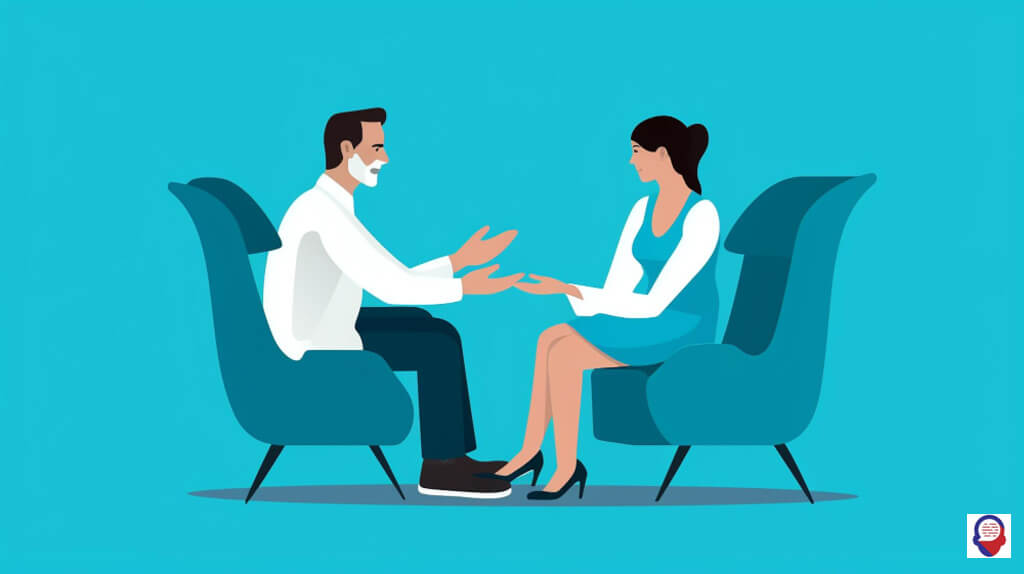
Can it help with physical feelings of anxiety?
Yes, cCBT is very effective at addressing the physical symptoms of anxiety. It does this by tackling the problem from two angles, the cognitive and the behavioural. The program teaches you that physical sensations like a racing heart, shortness of breath, or tense muscles are often the direct result of anxious thoughts.
By learning to challenge the catastrophic thoughts that trigger your body’s "fight or flight" response, you can reduce the intensity and frequency of these physical feelings. Furthermore, many cCBT programs include specific modules on relaxation techniques. You will be guided through exercises like deep breathing, progressive muscle relaxation, and mindfulness, which are proven methods for calming the nervous system and managing the physical manifestations of anxiety directly.

What Are the Key Benefits of Choosing cCBT?
The primary benefits of choosing cCBT revolve around its unprecedented accessibility, affordability, and privacy. It removes many of the traditional barriers to seeking mental health support, making it a viable option for a much wider range of people. This digital approach empowers individuals to take control of their mental health on their own terms.
For many, the convenience of accessing therapy anytime, anywhere, is a game-changer. The reduced cost compared to private therapy makes it more financially sustainable, and the inherent confidentiality of an online program can encourage those who are hesitant about face-to-face interaction to take the first step toward getting help.

Is it more accessible than face-to-face therapy?
Absolutely, cCBT is significantly more accessible than traditional therapy for several key reasons. Geographically, it eliminates the need to travel to a clinic, making it available to individuals in rural or remote areas with limited local mental health services. You can access the program from the comfort of your own home, removing any mobility or transportation challenges.
Furthermore, its 24/7 availability breaks down the barrier of scheduling. You don’t need to take time off work or arrange childcare to fit in an appointment. You can engage with the material late at night, early in the morning, or during your lunch break, integrating the therapy seamlessly into your existing life and responsibilities.

Can cCBT be more affordable?
Yes, in most cases, cCBT is a more affordable option than ongoing private, face-to-face therapy. The cost of developing a high-quality cCBT program can be spread across thousands of users, making the price per person significantly lower. Many programs are offered through a subscription model, which is often less than the cost of a single traditional therapy session.
Some cCBT services are even commissioned by national health services or offered by employers as part of wellness programs, making them available at no direct cost to the user. This affordability makes long-term, evidence-based psychological support a realistic possibility for people who might otherwise find it financially out of reach, democratizing access to mental wellness tools.

Does it offer more privacy and anonymity?
cCBT offers a level of privacy and anonymity that is often a crucial factor for individuals hesitant to seek help. The fear of stigma, or simply the discomfort of discussing personal struggles face-to-face, can be a major deterrent. With cCBT, you can work on your mental health in complete privacy.

There’s no need to sit in a waiting room or explain your whereabouts to anyone. You are interacting with a program, which can feel less intimidating than opening up to a stranger, at least initially. This sense of confidentiality can empower people to be more honest with themselves and to address issues they might otherwise be too embarrassed or ashamed to talk about, paving the way for genuine progress.

Can I really work at my own pace?
Yes, the ability to work at your own pace is a fundamental feature and a significant advantage of cCBT. Traditional therapy often follows a weekly schedule, which may feel too fast for some and too slow for others. cCBT puts you in complete control of the timeline.
If you’re feeling motivated and have the time, you can work through several modules in a week. Conversely, if you’re having a difficult week or need more time to practice a particular skill before moving on, you can take a break and return to it when you’re ready. This flexibility allows the therapy to adapt to your unique needs and learning style, ensuring you can absorb and apply the concepts effectively without feeling rushed or held back.

Are There Any Downsides or Limitations to Consider?
While cCBT is a powerful tool, it’s important to acknowledge its limitations and understand that it is not a one-size-fits-all solution. The main downsides relate to its suitability for certain conditions, the lack of immediate human contact, and the high degree of self-motivation required to complete a program successfully.
Recognizing these potential challenges is key to making an informed decision about whether cCBT is the right choice for your specific situation. It is a valuable option within a spectrum of care, but it does not replace the need for other forms of mental health support, especially in more complex or severe cases.

Is cCBT suitable for everyone and every condition?
No, cCBT is not suitable for everyone or for every mental health condition. It is most effective for individuals with mild to moderate depression, anxiety disorders, panic disorder, and insomnia. The structured, self-guided nature of the therapy requires a certain level of functioning and cognitive ability.
It is generally not recommended as a standalone treatment for severe mental health issues, such as severe depression, psychosis, complex trauma, or for individuals who are at risk of self-harm. In these situations, the nuanced, responsive, and risk-monitoring capabilities of a human therapist are essential. It’s often best to consult with a GP or mental health professional to determine if cCBT is appropriate for your needs.

What if I need immediate human support?
This is a critical limitation of most purely self-guided cCBT programs. They are not designed for crisis intervention. If you are experiencing a mental health crisis or need immediate support, a cCBT program cannot provide the real-time response that a crisis hotline or an in-person therapist can.
Most reputable cCBT platforms make this clear and provide signposting to crisis resources. It’s vital for users to understand that the program is a tool for building long-term skills, not a source of emergency help. For this reason, some people prefer "blended" or "guided" cCBT models, which include some level of check-in or support from a real person.

Could a lack of personal connection be a problem?
For some individuals, the lack of a personal connection, or therapeutic alliance, with a therapist can be a significant drawback. The relationship with a therapist can be deeply healing in itself, providing validation, empathy, and a sense of being truly heard and understood. This human element is inherently absent in a purely digital program.
While some people prefer the anonymity of cCBT, others find that the accountability and encouragement that come from a human relationship are essential for their motivation and progress. If you feel you would benefit from this personal connection and collaborative problem-solving, traditional therapy or a guided cCBT program might be a better fit.

What about motivation and self-discipline?
Successfully completing a cCBT program requires a significant amount of self-motivation and discipline. Without a scheduled appointment and a therapist to answer to, it can be easy to let the sessions slide, especially when you’re feeling low in energy or motivation, which is a common symptom of the very conditions cCBT aims to treat.

To succeed, you must be proactive in setting aside time for the modules and committing to the "homework" exercises in your daily life. It requires a genuine commitment to the process. For those who struggle with procrastination or find it difficult to stick to self-directed plans, the external structure provided by traditional therapy might be more effective.
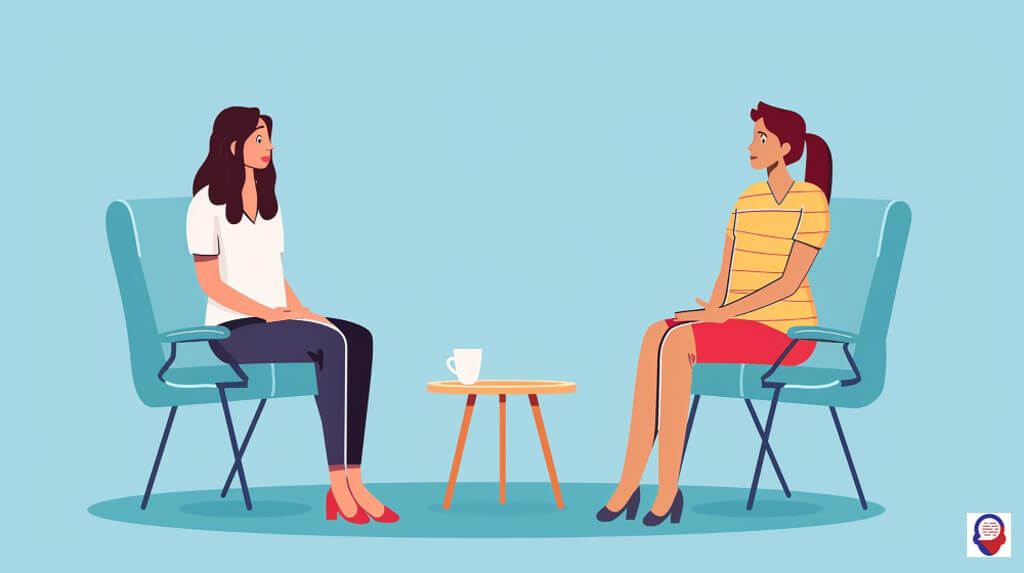
Who Can Benefit Most from Using a cCBT Program?
The individuals who typically benefit most from cCBT are those with mild to moderate symptoms of common mental health conditions who are looking for a structured, practical, and skills-based approach to treatment. It is particularly well-suited for people who are proactive, comfortable with technology, and value privacy and flexibility.
It serves as an excellent first step into therapy for those who may be hesitant or as a tool for those who have a good understanding of their challenges but need a framework to help them make changes. Essentially, it’s for anyone ready to take an active role in learning how to manage their mental wellbeing.

Is it effective for anxiety and depression?
Yes, there is a vast body of scientific research demonstrating that cCBT is a highly effective treatment for both anxiety and depression. Numerous clinical trials have shown that for mild to moderate cases, its effectiveness is comparable to that of face-to-face CBT. It is one of the most well-researched forms of digital mental health intervention.
For anxiety disorders, it helps by teaching you to challenge anxious thoughts and gradually face feared situations. F