
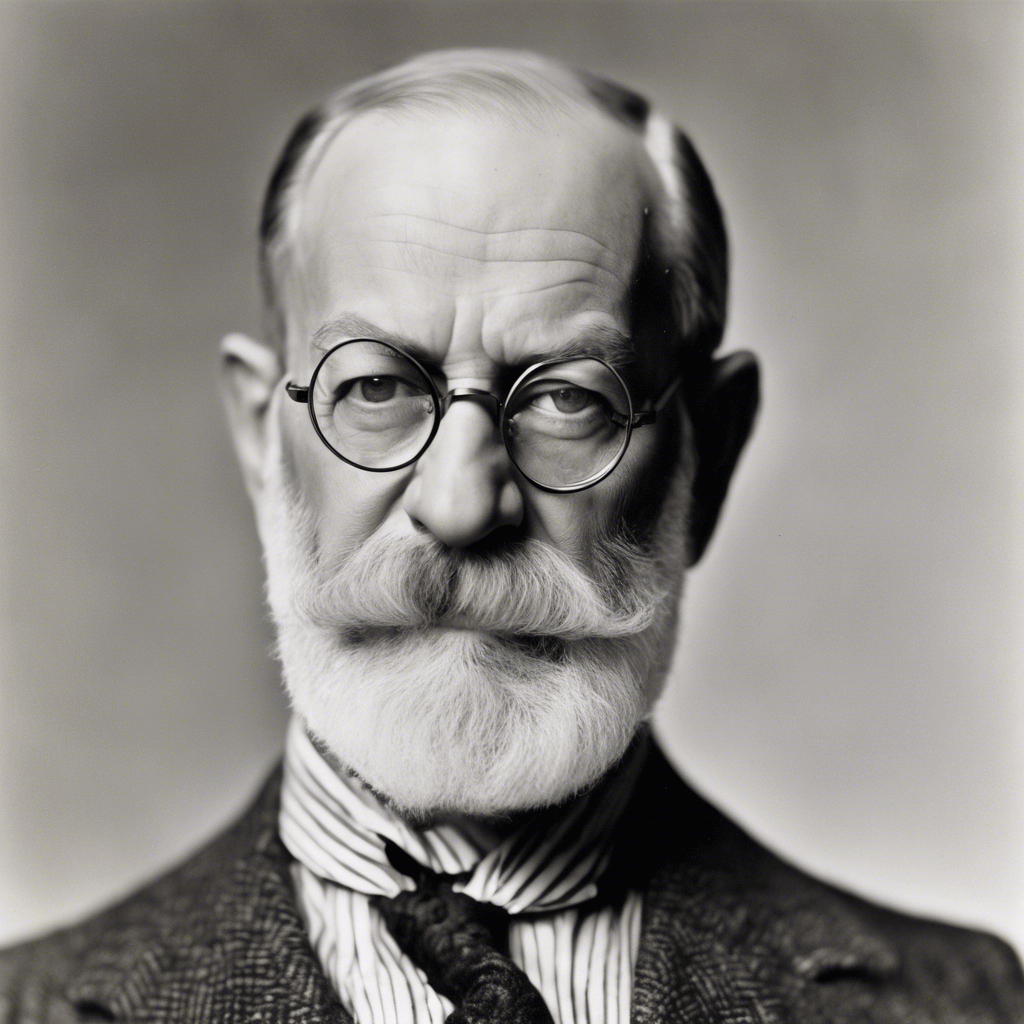
Early Life and Education of Sigmund Freud
Sigmund Freud was born on May 6, 1856, in Freiberg, which is now known as the Czech Republic, to Jewish parents. He was the oldest of eight siblings and showed intellectual promise from a young age. In 1873, Freud enrolled at the University of Vienna, where he studied medicine and developed an interest in psychology. He graduated in 1881 and began working at Vienna General Hospital before opening his own private practice in 1886. This early education and experience laid the foundation for Freud’s future groundbreaking work in psychoanalysis.
Early influences and upbringing
Sigmund Freud’s early influences and upbringing played a significant role in shaping his future work in psychology. Growing up in a Jewish family with intellectual parents, Freud was exposed to a stimulating environment from an early age. These early experiences helped cultivate his curiosity and drive to understand the human mind, setting the stage for his groundbreaking theories in psychoanalysis.
Educational background and career beginnings
Sigmund Freud’s educational background and career beginnings were instrumental in shaping his future as a pioneering psychologist. He studied medicine at the University of Vienna, specializing in neurology and psychiatry. Freud’s early career was focused on clinical work, primarily treating patients with hysteria. These experiences formed the foundation of his psychoanalytic theories and laid the groundwork for his revolutionary approach to understanding the human mind.
Freudian Psychoanalytic Theory
Freudian Psychoanalytic Theory, developed by Sigmund Freud, revolutionized the field of psychology. At its core, this theory suggests that unconscious desires and experiences greatly influence human behavior. It introduced concepts like the id, ego, and superego, and emphasized the importance of childhood experiences in shaping personality. Freud’s theory laid the foundation for modern psychoanalysis and greatly influenced the field of psychology.
Key concepts and contributions
Some key concepts and contributions of Freudian Psychoanalytic Theory include the id, ego, and superego, which represent different aspects of the human psyche, and the importance of childhood experiences in shaping personality. Freud’s theory had a significant impact on the field of psychology, laying the foundation for modern psychoanalysis and influencing therapeutic approaches. His emphasis on the unconscious mind and the exploration of repressed desires revolutionized the understanding of human behavior and continues to shape psychological research and practice today.
Critiques and controversies surrounding Freud’s theories
Critiques and controversies surrounding Freud’s theories have been numerous, with some questioning the scientific validity of his concepts and methodology, while others argue that his theories are overly focused on sexuality and lack empirical evidence. Additionally, Freud’s approach to psychoanalysis has been criticized for its lack of diversity and cultural sensitivity. Despite these criticisms, Freud’s work continues to be influential in the field of psychology and has shaped our understanding of the human mind.
The Evolution of Freud’s Work
Freud’s work evolved significantly over the course of his career, as he developed and refined his psychoanalytic theories. He expanded on his early concepts of the conscious and unconscious mind, introducing new ideas such as the id, ego, and superego. Freud also explored the role of childhood experiences and the influence of the unconscious in shaping personality. These advancements laid the foundation for modern psychoanalysis and greatly influenced the field of psychology.
Development of psychoanalysis
Freud’s development of psychoanalysis revolutionized the field of psychology by introducing a new approach to understanding and treating mental disorders. He developed techniques such as free association, dream analysis, and transference, which allowed therapists to gain insight into the unconscious mind. This approach emphasized the influence of early childhood experiences on shaping personality and behavior. Freud’s work laid the foundation for modern therapy and greatly influenced the field of psychology.
Impact on modern psychology and therapy
Freud’s development of psychoanalysis revolutionized modern psychology and therapy. His techniques such as free association, dream analysis, and transference continue to be used today to gain insight into the unconscious mind. Freud’s emphasis on early childhood experiences and the influence of the unconscious on behavior has greatly shaped the field of psychology and how we understand and treat mental disorders.
Personal Life and Influence
Freud’s personal life greatly influenced his work and theories. He had a complex relationship with his parents, particularly his mother, which shaped his understanding of the unconscious mind and the development of psychoanalysis. Freud’s close circle of friends and colleagues, known as the Vienna Circle, played a significant role in the development and dissemination of his ideas. His personal experiences, along with his introspection and self-analysis, allowed Freud to bring a unique perspective to his work, making him one of the most influential figures in the field of psychology.
Relationships and family
Freud’s personal relationships, particularly with his parents, greatly influenced his work. His complex relationship with his mother shaped his understanding of the unconscious mind and the development of psychoanalysis. Freud’s close circle of friends and colleagues, known as the Vienna Circle, also played a significant role in the development and dissemination of his ideas. Overall, his personal experiences and self-analysis allowed Freud to bring a unique perspective to his work, making him one of the most influential figures in psychology.
Legacy and influence on future generations
Freud’s legacy and influence on future generations has been immense, as his theories and concepts continue to shape the field of psychology. His emphasis on the unconscious mind, the role of childhood experiences, and the importance of psychoanalysis in understanding human behavior have had a lasting impact. Many contemporary psychologists still draw upon Freud’s ideas, incorporating them into their own therapeutic approaches. Furthermore, his work has paved the way for further advancements in the study of the mind and has opened up new avenues for exploring the complexities of human psychology.
Psychological Impact of Freud’s Theories
Freud’s theories have had a profound impact on psychology, revolutionizing our understanding of the human mind. They have paved the way for new therapeutic approaches and techniques, such as psychoanalysis, that delve into the unconscious aspects of our psyche. Freud’s work has also influenced fields beyond psychology, including literature, art, and popular culture, shaping our collective consciousness and providing a framework for exploring the complexities of human behavior. His emphasis on the importance of early childhood experiences and the role of the unconscious mind continues to be relevant in contemporary psychology, guiding research and treatment methodologies to this day. By unlocking the hidden realms of the mind, Freud’s theories have opened up new avenues for self-discovery and personal growth.
Application in clinical settings
In clinical settings, Freud’s theories are applied through various therapeutic techniques, including psychoanalysis. By delving into the unconscious mind and exploring repressed emotions, therapists aim to uncover the root causes of psychological issues. This deeper understanding allows for more effective treatment and healing. Freud’s concepts, such as the Oedipus complex and defense mechanisms, are also used to analyze and interpret patients’ thoughts, dreams, and behaviors, providing valuable insights into their psychological well-being. Overall, Freud’s theories continue to shape the field of psychology, offering valuable tools for therapists in their clinical practice.
Relevance in understanding human behavior
Understanding human behavior is crucial for various fields, from psychology to sociology and beyond. Freud’s theories provide valuable insights into the unconscious mind, repressed emotions, and defense mechanisms that shape our thoughts and actions. By applying Freudian concepts, professionals can gain a deeper understanding of human behavior, which can inform their decision-making, research, and interventions. Whether studying individual behaviors or societal dynamics, Freud’s theories continue to be relevant in understanding and analyzing the complexities of human behavior.
In Reflection
After delving into the life and legacy of Sigmund Freud in this captivating documentary, we gain a deeper understanding of his influential contributions to psychology and therapy. From his groundbreaking psychoanalytic theories to his impact on modern psychology, Freud’s work continues to shape our understanding of human behavior. This documentary serves as a valuable resource for anyone interested in exploring the life and work of this remarkable figure. I highly recommend watching it to gain a comprehensive insight into Freud’s life and his enduring influence on the field of psychology.
Summary of Freud’s life and contributions
Freud’s life and contributions are undeniably significant in the field of psychology. From his upbringing and education to his pioneering psychoanalytic theories, Freud’s work continues to shape the way we understand human behavior. His concepts, such as the unconscious mind and defense mechanisms, have become fundamental pillars of modern psychology. Moreover, Freud’s influence goes beyond academia, as his ideas have permeated popular culture and continue to spark discussions and debates. A summary of Freud’s life and contributions provides invaluable insight into the foundations of psychoanalysis and its enduring impact on the study of the human mind.
Recommendation for watching the documentary
If you’re fascinated by the life and contributions of Sigmund Freud, I highly recommend watching the documentary “The Life and Legacy of Sigmund Freud.” It offers a captivating glimpse into his early influences, groundbreaking theories, and personal life, providing a comprehensive understanding of his lasting impact on the field of psychology.

More Videos
More Videos