Finding Your Way Back: A Guide to Addiction Counselling
Taking the first step towards recovery can feel like standing at the base of a mountain, its peak shrouded in mist. The journey seems impossible, the path unclear. Drug and alcohol addiction can isolate you, making you feel as though you are entirely alone in your struggle. But you are not alone, and there is a proven, supportive path forward. That path is counselling, a powerful tool designed to guide you out of the shadows of addiction and back into the light of your own life.
This guide is here to demystify the process. It will walk you through what drug and alcohol counselling truly is, how it works, and what you can expect. It is a map for the first part of your journey, offering clarity and hope when both can feel in short supply. Recovery is not just possible, it is waiting for you.

What Exactly Is Drug and Alcohol Counselling?
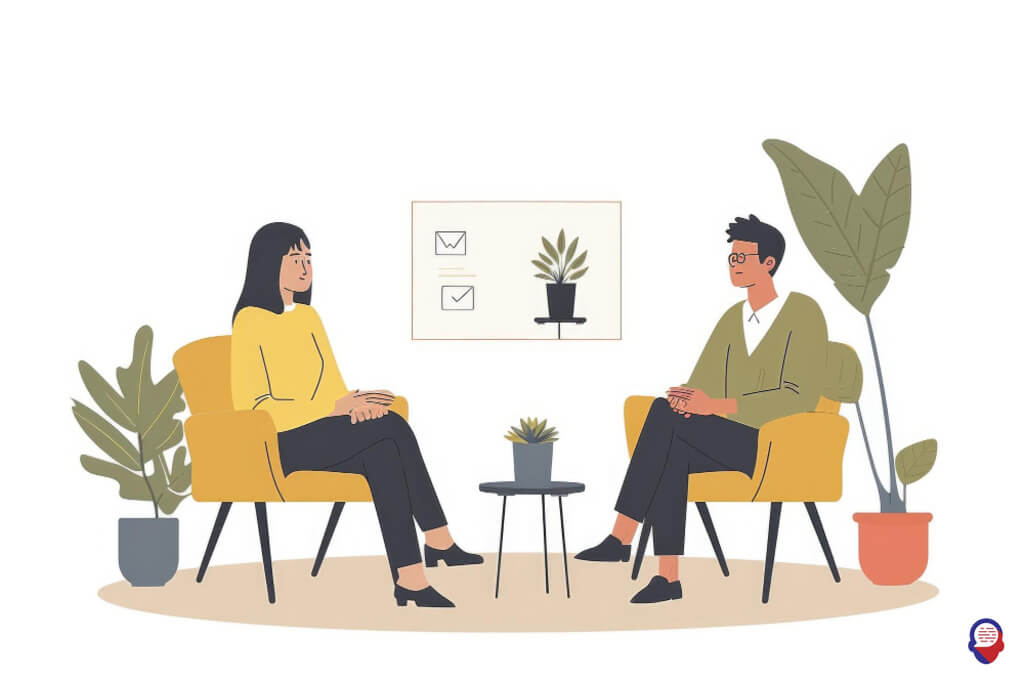
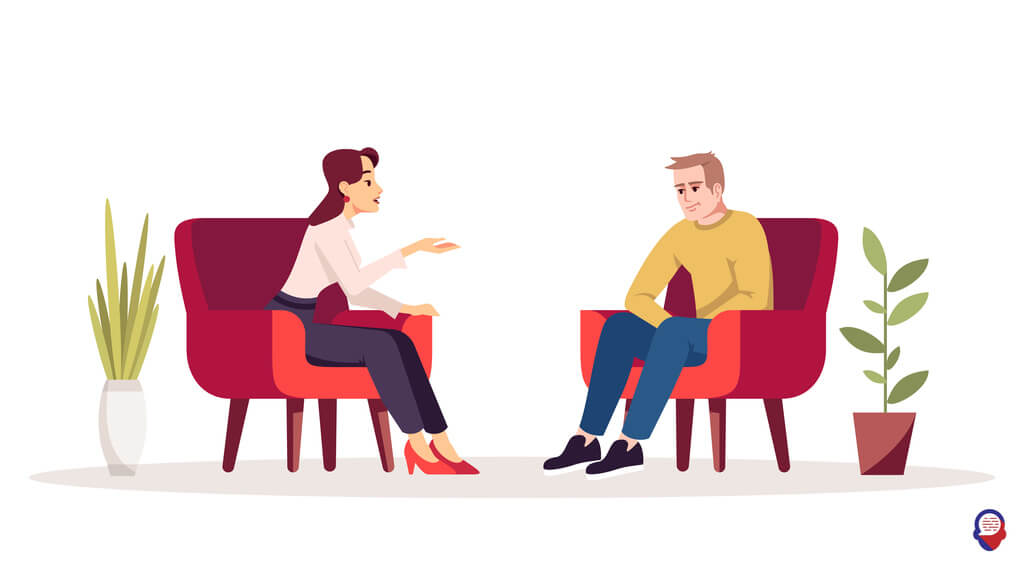
It is a collaborative and confidential therapeutic process designed to help you understand and overcome your dependence on substances. A trained professional works with you in a safe, non-judgmental space to explore the root causes of your addiction, develop healthy coping mechanisms, and build a sustainable plan for long-term recovery. It’s a partnership focused on reclaiming your health, relationships, and future.
More than just talking about problems, addiction counselling is an active process of change. It equips you with practical tools to manage cravings, navigate triggers, and address the underlying emotional pain that often fuels substance use. The goal isn’t simply to stop using, it’s to build a life so fulfilling and resilient that substances no longer have a place in it.

How Do I Know If I Need Counselling?
Recognising the need for help is often the most courageous step in the recovery journey. If you find yourself questioning your relationship with drugs or alcohol, if the thought of stopping feels overwhelming, or if your substance use is causing negative consequences in any area of your life, counselling can provide essential support and direction. It is a sign of strength, not weakness, to seek guidance.
This process of self-reflection can be difficult, as addiction often creates a powerful sense of denial. You might find yourself minimising the problem or promising yourself you can handle it on your own. Looking honestly at how substance use impacts your world is a critical first move toward healing.

Are My Relationships Suffering?
Addiction can strain even the strongest bonds with family, friends, and partners. If you find yourself becoming more isolated, arguing more frequently with loved ones about your substance use, or prioritising drugs or alcohol over people you care about, it is a significant warning sign. These relationship problems are often a direct consequence of the behavioural and emotional changes caused by addiction.
Counselling provides a space to understand this dynamic. It helps you see how addiction impacts your interactions and gives you the communication skills needed to begin repairing the trust that has been broken. Healing your connections with others is a fundamental part of healing yourself.

Is My Health Being Affected?
The impact of drug and alcohol use on your physical and mental well-being can be profound and progressive. You might be experiencing unexplained weight changes, poor sleep, constant fatigue, or new or worsening health problems. Mentally, you may feel increased anxiety, depression, irritability, or an inability to concentrate when you are not using.
These symptoms are your body and mind signalling that something is wrong. Ignoring them can lead to severe, long-term health complications. A counsellor can help you address not only the addiction itself but also co-occurring mental health conditions, creating a comprehensive plan for your total well-being.

Have I Tried to Stop and Failed?
Many people who struggle with addiction have attempted to quit on their own, often multiple times. You might manage to stay sober for days, weeks, or even months, only to find yourself returning to old patterns when faced with stress, a powerful craving, or a difficult life event. This cycle of trying and relapsing is not a sign of personal failure, it is a hallmark symptom of the disease of addiction.
This is precisely where counselling can make all the difference. A professional counsellor understands the neurobiology of addiction and relapse. They can help you identify your personal triggers and develop a robust relapse prevention plan, giving you the strategies you need to navigate challenges without resorting to substances.
Am I Neglecting Responsibilities?

When substance use begins to take priority, essential life responsibilities often fall by the wayside. This can manifest as poor performance or absenteeism at work or school, difficulty managing finances, or neglecting household duties and personal hygiene. Your world may feel like it is shrinking, with your focus narrowing to little more than obtaining and using your substance of choice.
This neglect is a clear indicator that your substance use has crossed the line into a serious problem. Counselling helps you to reverse this process by establishing structure, setting achievable goals, and rebuilding your sense of purpose and accountability. It is about restoring the balance that addiction has taken from your life.

What Happens During a Counselling Session?
Your first few sessions are typically focused on assessment, where the counsellor’s main goal is to understand you and your situation. This is a conversation, not an interrogation. You will be asked about your history with substance use, your family background, your current life situation, and what you hope to achieve. This process helps the therapist create a personalised treatment plan tailored specifically to your needs.
It is a time for you to ask questions as well. You can learn about the counsellor’s approach, their experience, and what you can expect from the process. The most important outcome of these initial meetings is the beginning of a therapeutic relationship built on trust, respect, and a shared commitment to your recovery.
As you move into ongoing sessions, the focus shifts towards exploration and skill-building. You will delve deeper into the underlying reasons for your addiction, such as trauma, stress, or mental health issues. You will learn to identify your triggers, which are the people, places, feelings, or situations that create an urge to use.
These sessions are your dedicated time to work on yourself. You will practice new coping strategies, learn healthier ways to communicate, and set small, manageable goals for your recovery. Your counsellor acts as a guide, providing support, offering new perspectives, and holding you accountable as you do the transformative work of building a new life.

What Types of Addiction Counselling Are There?
There is no single, one-size-fits-all approach to addiction treatment. Effective counselling draws from a variety of evidence-based therapeutic models, which can be adapted and combined to meet your unique needs. A skilled counsellor will often use an integrated approach, selecting the techniques that are most likely to resonate with you and produce lasting change.
Understanding these different types can help you feel more prepared and empowered in your recovery journey. Each modality offers a different lens through which to view your struggle and a different set of tools for overcoming it.

What is Cognitive Behavioural Therapy (CBT)?
Cognitive Behavioural Therapy, or CBT, is one of the most widely used and effective therapies for addiction. It is based on the powerful idea that our thoughts, feelings, and behaviours are interconnected. CBT helps you identify the negative or unhelpful thought patterns that lead to cravings and the decision to use substances.
In practice, a counsellor using CBT will help you become a detective of your own mind. You will learn to spot a destructive thought, challenge its validity, and replace it with a more balanced and constructive one. By changing your thoughts, you can change your feelings and, ultimately, your actions, breaking the cycle that keeps you trapped in addiction.
How Does Motivational Interviewing Work?
Motivational Interviewing is a gentle and collaborative counselling style designed to help you resolve your own ambivalence about change. Many people who struggle with addiction feel torn, part of them wants to stop using, while another part is resistant or afraid to let go. This therapy respects that internal conflict and does not force you to change.
Instead, the counsellor works with you to explore your own reasons for wanting to build a different life. Through careful listening and targeted questions, they help you strengthen your personal motivation to recover. It is an empowering process that puts you in the driver’s seat, building your confidence that you can and will succeed.
What is a Person-Centred Approach?

A person-centred, or humanistic, approach places the therapeutic relationship at the very heart of the healing process. The counsellor provides an environment of unconditional positive regard, genuine empathy, and non-judgment. This means they accept you completely as you are, without criticism, and strive to understand the world from your perspective.
This profound sense of acceptance can be incredibly healing, especially if you have been living with shame and self-judgment. In this safe and supportive space, you are free to explore your deepest fears and hopes. This approach trusts in your innate capacity for growth, empowering you to find your own answers and direct your own recovery.
Is Group Therapy Effective?
Group therapy is a powerful component of addiction recovery for many individuals. It provides a unique opportunity to connect with others who truly understand what you are going through. In a professionally facilitated group, you can share your experiences, listen to the stories of others, and realise that you are not alone in your struggle.
The sense of community and mutual support can be a profound antidote to the isolation of addiction. You can learn from the successes and challenges of your peers, practice new social skills in a safe setting, and offer support to others, which can be deeply rewarding. Group therapy breaks down shame and builds a network of encouragement.

What About Family Therapy?
Addiction rarely affects just one person, it impacts the entire family system. Family therapy brings loved ones into the counselling process to heal the collective wounds caused by substance use. It helps everyone understand the nature of addiction as a disease, rather than a moral failing.
These sessions focus on improving communication, establishing healthy boundaries, and rebuilding broken trust. A therapist facilitates difficult conversations, allowing family members to express their pain and frustration in a constructive way. By healing the family unit, you create a stronger, more supportive environment for your own long-term recovery.

What is Holistic Therapy?
Holistic therapy approaches recovery by addressing the whole person, mind, body, and spirit. It complements traditional talk therapy with activities that promote overall well-being. This can include practices like mindfulness meditation, yoga, art therapy, music therapy, or nutritional counselling.
The goal is to help you reconnect with yourself on a deeper level and develop healthy habits that support a sober lifestyle. Mindfulness can teach you to observe cravings without acting on them, while creative therapies can provide a non-verbal outlet for difficult emotions. Holistic practices offer additional tools for managing stress and finding joy in recovery.

How Does Counselling Help with the Root Causes of Addiction?
Simply stopping substance use is only the beginning of recovery, it’s like treating a symptom without addressing the disease. Effective counselling goes deeper, helping you uncover and heal the underlying issues that made you vulnerable to addiction in the first place. Lasting recovery is built on a foundation of self-awareness and emotional healing.
Addiction is often a form of self-medication for unresolved pain. By bringing these root causes into the light of a safe therapeutic relationship, you can learn to process them in healthy ways. This work is what transforms recovery from a daily struggle for sobriety into a journey of genuine personal growth.

Can Counselling Help with Trauma?
There is a very strong link between unresolved trauma and substance use disorders. Whether it stems from childhood abuse, neglect, a serious accident, or other overwhelming life events, trauma can leave you with deep emotional wounds. Many people turn to drugs or alcohol in an attempt to numb the pain, anxiety, and flashbacks associated with these experiences.
A trauma-informed counsellor understands this connection and can provide a safe environment to process these memories without becoming re-traumatised. Using specialised techniques, they help you reduce the emotional charge of past events and develop coping strategies that do not involve substances. Healing from trauma is often essential for achieving stable, long-term sobriety.
What if I Have a Co-Occurring Mental Health Condition?
It is extremely common for addiction to exist alongside another mental health condition, such as depression, anxiety, bipolar disorder, or PTSD. This is known as a dual diagnosis or co-occurring disorder. In many cases, one condition can worsen the other, creating a vicious cycle that is difficult to break without professional help.
An integrated treatment approach that addresses both the substance use and the mental health condition simultaneously is crucial for success. A qualified counsellor can help you understand how the two are related and develop a plan that treats both. Managing your mental health effectively removes a major trigger for substance use and is fundamental to your overall well-being.

How Does It Address Stress and Life Pressures?
The inability to cope with stress is one of the most common pathways to addiction and relapse. The pressures of work, finances, relationships, and daily life can feel overwhelming, and substances can seem like a quick and easy way to escape. The problem is that this "solution" ultimately creates far more stress than it relieves.
Counselling equips you with a new, healthy toolkit for stress management. You will learn practical techniques like mindfulness, breathing exercises, and problem-solving skills. More importantly, you will explore the deeper patterns of thinking and behaving that contribute to your stress, helping you build a more resilient and balanced approach to life’s challenges.

What Should I Look for in a Counsellor?
Finding the right counsellor is a critical step, as the quality of the therapeutic relationship is a key predictor of success. You should look for a professional who is not only qualified and experienced but also someone with whom you feel a sense of connection and trust.
Take the time to find someone who feels like a good fit. This is an investment in your future, and you have the right to be selective. A good counsellor will be transparent about their approach and happy to answer your questions.
First and foremost, ensure the counsellor is properly licensed and credentialed. Look for qualifications specific to addiction counselling, such as certifications or advanced training in substance use disorders. This demonstrates they have the specialised knowledge required to effectively guide you through the complexities of recovery.
Experience matters. Ask about their background in treating individuals with similar issues to your own. An experienced addiction counsellor will be familiar with the common challenges, pitfalls, and milestones of the recovery process, providing you with more informed and nuanced support.
Beyond credentials, the personal connection, or rapport, is vital. During an initial consultation, pay attention to how you feel. Do you feel heard and respected? Do they seem empathetic and non-judgmental? You will be sharing very personal and difficult things, so it is essential that you feel safe and comfortable with the person you choose. Trust your intuition.

How Can I Prepare for My First Session?
Preparing for your first counselling session can help ease anxiety and make the meeting more productive. The most important thing you can bring is a willingness to be open and honest, both with the counsellor and with yourself. Remember that the counsellor is there to help, not to judge.
There is no need to have all the answers before you begin. The purpose of counselling is to find those answers together. Simply showing up is a monumental achievement in itself.
Before your appointment, take some time to think about what prompted you to seek help now. What are your biggest concerns? What do you hope to change? Having a general idea of your goals, even if they are as simple as "I want to feel better" or "I need to stop," can provide a helpful starting point.

Finally, try to set realistic expectations. Counselling is a process, not a quick fix. Healing and change take time, effort, and commitment. Be patient and compassionate with yourself as you embark on this journey. Your first session is not an end point, it is the beginning of a new, more hopeful chapter.
Frequently Asked Questions

How long does counselling last?
The duration of counselling varies greatly from person to person. It depends on several factors, including the severity of the addiction, the presence of co-occurring disorders, and your individual goals and progress. Some people may benefit from a few months of focused therapy, while others may find that longer-term support is necessary to maintain their recovery, especially during the challenging first year. The plan is always collaborative and tailored to you.

Is everything I say confidential?
Yes, confidentiality is a cornerstone of the therapeutic relationship. What you share with your counsellor is protected by strict ethical and legal standards. This creates a safe space where you can be completely honest without fear of your private information being shared. The only exceptions are rare situations where there is an immediate risk of serious harm to yourself or others, or as required by law, which a counsellor will explain to you at the start.

Can I be forced to go to counselling?
While a court, employer, or family member might mandate or strongly encourage you to attend counselling, the process itself is most effective when you participate willingly. A counsellor cannot force you to change. However, even if you are initially resistant, many people find that once they begin the process and experience the supportive, non-judgmental environment, their perspective shifts. They often discover their own internal motivation to continue.

What if I relapse?
Relapse is a common part of the recovery process for many people, it is not a sign of failure. If it happens, the most important thing to do is to be honest with your counsellor about it as soon as possible. A relapse can be a powerful learning opportunity. Together, you can analyse what led to it, identify the triggers you may have missed, and adjust your recovery plan to be stronger and more resilient going forward. It is a setback, not the end of your journey.
At Counselling-uk, we understand that life is full of challenges, and reaching out for help is a sign of profound strength. We are here to provide a safe, confidential, and professional place for you to find the support you deserve. Your journey to recovery is unique, and our dedicated counsellors are here to walk alongside you, offering expert guidance and unwavering support every step of the way. You don’t have to face this alone. Take the first step towards reclaiming your life today.