
Conquer Your Fears: A Guide to CBT for Phobias
A sudden lurch in your stomach. A racing heart. An overwhelming, all-consuming urge to flee. For millions of people, this isn’t just a fleeting moment of fear, it’s the daily reality of living with a phobia. It’s the invisible wall that stops you from getting on a plane, the panic that rises at the sight of a spider, or the social dread that keeps you isolated at home. But what if that wall could be dismantled, brick by brick? What if you could learn to face your fear not with brute force, but with understanding, strategy, and support?
This is the promise of Cognitive Behavioural Therapy, or CBT. It’s not about ignoring your fear or simply "getting over it". It is a powerful, evidence-based approach that equips you with the tools to understand, challenge, and ultimately overcome the phobia that holds you back. It’s a journey from avoidance to empowerment, and it’s one you don’t have to take alone. This guide will walk you through exactly what CBT is, how it works for phobias, and what you can expect when you decide it’s time to reclaim your life from fear.

What is a Phobia, Really?
A phobia is an overwhelming and debilitating fear of an object, place, situation, feeling, or animal that is disproportionate to the actual danger posed. This intense fear often leads to significant distress and a powerful desire to avoid the source of the phobia, which can severely impact a person’s life.
It’s crucial to understand the difference between a simple fear and a clinical phobia. Most people feel a healthy sense of fear when faced with a genuine threat, it’s a natural survival instinct. You might feel nervous during turbulence on a flight or feel a jolt of alarm if a dog barks unexpectedly. A phobia, however, is a far more intense and irrational response. The anxiety it produces is so severe that it can feel completely uncontrollable, even when you logically know there’s no real danger.
This isn’t just about feeling uncomfortable. A phobia can trigger the body’s full "fight-or-flight" response, complete with physical symptoms like a pounding heart, shortness of breath, trembling, sweating, and a feeling of impending doom. The anticipation of encountering the feared object or situation can be just as distressing as the encounter itself, leading to a life built around avoidance. This avoidance reinforces the fear, creating a powerful, self-perpetuating cycle that can shrink your world and limit your opportunities for work, relationships, and personal growth.
Phobias are generally categorised into three main types. Specific phobias are intense fears of a particular object or situation, such as flying, heights, animals like spiders or snakes, or receiving an injection. Social phobia, also known as social anxiety disorder, involves a profound fear of social situations and being judged or scrutinised by others. Agoraphobia is a more complex fear of being in situations where escape might be difficult or help wouldn’t be available if things go wrong, often leading to people avoiding open spaces, public transport, or even leaving their homes.

What is Cognitive Behavioural Therapy (CBT)?
Cognitive Behavioural Therapy is a type of talking therapy that helps you manage your problems by changing the way you think and behave. It is a highly practical and goal-oriented approach based on the core principle that your thoughts, feelings, physical sensations, and actions are all interconnected, and that negative thoughts and feelings can trap you in a vicious cycle.
The "Cognitive" part of CBT focuses on your thoughts. It involves learning to identify the unhelpful, distorted, or irrational thinking patterns that fuel your anxiety. For someone with a phobia, these might be catastrophic thoughts like "If I see a spider, I will have a heart attack and die," or "If I get on that elevator, the cable will snap." CBT teaches you how to step back from these thoughts, examine the evidence for and against them, and develop more balanced and realistic alternatives.
The "Behavioural" component of CBT targets your actions, specifically the avoidance behaviours that maintain the phobia. While avoiding the thing you fear brings temporary relief, it ultimately strengthens the belief that it is dangerous and that you are incapable of coping. CBT helps you to gradually and safely confront your fears, breaking this cycle of avoidance. This process, known as exposure, allows you to learn through direct experience that your feared outcomes do not happen and that your anxiety naturally subsides over time.
Unlike some other forms of therapy that delve deep into your past to understand the root causes of your issues, CBT focuses on the "here and now". It’s a collaborative process between you and your therapist to identify specific problems and work towards clear, achievable goals. You are an active participant, learning practical skills and strategies that you can continue to use long after your therapy sessions have ended, making it an empowering tool for lasting change.

How Does CBT Specifically Work for Phobias?
CBT works for phobias by systematically breaking the cycle of fear and avoidance through a structured, multi-faceted approach. It directly targets both the irrational thoughts that trigger the fear and the avoidance behaviours that maintain it, using a combination of psychoeducation, cognitive restructuring, and exposure therapy to build your confidence and reduce your anxiety.
At its core, CBT for phobias is about re-learning. You learn that your anxious thoughts are not facts, and you learn through experience that you can handle both the feared situation and the uncomfortable feelings that arise. The therapist acts as a coach, guiding you through this process at a pace that feels manageable for you. They provide the framework, the tools, and the support needed to dismantle the phobia from the inside out, empowering you to face your fears rather than run from them.

What is Psychoeducation in CBT?

Psychoeducation is the foundational first step where you and your therapist work together to understand the nature of your phobia and the anxiety it creates. It involves learning about the mechanics of fear, demystifying the physical symptoms you experience, and understanding the specific cycle that keeps your phobia alive.
This educational component is incredibly empowering. You’ll learn about the body’s natural "fight-or-flight" response, the system responsible for symptoms like a racing heart, shallow breathing, and dizziness. Understanding that these physical sensations are a normal, harmless reaction of your nervous system, not a sign of imminent danger like a heart attack or fainting, can dramatically reduce the secondary fear of the anxiety itself.
Furthermore, your therapist will help you map out your personal phobia cycle. You’ll identify the triggers, the automatic negative thoughts that pop into your head, the emotional and physical response that follows, and the avoidance or safety behaviours you use to cope. Seeing this pattern laid out clearly helps you understand that the phobia isn’t some mysterious, all-powerful force, but a predictable pattern that can be interrupted and changed with the right strategies.

How Does Cognitive Restructuring Help?
Cognitive restructuring helps by teaching you to identify, challenge, and change the unhelpful thought patterns that fuel your phobic response. It is the process of training your brain to move away from automatic, fear-based assumptions and towards more realistic and balanced ways of thinking.
The process begins with learning to spot your "Automatic Negative Thoughts," or ANTs. These are the instant, pessimistic thoughts that flash through your mind when you encounter or even just think about your phobic trigger. For a fear of dogs, an ANT might be, "That dog is going to attack me." For a fear of public speaking, it might be, "Everyone will think I’m an idiot." You’ll learn to treat these thoughts not as facts, but as hypotheses that need to be examined.
Next, your therapist will introduce you to common "cognitive distortions" or thinking errors that often accompany phobias. These include catastrophising, which is imagining the worst-case scenario, and probability overestimation, which is exaggerating the likelihood of something bad happening. You might also engage in all-or-nothing thinking, where any outcome short of perfect is seen as a total failure.
Once you can identify these distorted thoughts, you learn to challenge them like a detective looking for evidence. You’ll ask questions like, "What’s the evidence for this thought?", "What’s a more realistic outcome?", and "What would I tell a friend who had this thought?". This Socratic questioning helps you develop alternative, more balanced thoughts. The goal isn’t to force yourself into blindly positive thinking, but to cultivate a more rational perspective that reduces the cognitive fuel for your fear, making the behavioural work of exposure much more manageable.
What is Exposure Therapy and Why is it Essential?
Exposure therapy is a behavioural technique where you are gradually and repeatedly exposed to your feared object or situation in a safe and controlled environment. It is the most essential component of treating phobias because it directly confronts the avoidance that lies at the heart of the problem, allowing you to learn that your fears are unfounded.
The core principle behind exposure is habituation. When you first face a trigger, your anxiety will naturally spike. However, if you stay in the situation long enough without fleeing, your nervous system cannot maintain that high level of arousal indefinitely. Your anxiety will inevitably peak and then begin to decrease on its own. Through repeated exposures, the initial spike of anxiety becomes less intense and subsides more quickly, until the trigger no longer elicits a significant fear response.
This process is always done collaboratively and systematically using a tool called a "fear hierarchy" or "exposure ladder". You and your therapist will create a list of situations related to your phobia, ranking them from least to most anxiety-provoking. For a fear of heights, the bottom rung might be looking at a photo of a tall building, while the top rung might be standing on a high balcony. You start with the easiest step and only move up to the next one once your anxiety at the current level has significantly decreased.
Exposure can take several forms to suit your specific needs. It might be in vivo exposure, which means confronting the fear in real life. It could be imaginal exposure, where you vividly imagine the feared scenario, or even virtual reality exposure, which uses technology to create a simulated but realistic environment. This careful, step-by-step approach ensures you are always in control and are never forced into a situation you’re not ready for, making it a safe, effective, and empowering way to conquer your phobia for good.

What Can You Expect During a CBT Session for a Phobia?
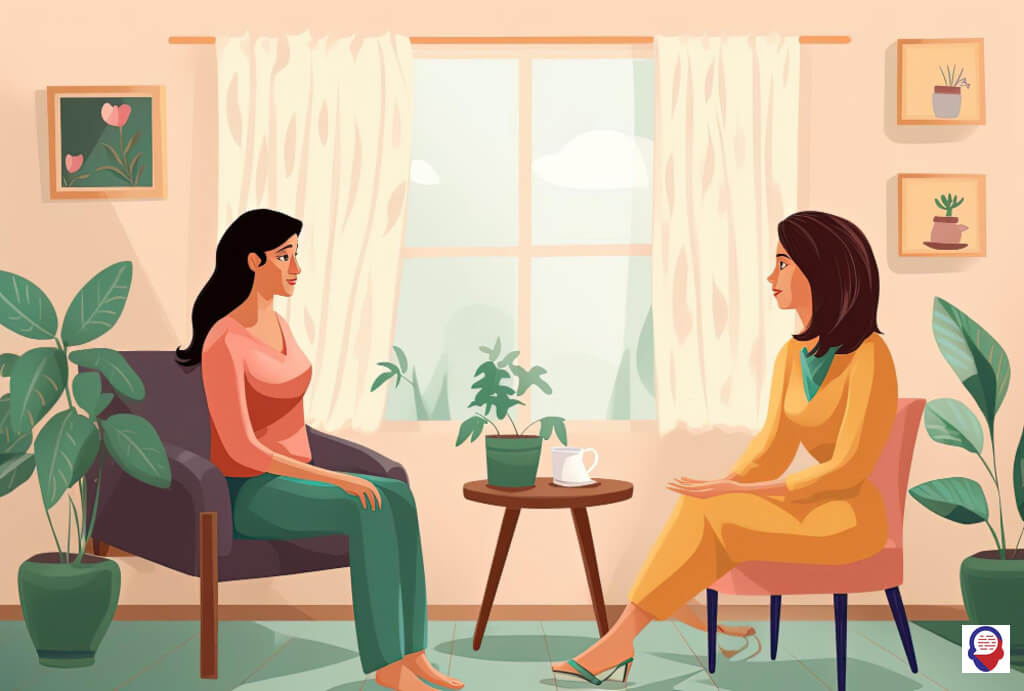
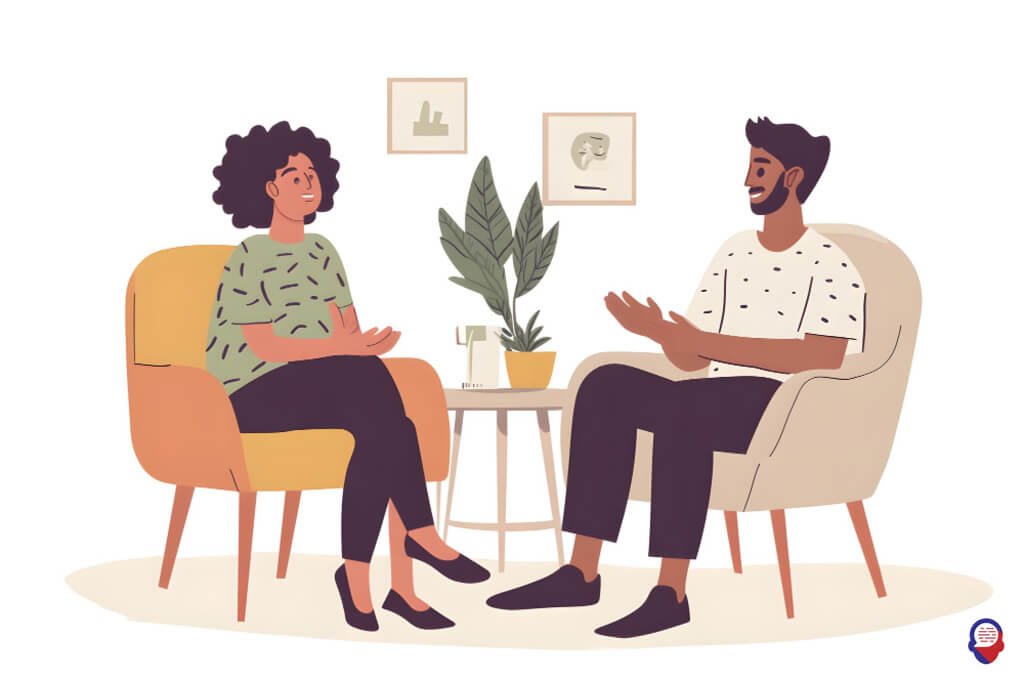
You can expect your CBT sessions to be structured, collaborative, and focused on practical skills and goals. Unlike more open-ended therapies, each session typically has a clear agenda designed to help you make steady, measurable progress in overcoming your phobia.

Your first one or two sessions will be an assessment. Your therapist will ask detailed questions to understand the specifics of your phobia, including when it started, what triggers it, how it affects your daily life, and what you’ve tried in the past to cope. This is also a time for you to ask questions and establish a trusting therapeutic relationship. Together, you will set clear, realistic goals for what you want to achieve, for example, "to be able to take a lift to the tenth floor without panicking."
Subsequent sessions will follow a predictable pattern. You’ll usually start by reviewing the previous week and any "homework" you were assigned. Then, you’ll set an agenda for the current session, which might involve learning a new cognitive skill, like identifying thinking errors, or planning an exposure task. A significant portion of the therapy will be dedicated to building your fear hierarchy and then actively working through it, either by practising exposures in the session or planning them for the week ahead.
A crucial part of the process is the between-session work. CBT is not something that just happens for an hour a week in an office, the real change happens when you apply the skills you’re learning in your everyday life. Your therapist will act as your coach, providing guidance and support, but your active participation and commitment to practising the techniques are what will ultimately lead to your success. Each session ends with a summary and the agreement on a new homework task, ensuring you are always moving forward.

How Effective is CBT for Treating Phobias?
CBT is exceptionally effective for treating phobias and is widely considered by mental health professionals to be the gold standard treatment. Decades of research have consistently shown that the vast majority of people who complete a course of CBT for a specific phobia experience significant and lasting relief from their symptoms.
The reason for its high success rate lies in its comprehensive approach. It doesn’t just address one piece of the puzzle, it systematically dismantles the entire structure that keeps a phobia in place. By targeting the cognitive component, it weakens the irrational beliefs that trigger fear. By targeting the behavioural component through exposure, it breaks the cycle of avoidance and allows for new learning to occur, proving to you on a deep, experiential level that you can cope.
The benefits of CBT extend far beyond the resolution of the phobia itself. The skills you learn, such as challenging negative thoughts and facing uncomfortable situations, are transferable life skills. They can help you manage other sources of stress and anxiety, building your overall resilience and confidence. Unlike some treatments that may only manage symptoms, CBT equips you with the tools to be your own therapist, empowering you to maintain your progress long after therapy has concluded.

Are There Any Downsides or Challenges to CBT?
While highly effective, it’s important to acknowledge that CBT does present some challenges and requires a significant commitment from the individual. The main challenge is that the process, particularly exposure therapy, is designed to make you face your fears, which can be uncomfortable and anxiety-provoking in the short term.
Success in CBT is directly linked to your willingness to be an active participant. It is not a passive process where a therapist "fixes" you. The progress you make is heavily dependent on your commitment to completing the between-session tasks and consistently applying the strategies you learn. This can be difficult, especially when you are feeling anxious or unmotivated.
Another key aspect is that exposure therapy requires courage. It is a gradual process, but it intentionally and safely puts you in contact with the very thing you have spent years avoiding. This can feel daunting, and it’s normal to feel a degree of trepidation. A good therapist will be your guide and support system, ensuring you never feel overwhelmed, but the work itself requires your active effort.
Finally, finding a therapist who is well-trained and experienced specifically in CBT for phobias is crucial for success. The effectiveness of the treatment is tied to the skill of the practitioner in applying its principles correctly. Despite these challenges, for most people, the short-term discomfort is a small price to pay for the long-term freedom and empowerment that comes from overcoming a debilitating phobia.
Frequently Asked Questions
How long does CBT for phobias usually take? The duration of CBT for phobias can vary depending on the individual, the complexity of the phobia, and their commitment to the process. However, it is typically a short-term therapy, often ranging from 8 to 20 weekly sessions. Some simpler, specific phobias may be resolved even more quickly, while more complex issues like social phobia or agoraphobia might require a longer course of treatment to achieve lasting results.

Can I do CBT for my phobia on my own? While there are many excellent self-help books and online resources based on CBT principles, working with a qualified therapist is highly recommended, especially when it comes to exposure therapy. A therapist provides crucial guidance, ensures the fear hierarchy is constructed properly, and offers support and encouragement when the process feels challenging. They can help you stay motivated and ensure the exposure is done safely and effectively, which can be difficult to manage on your own.


Is medication needed alongside CBT for phobias? For many people, CBT alone is a highly effective treatment for phobias and medication is not necessary. However, in some cases, particularly with severe phobias, agoraphobia, or when there is a co-occurring condition like depression, a doctor or psychiatrist may recommend medication. Antidepressants or anti-anxiety medications can sometimes be used to reduce the overall level of anxiety, making it easier for a person to engage with the therapeutic work of CBT. This is always a personal decision made in consultation with a medical professional.

What if my phobia is really embarrassing or strange? It is very common for people with phobias to feel embarrassed or ashamed, worrying that their fear is silly or irrational. A trained CBT therapist is a professional who has worked with a wide range of fears and anxieties. They provide a safe, confidential, and completely non-judgemental space. Therapists understand that the specific object of the phobia is less important than the underlying structure of the fear, the thinking patterns, and the avoidance behaviours. Your fear will be taken seriously and treated with respect, no matter what it is.
A phobia doesn’t have to define your world or limit your potential. At Counselling-uk, we believe everyone deserves to live a full life, free from the constraints of fear. We provide a safe, confidential, and professional place where you can get the expert advice and help you need to face life’s challenges. Our dedicated therapists are trained in proven techniques like CBT and are here to support you, at your own pace, on the path to reclaiming your freedom.
Don’t let fear make the decisions for you any longer. Take the first, brave step towards a life without limits. Reach out to Counselling-uk today. We’re here to help.
A key element of success is how motivated the client is to work through their fear. Those who are willing to face their fears and practice their new coping skills regularly are likely to see results sooner. On average, it may take 3-8 months for someone with a milder form of a phobia to make progress in CBT. For more complex or longstanding cases, it could take up to a year or more, although most clients experience at least some relief after just several sessions.