Your Path to Healing: Finding an Eating Disorder Therapist
Taking the first step towards recovery can feel like standing at the edge of a vast, unknown territory. It’s a landscape filled with fear, uncertainty, and perhaps a flicker of hope. You understand that something needs to change, but the path forward is shrouded in mist. This is where a guide becomes essential, someone who not only knows the terrain but can walk it with you, offering expertise, compassion, and a steady hand. That guide is an eating disorder therapist.
Choosing to seek help is an act of profound courage. It is a declaration that you are worth more than your illness. This journey is yours, but you do not have to walk it alone. An experienced therapist can illuminate the path, help you navigate the obstacles, and empower you to reclaim your life from the grips of an eating disorder.

What is an eating disorder therapist?
An eating disorder therapist is a mental health professional with specialized training and experience in diagnosing and treating the complex psychological and behavioral aspects of conditions like anorexia nervosa, bulimia nervosa, binge eating disorder, and others. They go beyond general counseling to address the unique interplay of food, body image, and emotional regulation that defines these illnesses.
This specialization is not just an added bonus, it is the bedrock of effective treatment. These therapists understand the specific thought patterns, the biological underpinnings, and the deep-seated emotional struggles that fuel an eating disorder. They possess a toolkit of evidence-based strategies designed specifically to challenge the disorder’s logic and help you build a new, healthier relationship with yourself.
Think of it this way, while a general practitioner can treat a common cold, you would see a cardiologist for a complex heart condition. The same principle applies here. An eating disorder therapist is a specialist for a specialized and serious illness, bringing a depth of knowledge that is critical for navigating the complexities of recovery.

Why is specialized therapy so important for eating disorders?
Specialized therapy is critically important because eating disorders are not simply about food or weight, they are severe mental illnesses with dangerous medical consequences. A specialist understands the intricate web connecting psychological distress, physiological risk, and behavioral patterns, ensuring that treatment is both safe and effective. Their expertise prevents missteps that could worsen the condition.

How do eating disorders differ from other mental health conditions?
Eating disorders are unique because they exist at a dangerous intersection of mental and physical health. Unlike many other psychiatric conditions, they carry a high risk of severe medical complications, including heart failure, organ damage, and bone density loss, leading to the highest mortality rate of any mental illness. The behaviors are deeply ingrained and often ego-syntonic, meaning they can feel like a core part of a person’s identity, making them incredibly difficult to challenge.
Furthermore, the illness directly impacts a fundamental biological need, the need to eat. This means a person must confront their greatest fear multiple times a day, every single day. This constant exposure requires a therapeutic approach that is deeply nuanced, patient, and skilled in managing extreme anxiety and physiological responses. A general therapist may lack the specific training to safely guide a client through this process.

What risks are involved with non-specialized treatment?
Engaging with a therapist who lacks specific training in eating disorders can be more than just ineffective, it can be actively harmful. A well-meaning but uninformed therapist might oversimplify the issue, offering advice like "just eat" or focusing solely on weight without addressing the underlying psychological torment. This can increase feelings of shame, failure, and isolation for the individual struggling.
There are also significant safety risks. A non-specialist may not recognize the subtle signs of medical instability, failing to refer a client for necessary medical care when their life is at risk. They might inadvertently collude with the eating disorder by praising weight loss or failing to challenge distorted beliefs about health and nutrition, reinforcing the very thoughts that keep the person trapped.

What does a specialist bring to the table?
A specialist brings a wealth of targeted knowledge and experience. They have walked this path with many others before you and understand its predictable pitfalls and surprising turns. They are fluent in the language of the eating disorder, recognizing its manipulative tactics and subtle justifications without judgment.
This expertise translates into a more effective and efficient recovery process. A specialist can quickly identify the core functions of the eating disorder, whether it serves to numb emotions, create a sense of control, or communicate distress. They are equipped with evidence-based modalities like Cognitive Behavioral Therapy for Eating Disorders (CBT-E) or Family-Based Treatment (FBT), which are specifically designed to dismantle the illness. Most importantly, they can hold hope for you even when you feel you have none left.

What should you look for in an eating disorder therapist?

You should look for a therapist who combines formal qualifications with extensive, specific experience and a therapeutic style that makes you feel safe, respected, and understood. The right therapist will not only have the right credentials but will also be someone you can build a strong, trusting relationship with, as this alliance is one of the most powerful predictors of a successful outcome.

What qualifications and credentials matter?
Start with the basics. Ensure the therapist is a licensed mental health professional in your region, such as a licensed professional counselor (LPC), licensed clinical social worker (LCSW), licensed marriage and family therapist (LMFT), or a psychologist (PhD or PsyD). This licensure guarantees they have met rigorous educational and ethical standards.
Beyond basic licensure, look for signs of specialization. A huge plus is a certification like "Certified Eating Disorders Specialist" (CEDS), offered by organizations like the International Association of Eating Disorders Professionals (iaedp). This indicates the therapist has dedicated significant time to supervised practice, continuing education, and has passed a rigorous exam in the field. Even without a formal certification, their professional biography should clearly state that treating eating disorders is a primary focus of their practice.

Which therapeutic approaches are most effective?
There is no single "best" therapy, but several evidence-based approaches have proven highly effective for eating disorders. A good therapist will be trained in one or more of these and will tailor the approach to your specific needs. Cognitive Behavioral Therapy-Enhanced (CBT-E) is a leading treatment that focuses on changing the behaviors and thought patterns that maintain the eating disorder.
For adolescents with anorexia, Family-Based Treatment (FBT), also known as the Maudsley Method, is often the first line of defense, empowering parents to help their child with nutritional restoration. Other valuable modalities include Dialectical Behavior Therapy (DBT), which is excellent for building emotion regulation and distress tolerance skills, and Acceptance and Commitment Therapy (ACT), which helps you clarify your values and act in ways that align with them, rather than with the eating disorder’s rules.

How important is their experience?
Experience is paramount. An eating disorder is a powerful and cunning illness, and a therapist who has seen it in its many forms will be less likely to be surprised or manipulated by it. Ask potential therapists about their experience directly. How many years have they been treating eating disorders? What percentage of their caseload is dedicated to this work?
Inquire about their experience with your specific diagnosis and age group. Someone who primarily works with adolescents using FBT might not be the best fit for an adult with long-term binge eating disorder. Experience across different levels of care, such as outpatient, intensive outpatient, and residential, is also a valuable asset, as it gives the therapist a broader understanding of the recovery continuum.

Does the therapist’s personality and style fit you?
This is the intangible but essential element. You will be sharing your most vulnerable thoughts and fears with this person. You must feel that they are on your side. During an initial consultation, pay attention to how you feel in their presence. Do you feel heard and not judged? Do they seem compassionate yet able to hold firm boundaries?
Trust your gut. A therapist can have every credential in the world, but if you don’t feel a sense of connection and safety, the therapy is unlikely to be effective. It is perfectly acceptable to "shop around" and have consultations with a few different therapists before you commit. This is a crucial relationship, and you have the right to find the person who is the best fit for you.

What can you expect during your first therapy session?
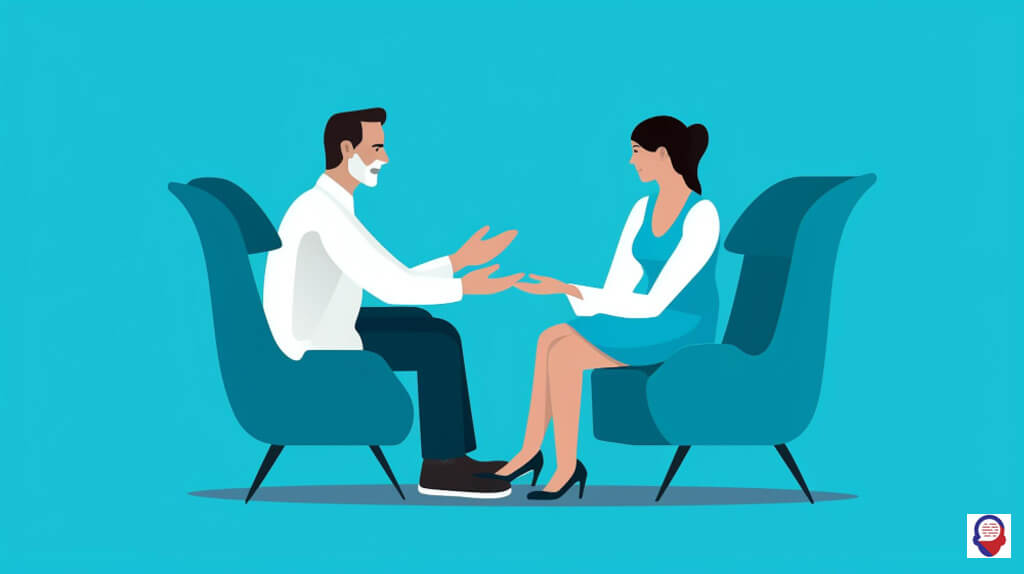
You can expect your first session to be a comprehensive assessment where the therapist gathers information about your history, your current struggles, and your goals for treatment. It is a two-way street, it’s as much about you interviewing them as it is about them getting to know you. The primary goal is to establish a foundation of safety and begin building a therapeutic alliance.

What kind of questions will the therapist ask?
The therapist will likely ask a wide range of questions to get a full picture of your situation. They will inquire about your relationship with food and your body, including specific behaviors like restriction, bingeing, or purging. They will ask about the history of the eating disorder, when it started, and how it has evolved.
Be prepared for questions about your physical health, including any medical complications, and your mental health, such as experiences with anxiety, depression, trauma, or obsessive-compulsive patterns. They will also ask about your social support system, your daily life, and what you hope to gain from therapy. While these questions can feel intrusive, they are essential for creating an effective and safe treatment plan.
What should you prepare to share?

The most helpful thing you can prepare is a willingness to be as honest as you can be. Remember, the therapist is there to help, not to judge. They have heard it all before, and their office is a confidential space. It is okay to feel nervous or ashamed, and it is also okay to say, "I’m not ready to talk about that yet."
You don’t need to have your entire life story perfectly organized. Just sharing what is most pressing for you right now is a perfect place to start. If it helps, you could jot down a few notes beforehand about key concerns or questions you have for the therapist. This can help you feel more grounded during the appointment.

Is it just about talking?
While talking is the primary medium of therapy, it is much more than just a conversation. A skilled eating disorder therapist facilitates a structured, goal-oriented process. The session is a collaborative workspace where you and the therapist work together to understand the eating disorder’s function and develop new skills to replace it.
Therapy involves learning and practicing. You might work on creating structured eating plans, identifying and challenging cognitive distortions, developing new coping strategies for difficult emotions, or engaging in "exposures" to feared foods or situations in a safe, supported way. It is an active process of unlearning old patterns and building a new life.
How does therapy address the physical and mental aspects of an eating disorder?
Effective therapy addresses the intertwined physical and mental aspects of an eating disorder through an integrated, multi-faceted approach. It recognizes that you cannot heal the mind while the body is in a state of crisis, and you cannot heal the body without addressing the psychological drivers of the illness. This dual focus is essential for lasting recovery.

How is food and eating discussed in therapy?
In therapy, food is approached from a neutral, non-judgmental standpoint. The therapist helps you separate food from morality, challenging the idea of "good" and "bad" foods. The focus is on nutritional rehabilitation, which means ensuring your body and brain are adequately nourished so that psychological work can be effective. Starvation dramatically affects cognition, making it nearly impossible to think clearly or engage in therapy.
Discussions will likely involve practical strategies, such as "mechanical eating," which means eating on a schedule regardless of hunger or fullness cues, which are often unreliable in an eating disorder. The goal is to re-establish regular patterns of eating, reduce food-related rituals and anxieties, and eventually, help you reconnect with your body’s natural signals in a healthy way. This is not about willpower, it’s about using behavioral science to heal.

How is body image addressed?
Body image work is a cornerstone of eating disorder therapy, but it often comes after initial nutritional and behavioral stabilization. It is incredibly difficult to work on body image when the brain is malnourished. The initial focus is often on reducing body-checking behaviors, like frequent weighing or mirror-gazing, which only fuel dissatisfaction.
As therapy progresses, the work deepens. The therapist helps you challenge the distorted beliefs you hold about your body and question the societal and cultural messages that equate thinness with worth. The goal is often not "body positivity," which can feel impossibly far away, but "body neutrality," an acceptance of your body as the vessel that carries you through life, deserving of respect and care regardless of its shape or size.

What about co-occurring conditions like anxiety or depression?
It is the rule, not the exception, for eating disorders to co-exist with other mental health conditions like anxiety disorders, depression, obsessive-compulsive disorder (OCD), and post-traumatic stress disorder (PTSD). A skilled eating disorder therapist is trained to treat these conditions concurrently. They understand that the eating disorder may have developed as a coping mechanism for these other struggles.
The treatment plan will be integrated, addressing, for example, how social anxiety might trigger binge eating, or how depressive symptoms can deplete the motivation needed for recovery. By treating the whole person, not just the eating symptoms, therapy provides a more robust and sustainable foundation for healing.

Will a therapist work with other professionals?

Absolutely. The gold standard of care for eating disorders involves a multidisciplinary treatment team. A competent therapist will insist on this collaborative approach for your safety and well-being. They will want to work closely with your other providers to ensure everyone is on the same page.
This team typically includes a medical doctor or pediatrician to monitor your physical health, vital signs, and any medical complications. It also almost always includes a registered dietitian who specializes in eating disorders. The dietitian provides expert guidance on nutrition, helps create meal plans, and works to normalize eating. In some cases, a psychiatrist may also be involved to manage medications for co-occurring conditions. Your therapist acts as the team’s quarterback, coordinating care and ensuring the psychological aspects of recovery are always at the forefront.
Frequently Asked Questions

How long does eating disorder therapy take?
The duration of eating disorder therapy varies greatly from person to person and depends on the severity and duration of the illness, the presence of co-occurring conditions, and the individual’s life circumstances. Recovery is not a linear process and there is no standard timeline. It is best viewed as a long-term commitment to well-being rather than a quick fix. Some people may see significant progress within a year, while others may need several years of consistent support to build a strong and lasting recovery.

Is online therapy effective for eating disorders?
Yes, for many individuals, online therapy (telehealth) can be a highly effective and accessible option for treating eating disorders. It removes geographical barriers, making it possible to work with a specialist who may not be located nearby. Research has shown that for many clients, particularly those with binge eating disorder or bulimia, telehealth can produce outcomes comparable to in-person therapy. However, it may not be appropriate for individuals who are medically unstable or require a higher level of care.

How do I find a qualified therapist near me?
Finding a qualified therapist can feel daunting, but there are excellent resources available. You can start by checking the provider directories of professional organizations dedicated to eating disorders, such as the National Eating Disorders Association (NEDA) in the US or Beat in the UK. Searching for terms like "Certified Eating Disorders Specialist" or "eating disorder treatment" along with your location can also yield good results. Additionally, asking your primary care doctor for a referral can be a great starting point.

What if I feel like I’m not “sick enough” for therapy?
This is one of the most common and insidious thoughts that the eating disorder uses to keep you from seeking help. There is no such thing as being "not sick enough." If your relationship with food, exercise, or your body is causing you distress and impacting your quality of life, you are deserving of support. Eating disorders thrive in secrecy and comparison. Waiting until you are "sicker" is a dangerous trap set by the illness itself. Reaching out for a consultation is a sign of strength, not an admission of being "sick enough."
At Counselling-uk, we understand that reaching out is the hardest and most important step. Your journey to healing deserves a guide who is not only an expert, but a compassionate partner. We believe in creating a safe, confidential, and professional space where you can be seen, heard, and understood without judgment. Here, you will find support for all of life’s challenges, especially the one you are facing right now. Connect with one of our specialized therapists today and take the first step towards reclaiming your life. You are worth it.