
Find Your Inner Strength Through Self-Esteem Counselling
What does it mean to truly value yourself? It’s a question that sits at the very core of our human experience. Self-esteem is not about arrogance or vanity, it’s the quiet, internal knowledge that you are worthy, capable, and deserving of respect, most importantly from yourself. It is the foundation upon which we build our lives, influencing our decisions, our relationships, and our ability to navigate the inevitable challenges that come our way. When that foundation is shaky, every part of our world can feel unstable.
Living with low self-esteem is like trying to run a race with weights tied to your ankles. It drains your energy, clouds your judgment, and holds you back from reaching your full potential. You might find yourself second-guessing every choice, replaying mistakes on a loop, or feeling like an imposter in your own life. But this is not a life sentence. Building healthy self-esteem is a skill, and like any skill, it can be learned, practiced, and mastered. This is where the transformative power of therapy comes into play.
This comprehensive guide will walk you through the world of self-esteem therapy. We will explore what it is, who it’s for, and how it works to dismantle the negative beliefs that hold you captive. Consider this your first step on a path toward a more confident, compassionate, and authentic relationship with the most important person in your life, you.

What Exactly Is Self-Esteem Therapy?
Self-esteem therapy is a focused type of counselling designed to help you understand and improve the way you feel about yourself. It is not a single, rigid technique, but rather a supportive and collaborative process that addresses the root causes of low self-worth. The primary goal is to help you identify, challenge, and ultimately change the deep-seated negative beliefs and thought patterns that undermine your value.
Think of it as a form of personal archaeology. With a therapist as your guide, you will dig beneath the surface of your current feelings to uncover the experiences, messages, and assumptions that have shaped your self-perception. This journey of discovery allows you to rebuild your internal foundation on principles of truth, self-compassion, and authentic strength, rather than on outdated scripts of criticism and self-doubt.
The therapeutic environment provides a unique space for this work. It is a place free from judgment, where you can be completely honest about your fears and insecurities without the risk of criticism. This safety is crucial, as it allows you to explore vulnerable parts of yourself and begin the process of healing and growth.

How Do I Know If I Need Help With My Self-Esteem?
Recognising the need for help is the first and most powerful step toward change. The signs of low self-esteem can be subtle, often disguised as personality quirks or bad habits, but their collective impact is significant. If you consistently feel that you are not good enough, struggle with self-criticism, or find your life limited by fear and doubt, therapy could be incredibly beneficial.
These feelings are more than just a "bad day," they are persistent patterns that colour your perception of yourself and the world. They can prevent you from pursuing opportunities, forming healthy relationships, and experiencing genuine happiness. Acknowledging these patterns is not a sign of weakness, it is an act of profound self-awareness and strength.

Could Negative Self-Talk Be a Sign?
Yes, a persistent and harsh inner critic is one of the most common and damaging signs of low self-esteem. This is the internal voice that magnifies your flaws, dismisses your accomplishments, and constantly compares you unfavourably to others. It might tell you that you are not smart enough, attractive enough, or successful enough, regardless of any evidence to the contrary.
This relentless monologue of negativity can become so normal that you barely notice it, accepting its judgments as fact. In therapy, you learn to recognise this voice for what it is, a collection of old, unhelpful beliefs, not an accurate reflection of your worth. You develop the skills to question its authority, challenge its statements, and replace it with a more balanced and compassionate internal dialogue.

Does Avoiding Challenges Indicate a Problem?
Yes, consistently shying away from new opportunities or challenges is a strong indicator of low self-esteem. This avoidance is typically rooted in an intense fear of failure or rejection. If you believe, deep down, that you are incapable or unworthy, the prospect of failing at something new feels like a confirmation of that belief, a risk too great to take.
This can manifest as staying in a job you dislike, avoiding social situations, or giving up on personal goals before you even start. You might tell yourself you are just being "realistic" or "cautious," when in reality, you are allowing fear to draw the boundaries of your life. Therapy helps you untangle this fear, build resilience, and develop the confidence to step outside your comfort zone and embrace growth.

Is People-Pleasing Related to Low Self-Esteem?

Absolutely. People-pleasing is the act of consistently prioritising the needs and desires of others over your own, often at great personal cost. It stems from a belief that your value is dependent on external validation and the approval of others. You might find it difficult to say no, agree with things you don’t believe in, or go to great lengths to avoid conflict, all in an effort to be liked and accepted.
While being kind and considerate is a positive trait, chronic people-pleasing is different. It is driven by a fear of disapproval and a sense that you must "earn" your place in relationships. This behaviour is exhausting and ultimately unsustainable, leading to resentment and a loss of your own identity. Counselling can help you build the internal validation you need, so you can form relationships based on mutual respect, not on a desperate need for approval.

What About Sensitivity to Criticism?
Yes, an extreme sensitivity to criticism is a hallmark of a fragile sense of self. When your self-worth is low, any form of negative feedback, no matter how small or constructive, can feel like a devastating personal attack. It confirms your deepest fears about your own inadequacy, causing you to feel shame, anger, or deep hurt.
You might find yourself becoming defensive, lashing out, or ruminating for days over a single critical comment. This makes it difficult to learn from mistakes or accept guidance, which are essential for personal and professional growth. In therapy, you work on building a more resilient sense of self, one that is not so easily shaken by the opinions of others. You learn to separate feedback from your inherent worth, allowing you to evaluate it objectively and use it for growth.

What Causes Low Self-Esteem in the First Place?
Low self-esteem rarely comes from a single event, it is typically woven from many threads over a long period. The origins are complex and deeply personal, often stemming from a combination of early life experiences, significant life events, and even personality traits. Understanding these roots is a crucial part of the healing process.
It is not about placing blame or dwelling on the past. Instead, it is about making sense of your story. By understanding where your negative self-beliefs came from, you can begin to see them as learned patterns rather than fundamental truths about who you are. This insight is the key that unlocks your ability to change them.

Can Childhood Experiences Affect My Self-Worth?
Yes, childhood is the period when our fundamental beliefs about ourselves are formed, making these experiences incredibly impactful. A child who receives consistent love, encouragement, and support is likely to develop a healthy sense of value. Conversely, difficult or painful childhood experiences can lay the groundwork for lifelong struggles with self-esteem.
This could include having overly critical or demanding parents, experiencing neglect, or not having your emotional needs met. Bullying from peers, academic struggles that were met with disapproval, or growing up in an unstable environment can also leave deep scars. These experiences teach a child that they are somehow flawed, not good enough, or that their worth is conditional, beliefs that are often carried unconsciously into adulthood.

How Do Life Events Impact How I See Myself?
Significant life events, especially in adulthood, can profoundly impact or reinforce our sense of self. Even someone with a relatively healthy self-esteem can be shaken by a major setback. These events can challenge our identity and our belief in our own competence and value.
Examples include the loss of a job, the end of an important relationship, a serious illness, financial hardship, or experiencing a traumatic event. These situations can trigger feelings of failure, shame, or powerlessness. If you already have a fragile sense of self, these events can feel like confirmation of your deepest insecurities, sending you into a spiral of negative self-perception.

Is My Personality a Factor?
Yes, certain innate personality traits can make a person more susceptible to developing low self-esteem. This does not mean your personality is a flaw, it simply means you might have a natural predisposition that requires more conscious effort to manage.
For instance, individuals with a tendency towards perfectionism often set impossibly high standards for themselves. Because these standards are rarely met, they live with a constant feeling of failure. Similarly, a person with a naturally pessimistic outlook may be more inclined to focus on their weaknesses and discount their strengths. Understanding your own temperament is a key part of learning to work with it, not against it.

Does Society or Media Play a Role?

Undoubtedly. We are constantly bombarded with messages from society and the media about what it means to be successful, beautiful, and happy. These portrayals are often highly curated, unrealistic, and narrow, creating an impossible standard that most people can never achieve.
Social media, in particular, can be a breeding ground for comparison and self-doubt. We see highlight reels of other people’s lives and can easily fall into the trap of believing our own life is inadequate in comparison. This external pressure can erode self-esteem by promoting the idea that your worth is based on external markers like wealth, appearance, or popularity, rather than on your intrinsic value as a person.

What Happens During a Self-Esteem Therapy Session?
A self-esteem therapy session is a dedicated time for you to explore your thoughts and feelings in a safe, confidential, and non-judgmental environment. It is a collaborative partnership between you and your therapist. The primary focus is on building a trusting therapeutic relationship, as this trust is the foundation for all meaningful progress.
You are in the driver’s seat of your own journey, deciding what you want to talk about and what you want to achieve. The therapist acts as a skilled and compassionate navigator, helping you make sense of your internal world, offering new perspectives, and equipping you with the tools you need to build a healthier relationship with yourself.

Will I Just Talk About My Feelings?
While talking about your feelings is an important part of the process, self-esteem therapy goes much deeper. It is an active and structured exploration of the connections between your thoughts, feelings, and behaviours. You will not only express your emotions but also learn to understand where they come from and how they influence your actions.
The work involves identifying the core negative beliefs that fuel your low self-esteem. For example, a belief like "I am unlovable" might lead to feelings of sadness and anxiety, which in turn cause you to avoid intimacy. Therapy helps you trace these patterns back to their source, examine the evidence for and against your beliefs, and develop new, more adaptive ways of thinking and behaving.
What Is the Therapist’s Role?
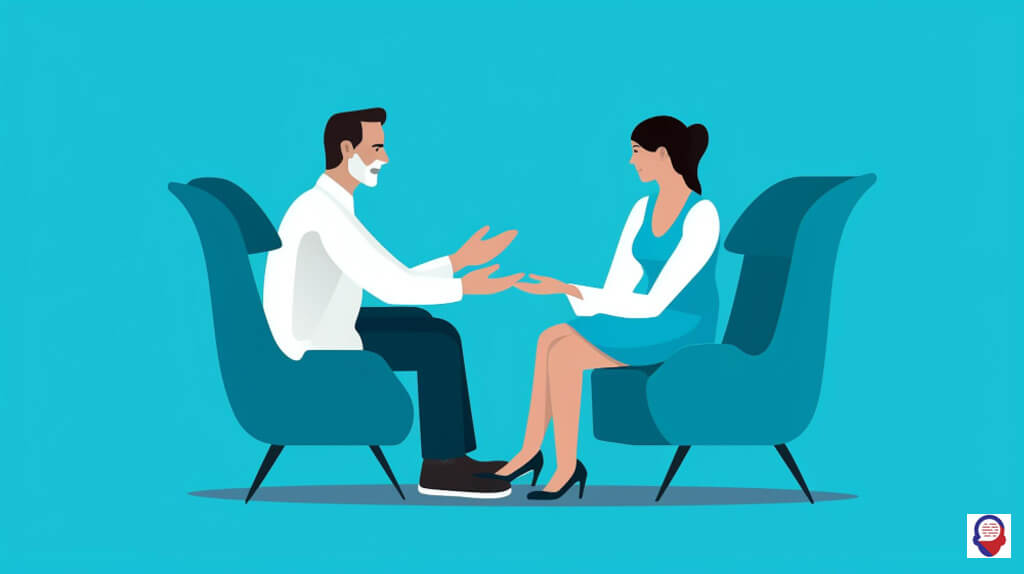
The therapist’s role is multifaceted, they are a listener, a guide, a mirror, and a supportive ally. They listen with empathy and without judgment, creating the safety needed for you to be vulnerable. They guide you in exploring difficult topics, asking thoughtful questions that help you gain deeper insight into your own mind.
A therapist can act as a mirror, reflecting your patterns back to you in a way that allows you to see them more clearly. They will gently challenge your self-limiting beliefs and help you see your strengths, which you may have been overlooking for years. Most importantly, they provide consistent, unwavering support, reminding you that you are not alone and that change is possible.

How Do We Set Goals for Therapy?
Goal setting in therapy is a collaborative and empowering process. At the beginning of your journey, you and your therapist will work together to define what you hope to achieve. These goals are not imposed on you, they come directly from your own desires for your life.
Your goals might be specific, such as "I want to be able to state my opinion in meetings at work," or more general, like "I want to feel less anxious in social situations." They could also be internal, such as "I want to silence my inner critic." These goals provide a clear direction for your work together and serve as milestones to track your progress and celebrate your successes along the way.

What Therapeutic Approaches Are Used for Building Self-Esteem?
There is no one-size-fits-all approach to building self-esteem, so therapists often draw from several different modalities to create a plan tailored to your specific needs. A skilled counsellor will integrate various techniques to address your thoughts, emotions, past experiences, and behaviours. The focus is always on what will be most effective for you.
This integrated approach ensures that the therapy is holistic, addressing the whole person, not just one isolated symptom. Below are some of the most effective and commonly used therapeutic models for improving self-worth.

How Does Cognitive Behavioural Therapy (CBT) Help?

Cognitive Behavioural Therapy, or CBT, is a highly effective and practical approach for tackling low self-esteem. Its core principle is that our thoughts, feelings, and behaviours are interconnected. CBT helps you become aware of the negative automatic thoughts that contribute to your poor self-image and teaches you how to challenge and reframe them.
For example, if you make a small mistake at work, your automatic thought might be, "I’m a complete failure." This thought leads to feelings of shame and might cause you to avoid your boss. A CBT therapist would help you examine this thought, question its validity, and replace it with a more balanced and realistic one, such as, "I made a mistake, which is human. I can learn from it and do better next time." This process, repeated over time, fundamentally rewires your thought patterns.

What Is a Psychodynamic Approach?
A psychodynamic approach delves into your past to understand how it is influencing your present. This therapy is based on the idea that our unconscious mind holds onto past experiences, relationships, and unresolved conflicts, which then shape our current feelings and behaviours. It is particularly useful for uncovering the deep-seated roots of low self-esteem.
In psychodynamic therapy, you might explore your early relationships with caregivers and other significant figures to understand how those dynamics formed your core beliefs about yourself. By bringing these unconscious patterns into conscious awareness, you can begin to understand them and reduce their power over your life. It is a journey of self-discovery that can lead to profound and lasting change.

Could Compassion-Focused Therapy Be a Solution?
Yes, Compassion-Focused Therapy (CFT) is an excellent approach for individuals who struggle with high levels of self-criticism and shame. It was developed specifically to help people cultivate a sense of inner warmth, safety, and self-kindness. CFT teaches that your harsh inner critic is often a misguided attempt by your brain to keep you safe, by trying to "correct" your flaws to avoid rejection.
The therapy helps you understand this and then actively develop a more compassionate inner voice. You will learn practical exercises, such as soothing breathing techniques and mindfulness practices, designed to calm your threat system and activate your capacity for self-compassion. CFT is not about letting yourself off the hook, it is about learning to motivate yourself with kindness and encouragement rather than with fear and criticism.
What About Person-Centred Therapy?
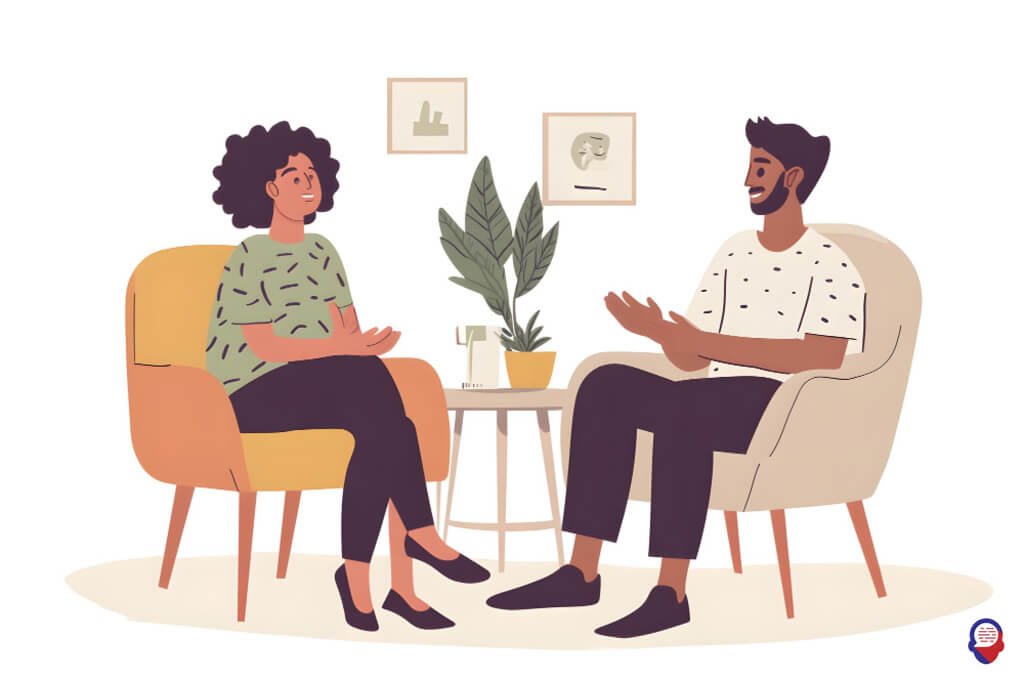
Person-Centred Therapy, also known as client-centred therapy, is founded on the belief that every individual has an innate capacity for growth and healing. The therapist’s role is to create a supportive environment characterised by three core conditions: unconditional positive regard, empathy, and genuineness.
Unconditional positive regard means the therapist accepts and values you completely, without any judgment. Empathy involves deeply understanding your world from your perspective. Genuineness means the therapist is authentic and real in the relationship. Within this deeply affirming environment, you are free to explore your true self, reconnect with your own values, and build a sense of worth that comes from within, not from external approval.

What Practical Skills Will I Learn in Therapy?
Therapy is not just about insight, it is about building practical, real-world skills that you can use for the rest of your life. The goal is to empower you to become your own therapist, equipped with a toolbox of strategies to manage your thoughts, regulate your emotions, and navigate life’s challenges with confidence.
These are not quick fixes, but durable skills that, with practice, become second nature. They represent the tangible "how-to" of building and maintaining healthy self-esteem, allowing you to continue your growth long after your therapy sessions have ended.

How Can I Learn to Challenge My Inner Critic?
You will learn specific techniques, often drawn from CBT, to systematically dismantle your inner critic. This starts with simply noticing and identifying the negative thoughts when they arise. You will learn to treat these thoughts not as facts, but as hypotheses that need to be tested.
A key tool is the "thought record," where you write down a negative thought, identify the emotions it causes, and then list the evidence for and against it. This process of externalising and examining the thought breaks its automatic power. Over time, you learn to generate more balanced, compassionate, and realistic alternative thoughts, effectively replacing your inner critic with an inner coach.

What Are Healthy Boundaries and How Do I Set Them?

Healthy boundaries are the limits you set to protect your well-being, energy, and mental health. For people with low self-esteem, setting boundaries can feel selfish or frightening. Therapy provides a safe space to explore your beliefs about boundaries and understand their importance.
You will learn practical communication skills to assert your needs respectfully and effectively. This includes learning how to say "no" without guilt, how to delegate tasks, and how to protect your time and energy. Setting boundaries is a powerful act of self-respect that sends a clear message to yourself and others that your needs are valid and important.

How Do I Practice Self-Compassion?
Self-compassion is the art of treating yourself with the same kindness and understanding you would offer a good friend. In therapy, you will learn concrete practices to develop this skill. This might involve guided meditations that focus on generating feelings of warmth and kindness toward yourself.
You will also learn self-soothing techniques to manage difficult emotions. When you feel overwhelmed by shame or anxiety, you might practice placing a hand on your heart, speaking to yourself with gentle words, or engaging in a calming activity. These small but powerful actions retrain your brain to respond to distress with care instead of criticism.

Can I Learn to Acknowledge My Strengths?
Yes, a major part of building self-esteem is learning to see yourself as a whole person, which includes your strengths and positive qualities. Low self-esteem creates a mental filter that blocks out the positive and focuses only on the negative. Therapy helps you remove this filter.
Your therapist might guide you through exercises to identify your character strengths, skills, and past achievements, no matter how small they seem. You may be encouraged to keep a ‘success journal’ where you write down three things you did well each day. This practice retrains your brain to notice and internalise your accomplishments, building a more balanced and accurate self-view.

How Long Does Self-Esteem Therapy Usually Take?
The duration of self-esteem therapy is highly individual and depends on several factors, including the depth of the issues and your personal goals. There is no standard timeline, as the process is tailored to your unique journey. Some people may find significant relief and develop new skills in a few months, while others with more deep-seated issues may benefit from longer-term work.
The most important thing is not the speed of the process, but the quality of the change. The goal is to create lasting, meaningful shifts in your self-perception, not just to apply a temporary bandage. Your therapist will discuss this with you, and together you can regularly review your progress and adjust the plan as needed.
Frequently Asked Questions

Is self-esteem therapy covered by insurance? This depends entirely on your specific insurance plan and provider. Many insurance plans do offer coverage for mental health services, including therapy for issues like low self-esteem, which may be diagnosed under related conditions such as anxiety or depression. It is essential to contact your insurance company directly to understand the details of your coverage, including any requirements for referrals or limitations on the number of sessions.

Can I improve my self-esteem on my own? It is certainly possible to make progress on your own through self-help books, journaling, and practicing new habits. However, therapy offers a level of support, structure, and professional guidance that is difficult to replicate. A therapist provides objective feedback, helps you uncover blind spots, and keeps you accountable. For deep-rooted issues, the safety and expertise of a therapeutic relationship can be instrumental in achieving profound and lasting change.

What’s the difference between self-esteem and confidence? Self-esteem and confidence are related but distinct concepts. Self-esteem is your overall sense of your own value or worth as a person, it is a global judgment about yourself. Confidence, on the other hand, is more specific, it is your belief in your ability to succeed at a particular task or in a specific situation. You can have high confidence in one area, like your job, but still struggle with low self-esteem overall. Healthy therapy aims to build a solid foundation of self-esteem, from which genuine confidence can grow.

Will therapy make me arrogant? This is a common fear, but it is unfounded. The goal of self-esteem therapy is not to create an inflated ego or a sense of superiority. True self-esteem is the opposite of arrogance. Arrogance is often a mask for deep insecurity, a way of projecting a false sense of importance to convince oneself and others of one’s value. Authentic self-esteem is a quiet, internal state of self-acceptance and self-respect. It allows you to be humble, open to feedback, and genuinely connected to others, because you are no longer operating from a place of deficit or fear.

Your path to self-worth is a deeply personal journey, but you do not have to walk it alone. At Counselling-uk, we are dedicated to providing a safe, confidential, and professional place where you can find advice and help for all of life’s challenges. Our compassionate therapists are here to support you in dismantling old beliefs and finding the authentic strength that already resides within you. Take the first step today.

Better RelationshipsImproving your self esteem can also help you develop better relationships with others. When you have high levels of confidence in yourself, it helps others trust and respect you more easily. You’ll be able to communicate better with others and handle conflicts more effectively without feeling overwhelmed or anxious.