
Healing After Trauma: Your Guide to PTSD Counselling
The echo of a moment can last a lifetime. For those who have experienced trauma, the world can feel fundamentally altered, a place where the past is never truly past. It lives on in sudden, sharp memories, in a heart that races for no reason, in a constant, humming state of alert. This experience has a name, Post-Traumatic Stress Disorder, or PTSD, but giving it a label is only the beginning. The real journey is one of healing, of finding a way back to a sense of safety and self. This is where counselling becomes not just an option, but a lifeline.
Navigating the path of recovery can feel overwhelming, shrouded in questions and uncertainty. What is really happening in my brain? Will I ever feel normal again? What does therapy actually do? This guide is here to walk with you through those questions. It is designed to demystify the process of PTSD counselling, to illuminate the proven methods that help people reclaim their lives, and to offer a clear, compassionate understanding of how healing is not only possible, but achievable. You have already survived the unimaginable, and the strength that carried you through is the same strength that can carry you forward.

What Exactly Is Post-Traumatic Stress Disorder?
Post-Traumatic Stress Disorder is a mental health condition that can develop after a person experiences or witnesses a terrifying, shocking, or dangerous event. It is a normal, human reaction to an abnormal situation, where the brain’s natural survival mechanisms have become stuck in the "on" position long after the danger has passed.
It’s crucial to understand that PTSD is not a sign of personal weakness or a character flaw. It is a legitimate injury, a wound to the nervous system and the psyche. Just as a broken bone needs to be set and healed, the mind and body need specialised care to recover from the profound impact of trauma. The symptoms are the body’s way of trying to cope with an overwhelming experience that it hasn’t yet been able to process and put away.
What are the common symptoms of PTSD?
The symptoms of PTSD are typically grouped into four distinct categories that affect nearly every aspect of a person’s life. These include re-experiencing the event, avoiding reminders of it, having persistent negative thoughts and feelings, and feeling constantly on edge or "keyed up".
Re-experiencing symptoms are perhaps the most well-known. This is when the trauma intrudes into the present moment, uninvited and often with terrifying intensity. It can manifest as intrusive memories, vivid nightmares, or flashbacks where you feel as if you are living through the event all over again. Even sensory triggers, a certain smell, sound, or sight, can pull you right back into the moment of terror.
Avoidance is a natural, protective response. To prevent the pain of re-experiencing, you might go to great lengths to stay away from people, places, conversations, or activities that remind you of the trauma. This can also include emotional avoidance, where you try to push away thoughts and feelings about the event, sometimes leading to a sense of emotional numbness or detachment from others.
Negative changes in thoughts and mood can cast a dark shadow over your entire worldview. You might struggle with persistent and distorted beliefs about yourself or the world, such as "I am bad" or "The world is completely dangerous". This can lead to ongoing feelings of fear, horror, anger, guilt, or shame. Many people also find it difficult to remember important parts of the traumatic event or lose interest in activities they once enjoyed.
Finally, arousal and reactivity symptoms describe a state of constant hypervigilance. Your body remains on high alert, as if danger is always lurking around the corner. This can look like being easily startled, having trouble sleeping, feeling irritable or having angry outbursts, or engaging in reckless or self-destructive behaviour. It is exhausting to live in this state of perpetual readiness.

Why does trauma cause these symptoms?
These symptoms are rooted in the brain’s powerful, primitive survival system. When faced with a life-threatening situation, your brain instantly activates its "alarm system," the amygdala, triggering the fight, flight, or freeze response. This system floods your body with stress hormones like adrenaline and cortisol to help you survive. In a non-traumatic situation, once the threat is gone, your brain’s thinking centre, the prefrontal cortex, signals the alarm system to stand down, and your body returns to normal.
With trauma, this process gets disrupted. The experience is so overwhelming that the brain’s alarm system gets stuck in a state of high alert, unable to shut off. The prefrontal cortex, which is responsible for logic, reason, and putting events into context, can become underactive. This creates a disconnect, where the emotional, survival part of your brain keeps screaming "danger!" even when you are perfectly safe.
Furthermore, traumatic memories are not stored like normal memories. A regular memory is filed away like a story with a beginning, a middle, and an end. A traumatic memory is often stored in fragmented pieces, as raw sensory data, emotions, and physical sensations. This is why a simple sound or smell can trigger a full-blown physical and emotional reaction, because the brain hasn’t been able to integrate the memory into a coherent narrative and file it away as "past".

How Can Counselling Help with PTSD?

Counselling helps with PTSD by creating a safe, structured, and expertly guided environment where you can begin to process the trauma and recalibrate your brain’s response to it. A therapist helps you safely approach the traumatic memories, learn powerful coping skills to manage distressing symptoms, and ultimately change the way the trauma impacts your thoughts, feelings, and daily life.
The goal of therapy is not to make you forget what happened. That is not possible, nor is it the point. The goal is to loosen the trauma’s grip on you. It is about integrating the memory so that it becomes a part of your story, not the entirety of it. Through therapy, the memory can be moved from the "happening now" part of your brain to the "happened then" part, allowing you to live more fully in the present.

Is it ever too late to seek help for PTSD?
No, it is absolutely never too late to seek help for PTSD. The human brain has a remarkable capacity for change and healing, a concept known as neuroplasticity, which continues throughout our entire lives.
Healing is not on a deadline. Whether the trauma occurred three months ago or thirty years ago, effective therapy can help you process the experience and significantly reduce your symptoms. Many people live with the effects of trauma for decades before seeking help and still find profound relief and recovery through counselling. Your timeline is your own, and the courage to seek help is powerful at any age and at any stage.
What makes trauma-informed counselling different?
Trauma-informed counselling is fundamentally different because it operates from the guiding principle of "What happened to you?" rather than "What’s wrong with you?". This approach recognizes the pervasive impact of trauma on every aspect of a person’s life and is designed to create an environment of absolute physical and emotional safety.
A trauma-informed therapist understands that symptoms of PTSD are adaptive survival strategies, not pathologies. The entire therapeutic process is built on a foundation of trust, transparency, collaboration, and empowerment. Your therapist will work with you, not on you, ensuring you are in control of the pace and process. The primary objective is to avoid any possibility of re-traumatization and to help you rebuild a sense of control and agency that the trauma took away.

What Types of Counselling Are Most Effective for PTSD?
There are several highly effective, evidence-based therapies specifically designed for treating PTSD. The most well-researched and commonly recommended approaches include Trauma-Focused Cognitive Behavioural Therapy (TF-CBT), Eye Movement Desensitization and Reprocessing (EMDR), and Prolonged Exposure (PE).
While these are considered the gold standard, the "best" therapy is a personal choice. The most important factor is finding a qualified therapist and a method that resonates with you and feels right for your specific needs and experiences. A good therapist will often integrate elements from different approaches to tailor the treatment directly to you.

What is Trauma-Focused Cognitive Behavioural Therapy (TF-CBT)?
Trauma-Focused Cognitive Behavioural Therapy is a highly structured form of talk therapy that helps you understand and change the unhelpful thinking patterns and behaviours that have developed as a result of the trauma. It provides a clear roadmap for processing the traumatic event in a safe and manageable way.
The therapy typically involves several components. It begins with psychoeducation, where you learn about trauma and its effects on the brain and body. You will then be taught practical skills for relaxation and managing difficult emotions. A core part of TF-CBT is cognitive processing, where you learn to identify, challenge, and reframe distorted thoughts related to the trauma, such as self-blame or a sense of permanent damage. Finally, with the support of your therapist, you may work on creating a trauma narrative, a way of telling the story of what happened that allows you to integrate the experience without being overwhelmed by it.

How does Eye Movement Desensitization and Reprocessing (EMDR) work?
EMDR is a unique form of psychotherapy that uses bilateral stimulation, such as guided eye movements, tapping, or sounds, to help the brain reprocess and resolve traumatic memories. The therapy helps to unlock the brain’s own natural information processing system, which has been disrupted by the trauma.
The theory behind EMDR is that the bilateral stimulation helps to connect the emotional, survival part of the brain where the trauma is stored with the more logical, rational part of the brain. This allows the traumatic memory to be processed and integrated, much like what happens during the REM phase of sleep. As the memory is reprocessed, its emotional charge is reduced. It doesn’t disappear, but it transforms from a vivid, distressing intrusion into a more distant, manageable memory from the past.
What should I know about Prolonged Exposure (PE) therapy?
Prolonged Exposure therapy is a behavioural therapy designed to help you gradually and systematically confront the memories, feelings, and situations related to the trauma that you have been avoiding. The core principle is that avoidance maintains the fear, and gentle, repeated exposure helps to break that cycle.
PE has two main parts. The first is imaginal exposure, where you repeatedly revisit the traumatic memory in your imagination during the therapy session, describing it aloud to your therapist. This helps you process the emotions associated with the memory in a safe space. The second part is in vivo exposure, or "real life" exposure, where you and your therapist create a list of safe situations or activities you’ve been avoiding and you gradually begin to re-engage with them. This process helps you learn that you can manage your anxiety and that the feared consequences do not occur, restoring your confidence and freedom.

What Can I Expect From My First PTSD Counselling Session?
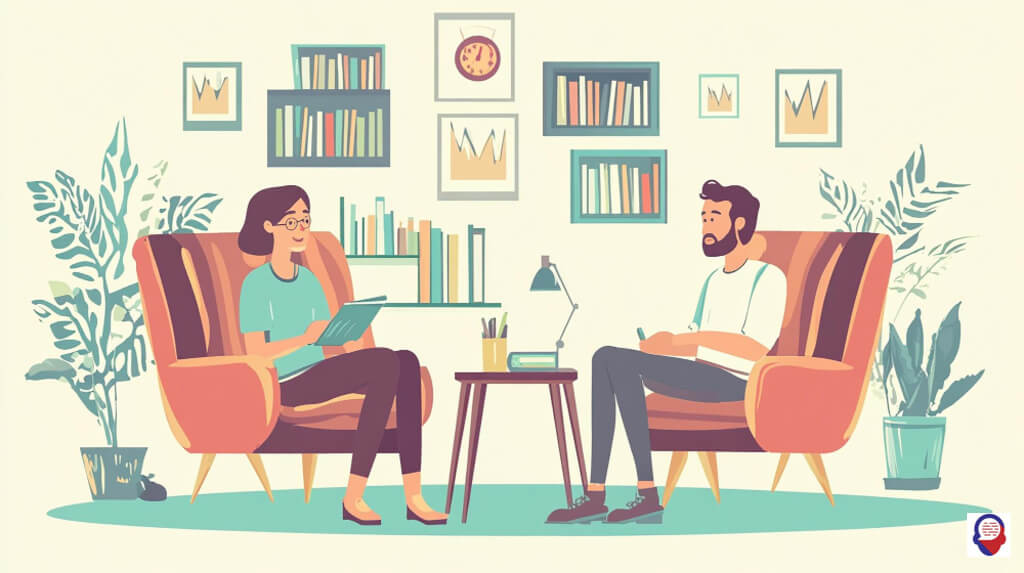
Your first PTSD counselling session is primarily focused on establishing safety, building a therapeutic relationship, and conducting an initial assessment. You can expect the therapist to create a calm and welcoming atmosphere where you are in control of what you share and when.
You will not be expected or forced to dive into the graphic details of your trauma on day one. The therapist’s first priority is to get to know you as a person. They will likely ask about what brought you to therapy, the symptoms you are experiencing, your personal history, and your goals for treatment. It is a session for you to ask questions and to get a feel for the therapist, to see if you feel comfortable, heard, and respected. This foundational session sets the stage for the healing work to come.

How do I find the right therapist for me?
Finding the right therapist involves looking for a professional who is not only qualified and experienced in treating trauma but also someone with whom you feel a genuine connection and sense of trust. This therapeutic rapport is one of the most significant predictors of successful treatment outcomes.
Start by looking for credentials. Seek out an accredited counsellor or psychotherapist who explicitly states that they specialise in PTSD or trauma. Don’t be afraid to ask about their specific training in evidence-based models like EMDR or TF-CBT. Most importantly, trust your gut. During an initial consultation, pay attention to how you feel. Do you feel seen and validated? Does the therapist listen without judgment? It is perfectly acceptable to speak with a few different therapists before you find the one who feels like the right fit for you.

What questions should I ask a potential therapist?
You should feel empowered to ask a potential therapist any questions that will help you determine if they are the right person to guide you on your healing journey. Key questions should focus on their expertise, their therapeutic approach, and how they ensure client safety.
Consider asking questions like: "What is your specific training and experience in treating PTSD?", "Which therapeutic models do you use, and why do you feel they are effective?", "What does a typical therapy session with you look like?", and "How do you work with clients to ensure they feel safe and not overwhelmed when discussing traumatic events?". Their answers should be clear, confident, and should make you feel more at ease, not less.

How Can I Support Myself During PTSD Therapy?
Supporting yourself during PTSD therapy is just as important as the work you do in the session, as it involves actively practicing self-compassion and building a toolkit of healthy coping strategies. The process of healing can be demanding, and it is normal to feel emotionally tired or vulnerable after sessions.
Be gentle with yourself. Acknowledge the courage it takes to face the past. Prioritize rest, nutrition, and gentle movement. It is also vital to build a strong support system outside of therapy. This might include trusted friends, family members, or a support group of others with similar experiences. Sharing your journey with people who care can combat the isolation that trauma so often creates.
What are some helpful grounding techniques?
Grounding techniques are simple, powerful exercises that anchor you in the present moment when you feel overwhelmed by flashbacks, anxiety, or distressing thoughts. They work by directing your focus away from your internal turmoil and onto the external world through your senses.
One of the most effective is the 5-4-3-2-1 method. Wherever you are, pause and silently name five things you can see, four things you can physically feel (like the chair beneath you or the texture of your sleeve), three things you can hear, two things you can smell, and one thing you can taste. Other techniques include holding a piece of ice, pressing your feet firmly into the floor and noticing the sensation, or focusing intently on the rhythm of your own breathing.

Why is a support system so important?

A strong support system is critically important because trauma thrives in secrecy and isolation, while healing happens in connection. Having trusted people in your life provides a powerful antidote to the shame and loneliness that often accompany PTSD.
Your support system offers validation, reminding you that your reactions are normal and that you are not alone in your struggle. These individuals can provide emotional comfort on difficult days and practical help when you need it. Whether it is friends, family, or a formal support group, connecting with others who believe in you and support your recovery journey reinforces your own strength and resilience, making the path of healing feel less solitary and more hopeful.
Frequently Asked Questions

How long does PTSD counselling take?
The length of PTSD counselling varies significantly from person to person. The duration depends on factors like the type and complexity of the trauma, whether it was a single event or chronic, your individual life circumstances, and the specific therapeutic approach used. Some people experience significant relief in as little as 12 to 16 weeks, while others with more complex or developmental trauma may benefit from longer-term therapy to fully address their needs.

Can PTSD be cured completely?
While the memory of a traumatic event cannot be erased, therapy can be so effective that a person’s symptoms are reduced to the point where they no longer meet the diagnostic criteria for PTSD. In this sense, recovery is absolutely possible. The goal is to transform the trauma from a debilitating, ever-present force into a manageable part of your past, allowing you to live a full, meaningful, and joyful life without being controlled by its effects.

Is medication necessary for treating PTSD?
Medication is not always necessary for treating PTSD, but it can be a very helpful tool for some individuals. Antidepressants, specifically SSRIs, are often prescribed to help manage severe secondary symptoms like depression, intense anxiety, or persistent insomnia. For many, the most effective approach is a combination of medication to stabilize mood and reduce overwhelming symptoms, used alongside trauma-focused counselling to process the root cause of the distress.

What if talking about the trauma makes it worse?
This is a very common and understandable fear, but a skilled trauma therapist is expertly trained to prevent this from happening. Therapy is not about throwing you into the deep end. The initial phase of treatment is always focused on building coping skills and grounding techniques. Your therapist will ensure you have a solid foundation of resources to manage difficult emotions before you ever begin to process the details of the trauma, ensuring the work is done at a pace that feels safe and manageable for you.
Healing from trauma is not about erasing the past, but about reclaiming your future. At Counselling-uk, we provide a safe, confidential, and professional place for you to find your footing again. Our accredited therapists are here to support you through all of life’s challenges, offering expert advice and compassionate help. You do not have to walk this path alone. Take the first, brave step towards healing today.

Research also suggests that early life experiences may increase the risk of developing PTSD later in life. People who experienced abuse or neglect during childhood are at greater risk for developing PTSD later on in life than those who did not experience abuse or neglect as children.
Other FactorsFamily therapy is sometimes recommended to help family members understand the individual’s experience and provide support for them during their recovery process. Family members may be encouraged to offer emotional support and validation while providing guidance in healthy coping strategies. Group therapy can also be beneficial as it provides an opportunity for individuals with PTSD to connect with others who have had similar experiences and share their stories in an understanding environment.