
Finding Calm: How Therapy Can Help You Manage Anger
Anger is a powerful, consuming emotion. It can feel like a wildfire, ripping through your life, scorching relationships, and leaving a trail of regret in its wake. You might feel misunderstood, constantly on edge, or trapped in a cycle of explosive outbursts followed by shame. It’s a lonely and exhausting way to live, but it doesn’t have to be your story. There is a path toward peace, a way to understand the fire within and learn to control it. That path is therapy. It’s not about extinguishing the emotion entirely, but about transforming it from a destructive force into a manageable signal, guiding you toward a calmer, more fulfilling life. This is your guide to understanding how professional support can help you reclaim control.

What Is Anger, Really?
Anger is a natural, fundamental human emotion, often triggered by feelings of being threatened, wronged, or frustrated. It serves as an internal alarm system, alerting you to injustice, boundary violations, or situations that are simply not right.

Is anger a normal emotion?
Yes, anger is an entirely normal and even healthy emotion. Like sadness, joy, or fear, it has a purpose. It can motivate you to solve problems, stand up for yourself, and drive positive change in your life and the world around you.
Feeling a flash of anger when someone cuts you off in traffic or when a project at work goes wrong is a standard human response. The emotion itself is not the problem. It is simply a piece of data, a signal from your brain and body that something needs your attention.

When does anger become a problem?
Anger becomes a problem when its frequency, intensity, and expression are out of proportion to the situation and cause harm to yourself or others. This is often referred to as problematic anger or anger issues, where the emotion controls you rather than you controlling your response to it.
If your anger is chronic, leading to constant irritability and frustration, it has likely crossed a line. When outbursts are explosive and difficult to contain, or when you find yourself resorting to aggression, shouting, or destructive behaviors, it’s a clear sign that the anger is no longer a healthy signal. Problematic anger disrupts your life, making it difficult to maintain relationships, succeed at work, or simply feel at peace.

What are the hidden costs of unchecked anger?
The hidden costs of unchecked anger are vast, impacting your mental, physical, and social wellbeing in profound ways. While the immediate aftermath of an outburst is obvious, the long-term corrosion it causes can be even more damaging.
On a personal level, chronic anger can lead to a state of constant stress, which is linked to serious health problems like high blood pressure, heart disease, and a weakened immune system. Mentally, it fuels anxiety and depression, trapping you in a cycle of negativity. Socially, it erodes trust and intimacy, pushing away the very people you care about most, from partners and children to friends and colleagues. Professionally, it can lead to job loss and a damaged reputation, limiting your opportunities for growth and success.

Why Do I Get So Angry?
You get so angry because of a complex interplay of past experiences, learned behaviors, current life stressors, and even your unique biology. Anger is rarely about the specific event that triggers an outburst, it is often a symptom of deeper, unresolved issues that need to be addressed.

Could my past be influencing my anger?
Yes, your past experiences are one of the most significant factors influencing how you experience and express anger today. If you grew up in an environment where explosive anger was a normal way to communicate, you may have learned that this is an acceptable way to behave.
Furthermore, unresolved trauma or past hurts can leave you in a state of heightened alert, making you more susceptible to feeling threatened or attacked. Your brain can become wired to perceive danger even when none exists, causing a powerful anger response to relatively minor triggers. This anger is often a protective shield, a defense mechanism your mind created long ago to keep you safe, even if it no longer serves you.

Are there biological factors at play?
Yes, biological and genetic factors can certainly play a role in your predisposition to anger. Some individuals may have a naturally more sensitive "fight or flight" response, meaning their bodies react more intensely to perceived threats.

Brain chemistry is also a key component. The levels of certain neurotransmitters, like serotonin, can influence mood regulation, and imbalances can make it more difficult to control impulses, including angry ones. There is also evidence to suggest a genetic link, meaning a tendency towards irritability or aggression can sometimes run in families. However, biology is not destiny, it is simply one piece of the puzzle that therapy can help you understand and manage.

How do stress and life circumstances contribute?
Your current stress levels and life circumstances are major contributors to problematic anger. When you are already feeling overwhelmed, exhausted, or stretched to your limit, your capacity to manage difficult emotions is significantly reduced.
Think of your emotional resilience as a container. Everyday stressors, like financial worries, job pressures, relationship conflicts, or health concerns, slowly fill that container. When it’s already near the brim, even a small, additional frustration can cause it to overflow in the form of an angry outburst. This is why you might find yourself snapping over something trivial, it wasn’t about the small thing, it was about the cumulative weight of everything else.

How Can Therapy Help With Anger Issues?
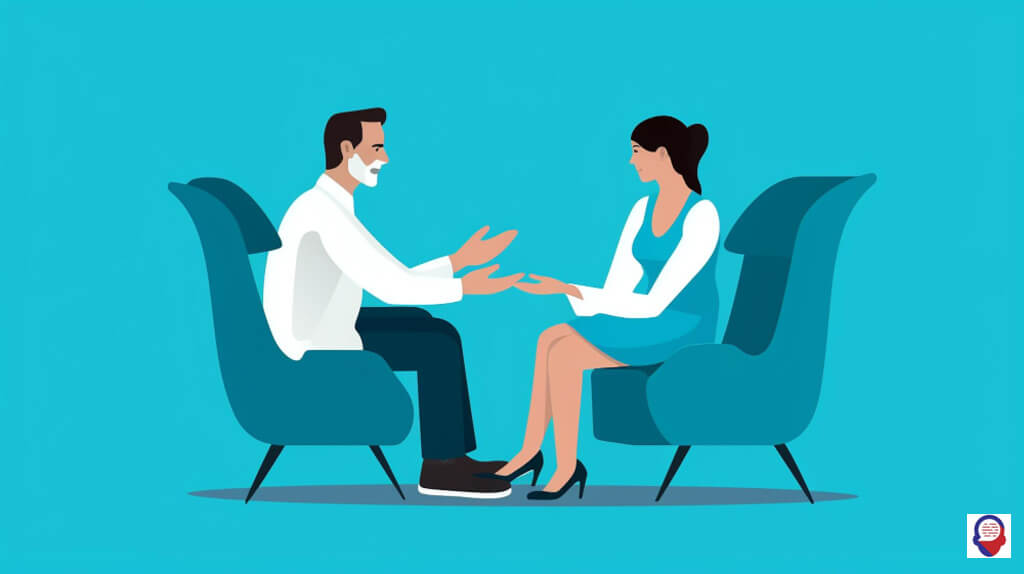
Therapy helps with anger issues by providing you with a safe space to explore the root causes of your anger and equipping you with practical tools to manage your reactions in a healthier way. It is a collaborative process aimed at understanding your triggers and fundamentally changing your relationship with this powerful emotion.
What is the main goal of anger therapy?
The primary goal of anger therapy is not to eliminate anger, but to help you understand, manage, and express it constructively. Suppressing anger is unhealthy and often leads to it emerging in uncontrolled ways later on. The objective is to reduce its emotional and physiological arousal and learn how to control your reactions.
Therapy helps you move from a state of being reactive to proactive. Instead of being at the mercy of your temper, you learn to recognize the early warning signs of rising anger. You develop the ability to pause, assess the situation clearly, and choose a response that aligns with your values and goals, rather than one driven by a momentary, intense feeling.

What skills will I learn in therapy?
In therapy, you will learn a range of practical, life-changing skills to manage anger. These skills are designed to empower you both in the heat of the moment and in your day-to-day life to prevent anger from building up in the first place.
You will learn to identify your personal anger triggers, the specific situations, thoughts, or feelings that set you off. You will be taught relaxation techniques, such as deep breathing or mindfulness, to calm your body’s stress response. Crucially, you will work on cognitive restructuring, which involves challenging and changing the unhelpful thought patterns that fuel your anger. You will also develop better communication and problem-solving skills, so you can express your needs and resolve conflicts without resorting to aggression.

How does talking about anger even help?
Talking about your anger in a therapeutic setting helps by externalizing the emotion and stripping it of its power over you. When anger is kept inside, it festers and grows, often feeling immense and insurmountable. Voicing it to a neutral, non-judgmental professional allows you to examine it from a distance.
This process, known as emotional processing, helps you connect the dots between your feelings, thoughts, and behaviors. A therapist can offer new perspectives, helping you see your triggers and reactions in a different light. This verbal exploration is not just venting, it is a structured investigation that leads to profound insights, self-awareness, and lasting change. It creates the space needed for healing and learning to begin.

What Types of Therapy Work Best for Anger?
Several types of therapy have proven highly effective for anger issues, with the best approach often depending on the individual’s specific needs and the underlying causes of their anger. Cognitive Behavioural Therapy (CBT) is one of the most common and well-researched methods used for anger management.

What is Cognitive Behavioural Therapy (CBT)?
Cognitive Behavioural Therapy, or CBT, is a structured, goal-oriented form of psychotherapy that focuses on the connection between your thoughts, feelings, and behaviours. The core principle of CBT is that our thoughts, not external events, are what ultimately determine our emotional reactions.

In the context of anger, a CBT therapist helps you identify the specific negative or distorted thought patterns that trigger and escalate your anger. For example, you might have a tendency to jump to conclusions, overgeneralize, or see situations in black-and-white terms. Through various exercises and "homework," you learn to challenge these thoughts and replace them with more balanced and realistic ones. This cognitive shift, in turn, changes your emotional response and allows for more controlled, constructive behaviour.

How does Psychodynamic Therapy address anger?
Psychodynamic therapy addresses anger by exploring its unconscious roots, which are often found in early life experiences and relationships. This approach operates on the belief that problematic anger in adulthood is frequently a symptom of unresolved conflicts or repressed emotions from the past.
Unlike the more structured CBT, psychodynamic therapy is more exploratory. Your therapist will help you delve into your personal history, looking for patterns and connections that might explain your current struggles with anger. The goal is to bring these unconscious drivers into your conscious awareness. By understanding the "why" behind your anger, you can begin to heal from old wounds and free yourself from repeating destructive patterns in your present life.

Are there other effective approaches?
Yes, beyond CBT and psychodynamic therapy, several other approaches are highly effective for managing anger. Each offers a unique set of tools and perspectives to help you gain control over your emotional responses.
Dialectical Behavior Therapy (DBT) is particularly useful for individuals who experience very intense emotions. It combines CBT techniques with mindfulness practices and teaches crucial skills in distress tolerance and emotional regulation. Mindfulness-Based Stress Reduction (MBSR) and other mindfulness therapies focus on cultivating a non-judgmental awareness of your thoughts and feelings as they arise, allowing you to observe anger without immediately acting on it. Family therapy may also be recommended if anger issues are deeply intertwined with relationship dynamics at home.

What Can I Expect From My First Therapy Session?
You can expect your first therapy session to be a gentle, introductory meeting focused on getting to know you and understanding what brought you to therapy. It is primarily a conversation where the therapist creates a safe and confidential space for you to begin sharing your story.

Will my therapist judge me for my anger?
No, a professional therapist will not judge you for your anger. Therapists are trained to be objective, empathetic, and non-judgmental. Their role is to understand your experience and help you, not to criticize or shame you.
They know that problematic anger is a symptom of underlying pain and struggle, not a character flaw. In fact, they will see your decision to seek help as a sign of strength and courage. The therapy room is one of the few places where you can be completely open about your most difficult feelings and behaviours without fear of condemnation.

What kinds of questions will I be asked?
In your first session, the therapist will likely ask a series of questions to get a comprehensive picture of your situation. These questions are designed to help them understand the nature of your anger and how it impacts your life.
You might be asked about when your anger issues started, what typically triggers you, and what an anger episode looks like for you. They may inquire about your personal history, your family background, your relationships, and your general health. They will also want to know what you have tried in the past to manage your anger and what you hope to achieve through therapy. These questions are the foundation for building an effective, personalized treatment plan.

How do I know if the therapist is a good fit?
You will know if a therapist is a good fit based on how you feel during and after the session. The most critical factor is the therapeutic relationship, you should feel a sense of safety, trust, and connection.
Ask yourself if you feel heard and understood by the therapist. Do they seem genuinely empathetic to your struggle? Do you feel comfortable being open and honest with them? A good therapist will be someone you respect and who makes you feel respected in return. It is perfectly okay to "shop around" and have initial consultations with a few different therapists to find the one who feels right for you. This connection is the bedrock of successful therapy.

How Can I Make the Most of My Therapy Journey?

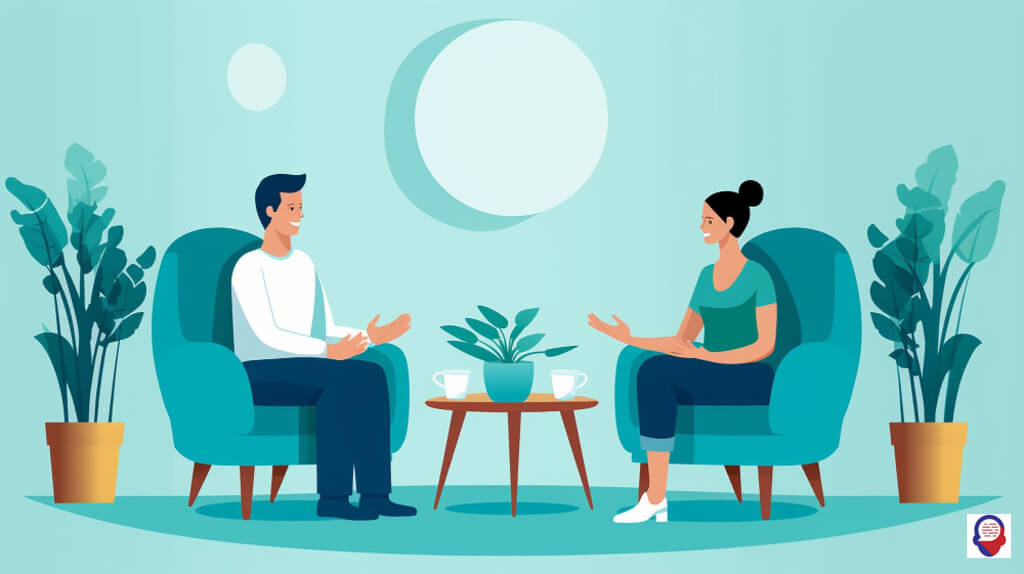
You can make the most of your therapy journey by actively participating in the process, being open and honest with your therapist, and consistently applying what you learn in your daily life. Therapy is not a passive experience, your commitment and effort are essential for meaningful change.
What should I do between sessions?
What you do between sessions is just as important as the work you do in the therapy room. Your therapist will likely give you "homework," which is a crucial part of the process. This is your opportunity to practice and integrate new skills in the real world.
This might involve tracking your anger triggers in a journal, practicing relaxation techniques when you start to feel stressed, or consciously challenging negative thoughts as they arise. Consistently engaging in these practices helps to build new neural pathways in your brain, making healthy responses more automatic over time. The more you practice, the faster you will progress.